

40GP FCL Tracking: Solar Panels from China to Denmark
Shipping large volumes of solar panels from China to Denmark requires meticulous planning and reliable execution. Specifically, managing 40GP FCL tracking for solar panels from China to Denmark is a critical component of a successful supply chain. This comprehensive guide, brought to you by China Top Freight, will explore the intricacies of this process, offering insights into optimizing your shipments and ensuring timely delivery. Therefore, understanding each step is paramount for importers aiming for efficiency and cost-effectiveness.
Understanding 40GP FCL Shipping for Solar Panels
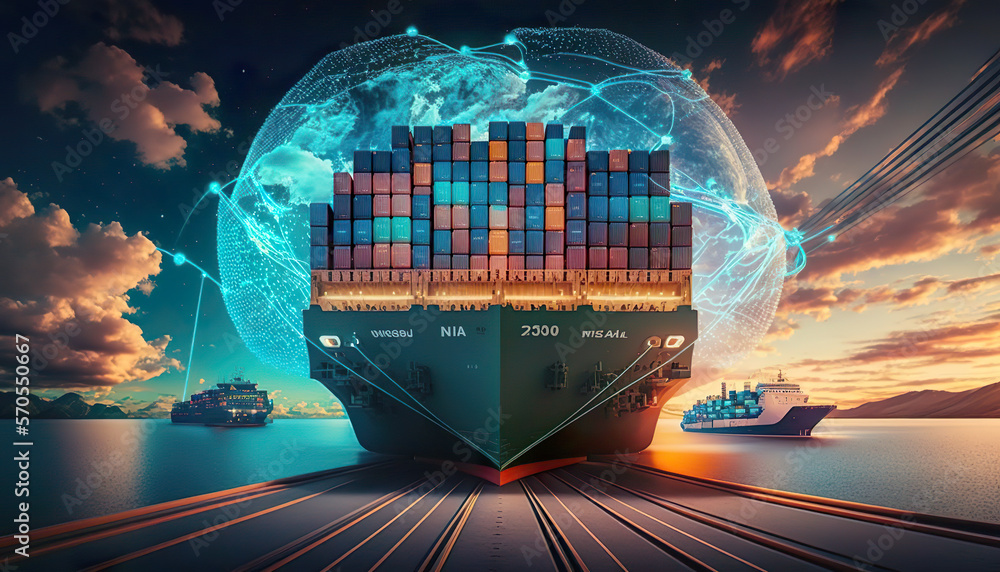
A 40GP FCL, or 40-foot General Purpose Full Container Load, represents a standard shipping container exclusively used by one shipper. This method is particularly advantageous for businesses importing large volumes of solar panels from China to Denmark. Essentially, it offers dedicated space, minimizing handling and potential damage to sensitive cargo.
Choosing FCL over Less than Container Load (LCL) provides significant benefits, especially when dealing with high-value, fragile items like solar panels. For instance, FCL shipments often experience faster transit times because they are not subject to consolidation or deconsolidation delays. Moreover, the security of your goods is enhanced as the container remains sealed from origin to destination.
Furthermore, utilizing sea freight for these large shipments is typically the most cost-effective solution. This approach allows for greater control over the loading and unloading process, which is crucial for protecting delicate solar equipment. Consequently, FCL shipping ensures your solar panels arrive in optimal condition, ready for distribution or installation.
The Journey: Key Stages of 40GP FCL Tracking from China to Denmark
The shipping process for 40GP FCL tracking for solar panels from China to Denmark involves several critical stages, each requiring careful management. Initially, the journey begins with booking your container and preparing all necessary export documentation. This foundational step ensures a smooth transition through the origin port.
Subsequently, the solar panels are loaded into the container at the factory or warehouse and transported to the port of loading in China. Here, the container undergoes export customs clearance before being loaded onto the vessel. The efficiency of this stage significantly impacts the overall shipping schedule.
During ocean transit, the container travels across international waters, typically heading towards major European hubs like Hamburg or Rotterdam, then onward to Denmark. Upon arrival at the port of discharge in Denmark, the container is offloaded and proceeds through import customs clearance. Finally, the panels are delivered to your specified destination, often as part of a comprehensive door-to-door delivery solar panels service. This entire process highlights the importance of meticulous planning and coordination.
Real-Time Tracking and Visibility for Your Solar Panel Shipments
In today’s fast-paced global market, real-time tracking is indispensable for managing international shipments, especially for high-value cargo like solar panels. Effective container tracking 40GP FCL provides transparency throughout the entire logistics chain. This visibility allows importers to monitor their goods, anticipate arrival times, and proactively address any potential delays.
Modern tracking systems leverage various technologies, including satellite communication, GPS, and Automatic Identification System (AIS) for vessels. Consequently, these tools offer precise location data for your 40GP container as it moves from China to Denmark. This means you can get updates on vessel position, estimated time of arrival (ETA), and even potential detours.
The benefits of real-time tracking container shipments extend beyond mere location updates. It empowers businesses to optimize their inventory management, streamline their internal operations, and communicate accurate delivery schedules to their customers. Ultimately, this level of visibility reduces anxiety and enhances overall supply chain efficiency, particularly when dealing with large volumes of solar panels.
Navigating Customs and Documentation for Solar Panels in Denmark
Successful import of solar panels into Denmark hinges on meticulous customs clearance and accurate documentation. Indeed, understanding Danish import regulations for solar panels is crucial to avoid costly delays and penalties. Importers must ensure all paperwork is complete and compliant with both Chinese export and Danish import requirements.
Key documents typically include the Commercial Invoice, Packing List, Bill of Lading (B/L), Certificate of Origin, and potentially a conformity declaration (CE marking). Furthermore, duties and taxes, including VAT, must be correctly calculated and paid. Engaging a professional customs brokerage service is highly recommended to navigate these complexities seamlessly.
Failing to provide correct documentation or adhering to specific import regulations for solar panels can lead to significant disruptions. For example, shipments might be held at the port, incurring demurrage and detention charges, thereby increasing overall solar panel shipping costs China Denmark. Therefore, proactive preparation and expert guidance are invaluable.
| Document | Purpose | Required By |
|---|---|---|
| Commercial Invoice | Details goods, value, seller, buyer | Customs, Buyer |
| Packing List | Details cargo content, weight, dimensions | Customs, Carrier, Buyer |
| Bill of Lading (B/L) | Contract of carriage, title to goods | Carrier, Buyer |
| Certificate of Origin | Confirms country of manufacture (China) | Customs, Buyer |
| CE Declaration of Conformity | Confirms compliance with EU standards | Danish Authorities |

Optimizing Shipping Costs and Transit Times
Optimizing solar panel shipping costs China Denmark involves a comprehensive understanding of various influencing factors. Freight rates are subject to constant fluctuation due to fuel prices, vessel capacity, peak seasons, and geopolitical events. Therefore, strategic planning is essential to secure competitive rates and manage your budget effectively.
Moreover, transit times for solar panels can vary significantly based on the chosen carrier, specific routing, and potential port congestion. While direct routes are faster, they might be more expensive. Conversely, transshipment routes, though potentially longer, can sometimes offer cost savings. Balancing these elements is key to efficient logistics.
To mitigate risks and optimize both cost and time, consider booking shipments well in advance, especially during peak seasons like Chinese New Year or the Q3 holiday rush. Additionally, ensuring accurate cargo handling and proper packaging minimizes the risk of damage, which could otherwise lead to unforeseen costs. Effective managing logistics China to Denmark ultimately hinges on proactive decision-making and strong partnerships.
Case Studies: Successful 40GP FCL Shipments to Denmark
Examining real-world scenarios provides valuable insights into the practicalities of 40GP FCL tracking for solar panels from China to Denmark. These case studies highlight common challenges and successful strategies employed by importers.
Case Study 1: Large-Scale Solar Farm Project
This project involved a significant import of solar panels for a new solar farm installation in Jutland. The client prioritized cost-effectiveness and reliable delivery within a specific project timeline, making 40GP FCL sea freight the ideal choice. The forwarder managed end-to-end logistics, including customs and final delivery.
| Detail | Description |
|---|---|
| Route | Shanghai, China -> Aarhus, Denmark |
| Cargo | Monocrystalline Solar Panels, 65 CBM, 12,000 kg |
| Container | Two 40GP FCL |
| Shipping Details | Carrier: COSCO, Port of Loading: Shanghai, Port of Discharge: Aarhus, Route Type: Transshipment via Hamburg |
| Cost Breakdown (Estimated Q3 2024) | Ocean Freight: $3,200 x 2 = $6,400, Origin Charges: $450 x 2 = $900, Destination Charges: $600 x 2 = $1,200, Customs & Duties: $1,800, Total Landed Cost: $10,300 |
| Timeline | Booking to Loading: 7 days, Sea Transit: 32 days, Customs Clearance: 3 days, Total Door-to-Door: 42 days |
| Key Insight | Early booking during a stable market period secured favorable rates, and proactive customs management prevented delays. |

Case Study 2: Distributed Rooftop Solar Systems
A Danish distributor regularly imports solar panels for residential and commercial rooftop installations. For this particular shipment, the focus was on maintaining a consistent supply chain with predictable transit times. The use of a single 40GP FCL container streamlined operations and minimized individual unit costs.
| Detail | Description |
|---|---|
| Route | Ningbo, China -> Copenhagen, Denmark |
| Cargo | Flexible Solar Panels, 60 CBM, 10,500 kg |
| Container | One 40GP FCL |
| Shipping Details | Carrier: Maersk, Port of Loading: Ningbo, Port of Discharge: Copenhagen, Route Type: Direct (limited stops) |
| Cost Breakdown (Estimated Q4 2024) | Ocean Freight: $3,800, Origin Charges: $500, Destination Charges: $700, Customs & Duties: $1,500, Total Landed Cost: $6,500 |
| Timeline | Booking to Loading: 5 days, Sea Transit: 28 days, Customs Clearance: 2 days, Total Door-to-Door: 37 days |
| Key Insight | Leveraging a direct service reduced transit time, which was critical for meeting tight installation schedules. However, Q4 peak season rates were slightly higher. |
Case Study 3: Emergency Replacement Order
This scenario involved an urgent replacement order for a damaged batch of solar panels. While speed was a factor, the volume still necessitated an FCL shipment for cost-efficiency. The challenge was to expedite the process as much as possible within sea freight constraints. The forwarder utilized their network to secure immediate container availability.
| Detail | Description |
|---|---|
| Route | Shenzhen, China -> Esbjerg, Denmark |
| Cargo | Bifacial Solar Panels, 58 CBM, 11,000 kg |
| Container | One 40GP FCL |
| Shipping Details | Carrier: MSC, Port of Loading: Shenzhen, Port of Discharge: Esbjerg, Route Type: Transshipment via Rotterdam |
| Cost Breakdown (Estimated Q1 2025) | Ocean Freight: $4,200, Origin Charges: $550, Destination Charges: $750, Customs & Duties: $1,600, Total Landed Cost: $7,100 |
| Timeline | Booking to Loading: 4 days, Sea Transit: 35 days, Customs Clearance: 4 days, Total Door-to-Door: 45 days |
| Key Insight | Despite the urgency, prioritizing FCL maintained cost control. However, port congestion at Rotterdam caused a slight delay in transshipment, adding a few days to the total transit time. |
| Note | Freight rates are subject to change based on fuel costs, carrier capacity, and seasonal demand. Contact us for a current quote tailored to your specific shipment. |
How Does 40GP FCL Sea Freight Compare to Other Shipping Options?
While 40GP FCL sea freight is often the preferred method for solar panels from China to Denmark, it is important to consider alternative shipping solutions. Each method offers distinct advantages and disadvantages concerning cost, speed, and cargo suitability. Evaluating these options helps in making informed logistics decisions.
For instance, air freight provides unparalleled speed, which is critical for urgent or time-sensitive shipments. However, the cost is substantially higher, making it less viable for large volumes of heavy goods like solar panels. Conversely, LCL (Less than Container Load) sea freight is an option for smaller shipments that do not fill an entire 40GP container. However, LCL often involves more handling and potentially longer transit times due to consolidation processes.
Rail freight, while a robust option for inner-European routes, is less direct for door-to-door China to Denmark shipments for solar panels. Nevertheless, hybrid solutions, such as sea-rail combinations, can sometimes offer a balance of cost and speed for certain inland destinations. Market data suggests that for the sheer volume of solar panels, FCL sea freight remains the most balanced option considering solar panel shipping costs China Denmark and transit times.
| Shipping Method | Cost Range (40GP equivalent) | Transit Time (China-Denmark) | Best For | Limitations |
|---|---|---|---|---|
| 40GP FCL Sea Freight | $3,000 – $4,500 | 28 – 40 days | Large volumes, cost-effectiveness, heavy/bulky cargo | Slower transit, potential port congestion |
| LCL Sea Freight | $80 – $120 per CBM | 35 – 50 days | Smaller shipments (under 15 CBM), flexible volumes | More handling, longer transit, higher per-unit cost than FCL |
| Air Freight | $15,000 – $25,000 (estimated) | 5 – 10 days | Urgent, high-value, low-volume shipments | Extremely high cost, size/weight restrictions |
| Sea-Rail (Hybrid) | $4,500 – $6,000 | 25 – 35 days | Specific inland destinations, balance of cost/speed | Multiple transshipment points, complex coordination |
Which Option Should You Choose? A Decision Framework
Selecting the optimal shipping method for your solar panels from China to Denmark depends on your specific business priorities. Therefore, a clear decision framework is essential. Firstly, if budget is your primary concern, 40GP FCL sea freight is almost always the most economical choice for large volumes. This method minimizes per-unit shipping costs, which is crucial for competitive pricing of solar panels.
Secondly, if speed is paramount, perhaps for an urgent project deadline or a critical replacement, then air freight is the undisputed winner. However, be prepared for a significantly higher investment. Thirdly, cargo type considerations also play a role; for fragile items like solar panels, FCL provides a dedicated, less-handled environment, reducing the risk of damage.
Lastly, volume thresholds are key. For shipments exceeding 15-20 CBM, a 40GP FCL container typically becomes more cost-effective than LCL. Conversely, for smaller quantities, LCL might be more suitable, despite its slightly longer transit time. Ultimately, aligning your logistics strategy with your business goals ensures the most efficient and cost-effective delivery of your solar panels.
Choosing a Reliable Freight Forwarder for Your Solar Panels
Partnering with an experienced and reliable freight forwarder is paramount for successful 40GP FCL tracking for solar panels from China to Denmark. A knowledgeable forwarder understands the nuances of international shipping, including carrier selection, route optimization, and customs regulations. Their expertise minimizes risks and streamlines the entire process.
Moreover, a good freight forwarder offers comprehensive services beyond just transport, such as cargo insurance, warehousing, and local distribution. They provide crucial support in managing logistics China to Denmark, ensuring your solar panels reach their destination safely and on schedule. This partnership becomes an extension of your own supply chain management.
Ultimately, choosing a forwarder with a proven track record in handling sensitive, high-value cargo like solar panels provides peace of mind. They can offer real-time tracking updates, proactive communication, and solutions to unexpected challenges, thereby safeguarding your investment and optimizing your supply chain solar panels.
Seamless Solar Panel Imports from China to Denmark
In conclusion, mastering 40GP FCL tracking for solar panels from China to Denmark is essential for businesses seeking efficiency and reliability. By understanding the intricacies of FCL shipping, leveraging real-time tracking, navigating customs procedures, and optimizing costs, importers can significantly enhance their supply chain. Partnering with a trusted freight forwarder further ensures a smooth and successful delivery process.
Indeed, the journey of solar panels from Chinese factories to Danish rooftops requires a strategic approach. With careful planning and expert support, you can confidently manage your logistics, ensuring your valuable cargo arrives safely and on time. Ultimately, this leads to greater business success and contributes to a sustainable future.
Need a tailored shipping solution?
Ready to streamline your solar panel imports from China to Denmark? Contact us today for a personalized quote and expert guidance on 40GP FCL tracking for solar panels. We are here to ensure your shipments are efficient, cost-effective, and hassle-free.