

40HQ FCL Tracking for Machinery: China to UK Shipping Guide
Transporting heavy machinery from China to the UK demands precision, efficiency, and robust tracking capabilities. Navigating international logistics can be complex, therefore understanding the nuances of 40HQ FCL tracking for machinery from China to UK is crucial. China Top Freight specializes in streamlining this intricate process, ensuring your valuable cargo arrives safely and on schedule.

Understanding 40HQ FCL Shipping for Machinery to the UK
When shipping large or high-value machinery from China to the UK, Full Container Load (FCL) services, particularly using a 40HQ (40-foot High Cube) container, are frequently the most suitable option. This dedicated container ensures your machinery is not consolidated with other cargo, thus minimizing handling and potential damage. Furthermore, it offers ample space for bulky or irregularly shaped items.
Choosing FCL provides several benefits for machinery transport. It offers enhanced security and protection for your goods, as the container is sealed at the origin and typically remains unopened until it reaches its final destination. Moreover, it often results in faster transit times compared to Less than Container Load (LCL) shipments, which require additional time for consolidation and deconsolidation processes.
The Critical Role of 40HQ FCL Tracking for Machinery from China to UK
Real-time tracking is indispensable for managing international machinery shipments. It provides shippers with continuous updates on their cargo’s location and status, offering unparalleled transparency throughout the entire journey. This visibility is vital for effective supply chain management and proactive decision-making.
Effective tracking mitigates risks associated with potential delays or unforeseen disruptions. Knowing precisely where your 40HQ FCL is allows you to anticipate arrival times, plan for customs clearance, and schedule onward transportation efficiently. Consequently, this prevents costly downtime and keeps your projects on schedule.
Key Steps in Shipping Machinery via 40HQ FCL from China to UK
Successfully shipping machinery requires meticulous planning and execution. From initial documentation to final delivery, every stage needs careful attention to detail. Therefore, partnering with an experienced freight forwarder is essential to navigate these complexities.
Initially, gather all necessary documentation, including commercial invoices, packing lists, and certificates of origin. Additionally, ensure your machinery complies with UK import regulations, which may require specific certifications or inspections. A thorough understanding of these requirements prevents delays at customs.
Choosing the Right Freight Forwarder
Selecting a reputable freight forwarder with expertise in shipping heavy machinery to the UK is paramount. They should possess a strong network in both China and the UK, offering comprehensive services from origin pickup to destination delivery. Their experience with 40HQ FCL tracking for machinery from China to UK is a key indicator of reliability.
Loading and Port Operations
Proper loading of machinery into a 40HQ container is critical to prevent damage during transit. This often involves specialized equipment and techniques to secure the cargo. At the port of loading, your freight forwarder manages all necessary export declarations and ensures the container is dispatched efficiently.
Customs Clearance in the UK
Upon arrival in the UK, your machinery must undergo customs clearance. This process involves submitting accurate documentation, paying applicable duties and taxes, and complying with all import regulations. An experienced customs brokerage service can significantly expedite this stage, minimizing potential delays and ensuring smooth entry.
How Does 40HQ FCL Compare to Other Shipping Options?
Deciding on the optimal shipping method for your machinery from China to the UK involves weighing various factors, including cost, transit time, and cargo characteristics. While 40HQ FCL is ideal for large, high-value machinery, other options might suit different needs. Consequently, understanding these alternatives is crucial for informed decision-making.
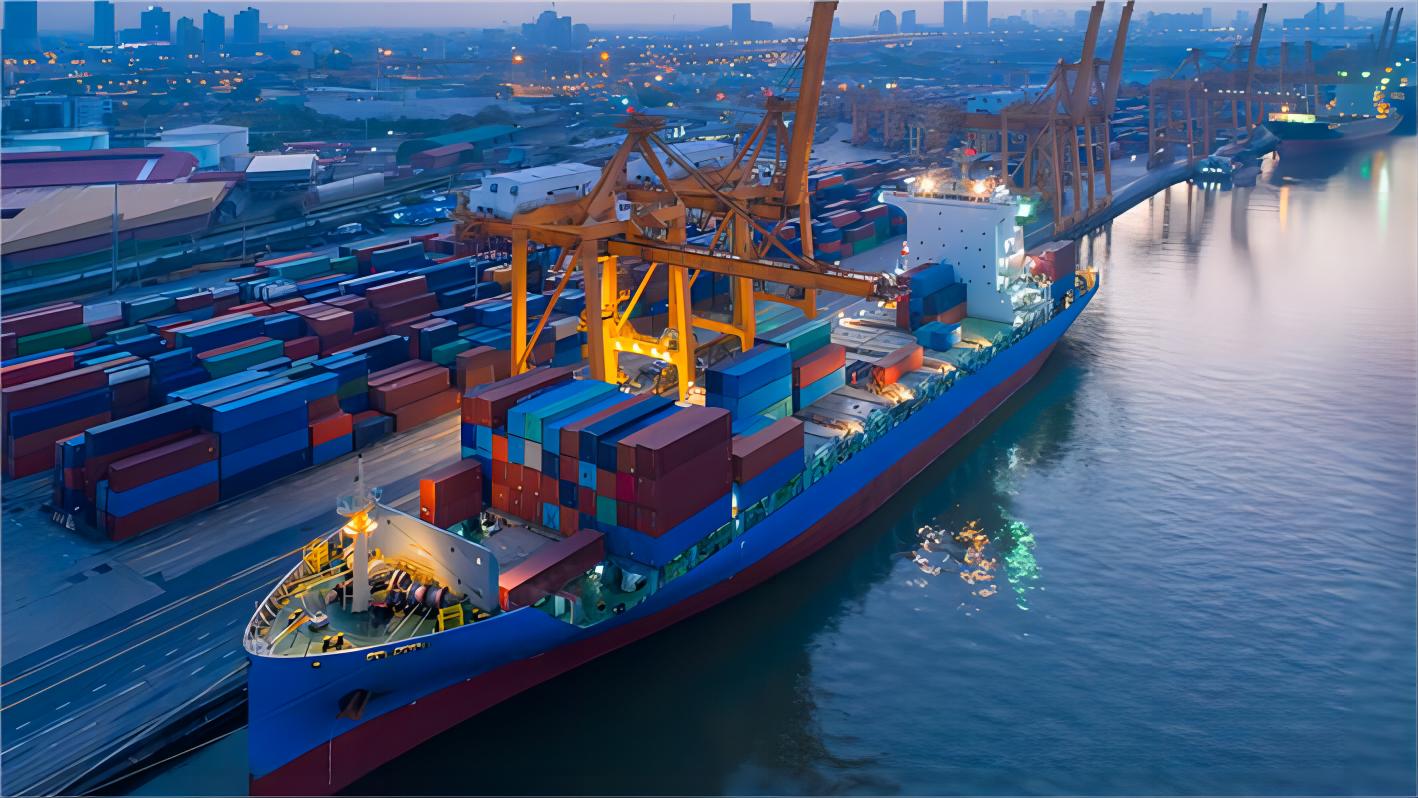
For instance, smaller machinery or less time-sensitive goods might consider LCL, whereas urgent shipments might justify the higher cost of air freight. Below is a comparison of viable shipping methods from China to the UK, helping you evaluate the best fit for your specific requirements.
| Shipping Method | Cost Range (40HQ equivalent) | Transit Time | Best For | Limitations |
|---|---|---|---|---|
| Sea Freight (40HQ FCL) | $3,500 – $4,500 | 30 – 38 days | Large, heavy, high-volume machinery; cost-effective | Longer transit times; port congestion risks |
| Sea Freight (LCL) | $50 – $80/CBM (under 15 CBM) | 35 – 45 days | Smaller machinery, lower volume; budget-friendly | Longer transit due to consolidation; more handling |
| Air Freight | $15,000 – $25,000 (equivalent volume) | 5 – 7 days | Urgent, high-value, lightweight machinery; time-critical | Very high cost; volumetric weight restrictions |
| Rail Freight (to Europe, then onward) | $8,000 – $12,000 (to major European hub) | 18 – 25 days (to Europe); additional 5-10 days to UK | Time-sensitive, heavy cargo; faster than sea, cheaper than air | Not direct to UK (requires transshipment); limited capacity on certain routes |
Which Option Should You Choose?
The ideal shipping method ultimately depends on your specific priorities. If your primary concern is budget, sea freight via 40HQ FCL remains the most economical choice for machinery. However, if speed is paramount, air freight offers the quickest delivery, albeit at a significantly higher cost.
For a balance between speed and cost, or for destinations within mainland Europe before onward UK transit, rail freight presents a compelling alternative. Additionally, consider hybrid solutions, such as sea-rail combinations, to optimize both transit time and freight rates. Always assess your cargo type, volume, and urgency before making a final decision.
Navigating Costs and Transit Times for China-UK Machinery Shipments
Understanding the factors that influence freight rates and transit times is crucial for effective budget planning and scheduling. Several variables can impact the overall cost of shipping your 40HQ FCL machinery from China to the UK, thus requiring careful consideration. Market data suggests rates fluctuate significantly.
As of Q1 2025, freight rates from China to Europe have largely stabilized after the 2024 Red Sea disruptions, but capacity management and fuel surcharges remain dynamic. Rates typically increase 15-25% during the August-October peak season. Always secure a current quote for accurate pricing.
Typical transit times for 40HQ FCL from major Chinese ports (e.g., Shanghai, Ningbo, Shenzhen) to UK ports (e.g., Felixstowe, Southampton, London Gateway) range from 30 to 38 days for direct routes. Transshipment via hubs like Singapore or Port Klang might add 5-7 days but can sometimes offer more competitive rates. Predictive tracking helps manage these timelines effectively.
Cost-Saving Strategies
To optimize shipping costs, consider booking well in advance, especially outside of peak seasons. Furthermore, consolidate multiple smaller machinery orders into a single 40HQ FCL shipment to maximize container utilization. Exploring different carriers and routes with your freight forwarder can also uncover more economical options.
For instance, direct routes often cost 10-15% more but save 5-7 days compared to transshipment routes. However, if time is less critical, transshipment can offer considerable savings. Working with a freight forwarder who offers door-to-door service can also provide cost predictability by consolidating various charges.
Real-World Scenarios: 40HQ FCL Machinery Shipments to the UK
Examining real-world examples helps illustrate the complexities and successful execution of 40HQ FCL tracking for machinery from China to UK. These case studies highlight the importance of detailed planning, robust tracking, and expert freight forwarding services.
The following scenarios reflect typical rates and transit times based on Q3 2024 to early 2025 market conditions. Note: Freight rates are subject to change based on fuel costs, carrier capacity, and seasonal demand. Contact us for a current quote tailored to your specific shipment.
Case Study 1: Heavy Industrial Press
| Detail | Description |
|---|---|
| Route | Shanghai, China -> Felixstowe, UK |
| Cargo | Industrial Hydraulic Press, 28 CBM, 22,000 kg |
| Container | 40HQ FCL |
| Shipping Details | Carrier: COSCO, Port of Loading: Shanghai, Port of Discharge: Felixstowe, Route Type: Direct |
| Cost Breakdown (estimated) | Ocean Freight: $4,100; Origin Charges: $450; Destination Charges: $550; Customs & Duties (est): $1,800; Total Landed Cost: $6,900 |
| Timeline | Booking to Loading: 5 days; Sea Transit: 32 days; Customs Clearance: 3 days; Total Door-to-Door: 40 days |
| Key Insight | Proactive communication and real-time 40HQ FCL tracking minimized delays, despite peak season congestion. Pre-clearance arrangements were crucial. |
Case Study 2: Agricultural Equipment Batch
| Detail | Description |
|---|---|
| Route | Qingdao, China -> Southampton, UK |
| Cargo | Batch of Tractors and Farm Implements, 55 CBM, 18,000 kg |
| Container | Two 40HQ FCLs |
| Shipping Details | Carrier: MSC, Port of Loading: Qingdao, Port of Discharge: Southampton, Route Type: Transshipment via Singapore |
| Cost Breakdown (estimated) | Ocean Freight (x2): $7,200; Origin Charges (x2): $800; Destination Charges (x2): $1,000; Customs & Duties (est): $2,500; Total Landed Cost: $11,500 |
| Timeline | Booking to Loading: 7 days; Sea Transit: 38 days; Customs Clearance: 4 days; Total Door-to-Door: 49 days |
| Key Insight | Choosing a transshipment route offered 10% cost savings per container, however added 5 days to transit. Effective tracking was vital to manage the longer journey. |
Case Study 3: Advanced Manufacturing Line
| Detail | Description |
|---|---|
| Route | Ningbo, China -> London Gateway, UK |
| Cargo | Modular Manufacturing Line, 60 CBM, 25,000 kg |
| Container | Two 40HQ FCLs |
| Shipping Details | Carrier: Maersk, Port of Loading: Ningbo, Port of Discharge: London Gateway, Route Type: Direct |
| Cost Breakdown (estimated) | Ocean Freight (x2): $8,600; Origin Charges (x2): $900; Destination Charges (x2): $1,100; Customs & Duties (est): $3,000; Total Landed Cost: $13,600 |
| Timeline | Booking to Loading: 6 days; Sea Transit: 30 days; Customs Clearance: 2 days; Total Door-to-Door: 38 days |
| Key Insight | High-value cargo necessitated premium direct service and comprehensive insurance. Seamless integration with express service for urgent spare parts minimized production downtime. |
Optimizing Your 40HQ FCL Tracking Experience
Modern logistics leverage advanced technology to enhance cargo visibility and control. Utilizing digital platforms for predictive tracking allows shippers to monitor their 40HQ FCL machinery from China to UK with unprecedented accuracy. This means anticipating potential bottlenecks and adjusting plans proactively.
Furthermore, integrating real-time data with your internal supply chain systems provides a holistic view of your inventory in transit. This level of insight is invaluable for optimizing production schedules, managing warehousing, and ensuring just-in-time delivery for high-value industrial machinery. Therefore, choose a forwarder with robust technological capabilities.
The Benefits of Door-to-Door Service
Opting for a door-to-door service simplifies the entire shipping process significantly. This comprehensive solution handles every aspect of the logistics chain, from pickup at the supplier’s factory in China to final delivery at your UK facility. It reduces administrative burden and streamlines coordination.
A single point of contact for all logistics queries enhances efficiency and accountability. This service is especially beneficial for complex machinery shipments, where multiple transfers and handling points need careful management. Ultimately, it provides peace of mind and allows you to focus on your core business operations.

UK Import Regulations and Customs for Machinery
Importing machinery into the UK requires strict adherence to specific regulations and customs procedures. Non-compliance can lead to significant delays, fines, and even seizure of goods. Consequently, preparing all necessary documentation accurately and in advance is paramount.
The UK operates under its own customs regime post-Brexit, therefore understanding the specific requirements for machinery is vital. This includes proper classification of goods using the Harmonized System (HS) codes, which determines applicable duties and taxes. Always consult with a UK customs expert or your freight forwarder.
Essential Documentation for Customs Brokerage
Key documents typically include the commercial invoice, packing list, bill of lading, and certificate of origin. For certain machinery, additional certifications related to safety standards (e.g., CE marking) or environmental compliance might be required. Your freight forwarder’s customs brokerage team can guide you through this complex landscape.
Moreover, proof of value for customs purposes and any relevant licenses or permits for specialized machinery are indispensable. Accurate and complete documentation is the cornerstone of smooth customs clearance, preventing unforeseen hold-ups and ensuring a timely delivery schedule.
Duties, Taxes, and Compliance
Import duties (tariffs) and Value Added Tax (VAT) are levied on most goods entering the UK. The specific rates depend on the machinery’s HS code and origin. Understanding these financial obligations beforehand helps in accurate budgeting and avoids unexpected costs upon arrival. Therefore, proper planning is essential for machinery import.
Furthermore, compliance with product safety regulations, technical standards, and environmental directives is critical. Your freight forwarder should ensure that your machinery meets all necessary UK standards, facilitating a seamless import process. This prevents costly non-compliance issues.
Partnering with a Reliable Freight Forwarder for Your China-UK Shipments
The success of your 40HQ FCL tracking for machinery from China to UK largely depends on the expertise of your chosen freight forwarding partner. A seasoned professional understands the intricacies of international shipping, offering invaluable guidance and support throughout the entire process. Their network and experience are critical for smooth operations.
They should provide comprehensive logistics solutions, from initial booking and cargo consolidation to customs clearance and final delivery. Moreover, a reliable partner offers transparent communication and proactive problem-solving, especially when dealing with the complexities of heavy machinery transport. This ensures peace of mind for your valuable assets.
Why Expertise Matters for Sea Freight
Specialized knowledge in sea freight is crucial for handling machinery. This includes understanding optimal container loading techniques, securing cargo properly, and navigating port procedures efficiently. An expert freight forwarder minimizes risks associated with ocean transit and ensures cargo integrity.
They can also advise on marine insurance options, providing an extra layer of protection for your high-value machinery. Their experience in managing various types of machinery shipments ensures that your specific cargo requirements are met with precision and care, from factory to installation site.
Considering Alternative Shipping Solutions
While sea freight is often the primary choice for machinery, a versatile freight forwarder can also offer alternatives like air freight for urgent components or rail freight to European hubs for onward transport. Having these options ensures flexibility in your supply chain strategy. This adaptability is particularly valuable for complex logistics trends.
Ultimately, a strong partnership with a knowledgeable freight forwarder ensures that your machinery arrives in the UK safely, efficiently, and cost-effectively. They become an extension of your team, dedicated to optimizing your international shipping operations. This collaboration is key to successful import/export.
Conclusion
Mastering 40HQ FCL tracking for machinery from China to UK is essential for any business importing heavy equipment. It demands a thorough understanding of logistics, customs, and effective tracking technologies. By prioritizing transparency, choosing the right shipping method, and partnering with an experienced freight forwarder, you can ensure a smooth, cost-effective, and timely delivery.
Ultimately, proactive planning and robust support are key to mitigating risks and optimizing your supply chain. We are committed to providing unparalleled service, helping you navigate the complexities of international machinery transport with confidence and control. Secure your next machinery shipment with reliable expertise.
Start Your Shipment
Ready to streamline your machinery shipments from China to the UK? Contact us today for a personalized quote and discover how our expert 40HQ FCL tracking services can benefit your business. Let us handle the complexities of international logistics for your valuable equipment.
Request Quote