

40HQ FCL Tracking for Solar Panels from China to New York: Your Complete Guide
Navigating the complexities of international shipping for high-value goods like solar panels demands precision and reliability. Specifically, managing China Top Freight for 40HQ FCL tracking for solar panels from China to New York is a critical undertaking for many businesses. This guide addresses the challenges of large-scale logistics, offering comprehensive insights and practical strategies to ensure your renewable energy components arrive safely and on schedule. We aim to demystify the process, providing clarity on everything from transit times to customs procedures.

Understanding 40HQ FCL Shipping for Solar Panels
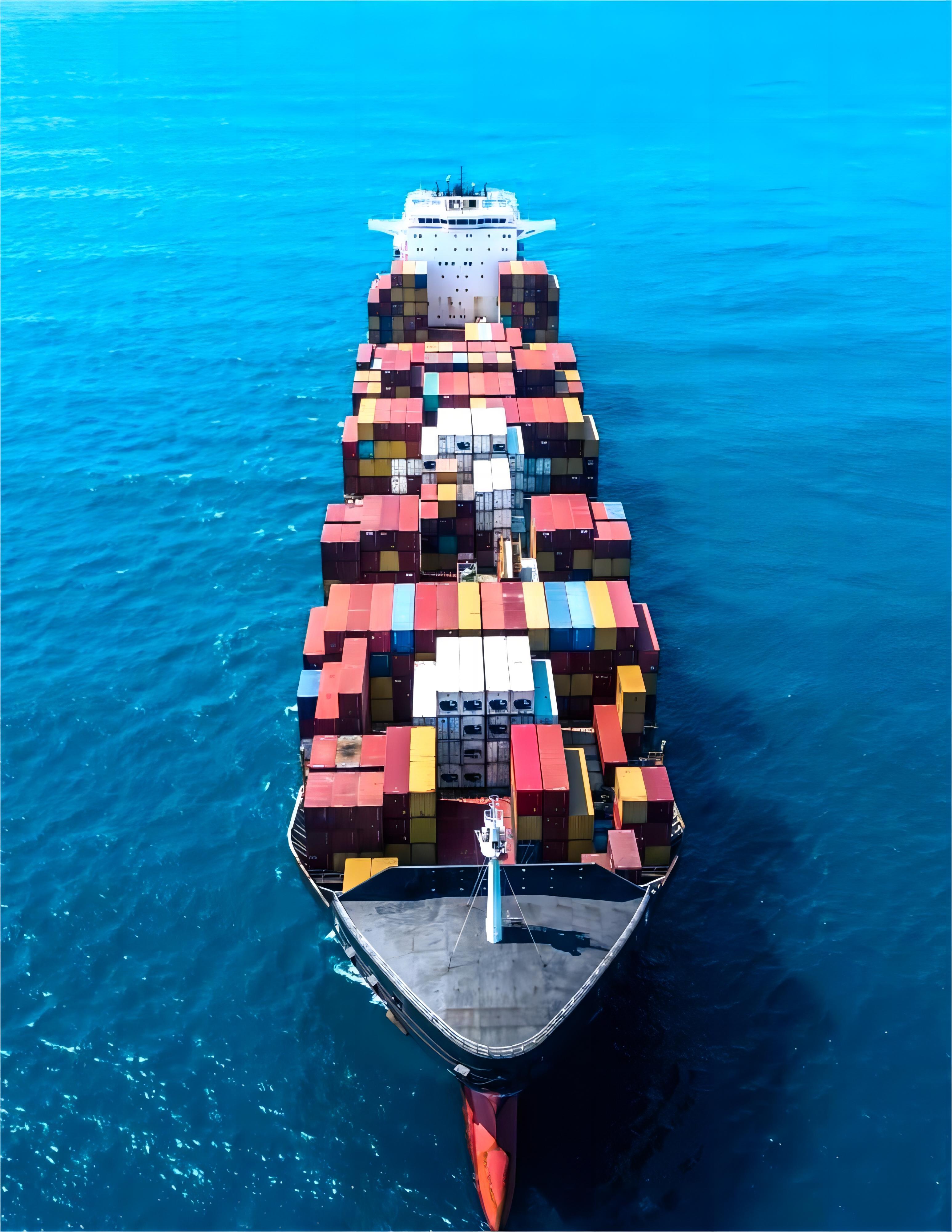
A 40HQ FCL, or 40-foot High Cube Full Container Load, represents a cost-effective and secure way to transport substantial volumes of goods. These containers are approximately 12.19 meters long, 2.35 meters wide, and 2.69 meters high internally, offering significant capacity for bulky items. For solar panels, which are often fragile and require careful handling, FCL shipping minimizes the risk of damage by dedicating the entire container to your cargo.
Furthermore, choosing FCL means your shipment is not consolidated with other goods, thereby reducing handling points and potential delays. This method is particularly advantageous for manufacturers and distributors dealing with large quantities of solar modules or photovoltaic systems. Consequently, it provides greater control over the shipping schedule and cargo integrity throughout the journey.
Why is Reliable Tracking Essential for Your Solar Panel Shipment?
Effective 40HQ FCL tracking for solar panels from China to New York offers invaluable peace of mind and operational efficiency. Real-time visibility allows businesses to monitor their cargo’s progress from the port of loading in China to its final destination in New York. Indeed, this transparency is crucial for managing inventory, planning installation schedules, and communicating effectively with clients.
Moreover, proactive tracking helps in identifying potential delays early, such as port congestion or unexpected route changes. This early detection enables prompt intervention and allows for contingency planning, minimizing disruptions to your supply chain. Ultimately, robust tracking capabilities are fundamental to modern logistics, safeguarding your investment in renewable energy technology.
The Journey: China to New York – What to Expect
The shipping route from major Chinese ports like Shanghai, Ningbo, or Shenzhen to New York typically involves a long ocean transit. Your 40HQ FCL container will travel across the Pacific Ocean, often passing through the Panama Canal, before reaching the East Coast of the United States. This journey is a significant logistical undertaking, demanding careful coordination.

Typically, sea transit times for this route range from 30 to 35 days, though this can vary based on the carrier, specific route, and prevailing weather conditions. Upon arrival at the Port of New York and New Jersey, your solar panels will undergo customs clearance and then be transported to their final destination. Therefore, understanding each phase is vital for successful delivery.
Decoding the Costs: What Influences Your 40HQ FCL Freight Bill?
Several factors contribute to the overall shipping costs for your 40HQ FCL of solar panels from China to New York. Foremost among these are the ocean freight rates, which fluctuate based on global demand, fuel prices, and carrier capacity. Seasonal peaks, such as before Chinese New Year or during Q3/Q4, often lead to higher rates.
Additionally, you will encounter origin charges, including terminal handling charges (THC), documentation fees, and drayage to the port in China. Destination charges in New York, such as port congestion fees, chassis rental, and local delivery, also add to the total landed cost. Furthermore, tariffs, duties, and customs brokerage fees are integral components of the financial outlay.
Effective cost management necessitates a clear understanding of these variables and working with an experienced freight forwarder. They can provide transparent quotes and help navigate the complexities of freight rates and surcharges. For large shipments, exploring various sea freight options is always recommended to find the most economical solution.
Note: Freight rates are subject to change based on fuel costs, carrier capacity, and seasonal demand. Contact us for a current quote tailored to your specific shipment. Based on Q3 2024 market rates.
Navigating Customs and Documentation for Solar Panel Imports
Importing solar panels into the United States requires meticulous attention to customs regulations and documentation. Key documents include the commercial invoice, packing list, bill of lading, and certificate of origin. Furthermore, specific import licenses or certifications related to renewable energy products might be necessary, ensuring compliance with US standards.
Understanding Harmonized System (HS) codes for solar panels is crucial for accurate tariff assessment and customs declaration. Incorrect classification can lead to delays, penalties, or even confiscation of goods. Therefore, partnering with a knowledgeable customs brokerage service is invaluable for streamlining this complex process and avoiding costly errors.
The US Customs and Border Protection (CBP) also enforces various trade agreements and anti-dumping duties, which can significantly impact the final cost of your solar panels. Staying informed about the latest import policies and potential tariffs is essential for successful import/export operations. This proactive approach helps mitigate risks and ensures smooth entry into the New York market.
How Does 40HQ FCL Shipping Compare to Other Options?
While 40HQ FCL shipping is ideal for large volumes of solar panels, other logistics solutions exist, each with distinct advantages and disadvantages. Understanding these alternatives helps in making informed decisions based on your specific needs regarding speed, cost, and cargo size. For instance, air freight offers speed but at a premium price.
Conversely, Less than Container Load (LCL) shipping can be more economical for smaller shipments, but it often involves longer transit times due to consolidation and deconsolidation processes. Therefore, evaluating these options against your priorities is critical for optimizing your supply chain. Consider the overall value proposition, not just the upfront cost.
| Shipping Method | Cost Range (40HQ) | Transit Time (China-NY) | Best For | Limitations |
|---|---|---|---|---|
| 40HQ FCL Sea Freight | $4,500 – $6,000 | 30-35 days | Large volumes, cost-efficiency, non-urgent | Slower, port congestion risk |
| LCL Sea Freight | $50-80/CBM | 35-45 days | Smaller shipments (<15 CBM), budget-conscious | Slower, more handling, potential delays |
| Air Freight | $15,000 – $25,000 | 5-7 days | Urgent, high-value, small volume components | Very high cost, limited capacity for large panels |
| Express Service | $100-200/kg | 2-5 days | Samples, critical spare parts, very urgent | Extremely high cost, small package only |

Optimizing Your Solar Panel Imports: Key Strategies and Decision Framework
Successful import of solar panels to New York hinges on strategic planning and execution. Firstly, consider consolidating orders from multiple suppliers into a single 40HQ FCL shipment to maximize container utilization and reduce per-unit shipping costs. This approach significantly enhances efficiency and lowers overall freight rates.
Secondly, engage a freight forwarder who specializes in renewable energy logistics and offers robust 40HQ FCL tracking for solar panels from China to New York. Their expertise in cargo handling, customs, and local delivery can prevent costly errors and delays. Furthermore, discuss options like door-to-door service for a seamless experience.
Which Option Should You Choose?
The optimal shipping strategy depends heavily on your specific business priorities. If budget is your primary concern, 40HQ FCL sea freight is almost always the most economical choice for solar panels. It offers the best balance of capacity and cost for bulk shipments.
However, if speed is paramount for urgent project deadlines or critical component replacement, air freight, despite its higher cost, becomes a viable option. For smaller, less time-sensitive consignments, LCL sea freight might be more suitable. Always assess the trade-offs between cost, speed, and reliability.
Cargo type also plays a role; delicate solar cells or specialized equipment might benefit from the reduced handling of FCL. Volume thresholds are key: generally, if your shipment exceeds 15 CBM, an FCL container becomes more cost-effective than LCL. Always request detailed quotes to compare scenarios.
Real-World Scenarios: 40HQ FCL Tracking Success Stories
Examining actual case studies provides valuable context for understanding the intricacies of 40HQ FCL tracking for solar panels from China to New York. These examples highlight how effective planning and diligent tracking lead to successful outcomes, even amidst logistical challenges.
Case Study 1: Large-Scale Residential Project Delivery
This case demonstrates the efficiency of FCL shipping for a significant order.
| Field | Detail |
|---|---|
| Route | Shanghai, China -> New York, USA |
| Cargo | 1,200 Monocrystalline Solar Panels, 60 CBM, 24,000 kg |
| Container | 40HQ FCL |
| Shipping Details | |
| – Carrier/Service | Major carrier (e.g., COSCO) |
| – Port of Loading | Shanghai |
| – Port of Discharge | Port of New York and New Jersey |
| – Route Type | Direct |
| Cost Breakdown | |
| – Ocean Freight | $5,200 |
| – Origin Charges (THC, documentation) | $650 |
| – Destination Charges | $900 |
| – Customs & Duties (estimated) | $1,500 |
| – Total Landed Cost | $8,250 |
| Timeline | |
| – Booking to Loading | 7 days |
| – Sea Transit | 32 days |
| – Customs Clearance | 3 days |
| – Total Door-to-Door | 45 days |
| Key Insight | Proactive communication with the freight forwarder and precise documentation ensured smooth customs clearance, avoiding delays for the residential installation project. |
Case Study 2: Expedited Component Supply for Commercial Installation
This scenario illustrates adapting to urgent needs while maintaining cost-effectiveness.
| Field | Detail |
|---|---|
| Route | Shenzhen, China -> New York, USA |
| Cargo | 800 Bifacial Solar Panels, 40 CBM, 16,000 kg |
| Container | 40HQ FCL |
| Shipping Details | |
| – Carrier/Service | Major carrier (e.g., Maersk) |
| – Port of Loading | Shenzhen |
| – Port of Discharge | Port of New York and New Jersey |
| – Route Type | Direct |
| Cost Breakdown | |
| – Ocean Freight | $5,500 |
| – Origin Charges (THC, documentation) | $700 |
| – Destination Charges | $950 |
| – Customs & Duties (estimated) | $1,200 |
| – Total Landed Cost | $8,350 |
| Timeline | |
| – Booking to Loading | 5 days |
| – Sea Transit | 30 days |
| – Customs Clearance | 4 days |
| – Total Door-to-Door | 42 days |
| Key Insight | Utilizing a carrier with a faster transit schedule and pre-clearing customs documentation shaved several days off the total delivery time, crucial for the commercial project. |
Case Study 3: Overcoming Peak Season Challenges
This example highlights navigating seasonal rate increases and port congestion.
| Field | Detail |
|---|---|
| Route | Ningbo, China -> New York, USA |
| Cargo | 1,000 Thin-Film Solar Panels, 50 CBM, 18,000 kg |
| Container | 40HQ FCL |
| Shipping Details | |
| – Carrier/Service | Major carrier (e.g., MSC) |
| – Port of Loading | Ningbo |
| – Port of Discharge | Port of New York and New Jersey |
| – Route Type | Transshipment via Busan |
| Cost Breakdown | |
| – Ocean Freight | $5,800 (Q4 peak season rate) |
| – Origin Charges (THC, documentation) | $680 |
| – Destination Charges | $1,050 |
| – Customs & Duties (estimated) | $1,400 |
| – Total Landed Cost | $8,930 |
| Timeline | |
| – Booking to Loading | 8 days |
| – Sea Transit | 35 days |
| – Customs Clearance | 5 days |
| – Total Door-to-Door | 50 days |
| Key Insight | Booking well in advance to secure space during Q4 peak season and having a flexible delivery schedule helped manage higher rates and potential port delays. |
Conclusion: Powering Your Solar Supply Chain with Confidence
In conclusion, mastering 40HQ FCL tracking for solar panels from China to New York is paramount for any business in the renewable energy sector. From understanding the nuances of sea freight to navigating complex customs procedures, each step requires careful planning and expert execution. Therefore, a reliable freight forwarder is not just a service provider but a strategic partner.
By leveraging advanced tracking systems and comprehensive logistics solutions, you can significantly enhance the efficiency and predictability of your supply chain. Ultimately, ensuring the timely and secure delivery of your solar panels supports your business growth and contributes to a sustainable future. We are committed to providing the clarity and control you need for every shipment.
Get Your Shipping Quote Today
Ready to streamline your solar panel imports from China to New York? Do not let complex logistics hinder your renewable energy projects. Contact our experts today for a personalized quote and discover how our robust 40HQ FCL tracking for solar panels can benefit your business. Let us handle the intricacies while you focus on your core operations.
Request Quote