

- By carlie tj
- August 11, 2025
- Logistics Guide
Mastering shipping from China to Australia is critical for businesses importing goods across the Asia‑Pacific corridor. Therefore, choosing the right transport mix—sea for volume, air for speed—can directly impact both cost and delivery performance. In fact, strategic mode selection often determines the success of cross-border logistic.
1.What Is shipping from China to Australia
Shipping from China to Australia typically encompasses not only export coordination in China, but also ocean or air carriage, customs clearance, and final delivery to ports or inland destinations across Australia.
In addition, it involves selecting the most efficient shipping route, managing all necessary documentation, and overseeing cargo handling at both origin and destination points. Moreover, close coordination with carriers and customs officials ensures a smoother logistics process.

📌 2. Transportation Overview
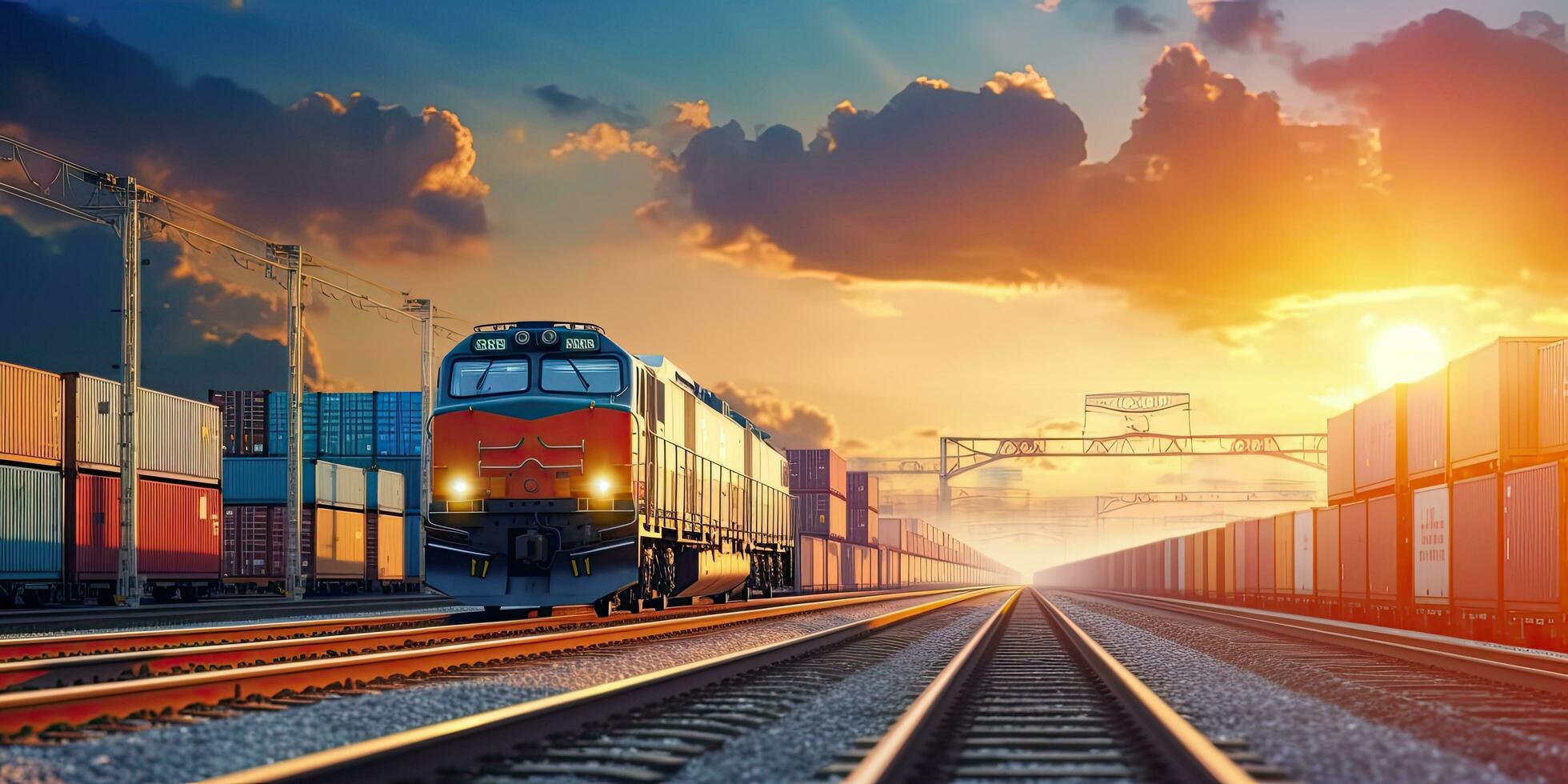
- Ocean Freight (FCL & LCL):Full container loads or shared containers offer flexible sea transport options. Transit time ranges from 20 to 40 days depending on route and port congestion. Sea freight remains cost-effective for bulk shipments.
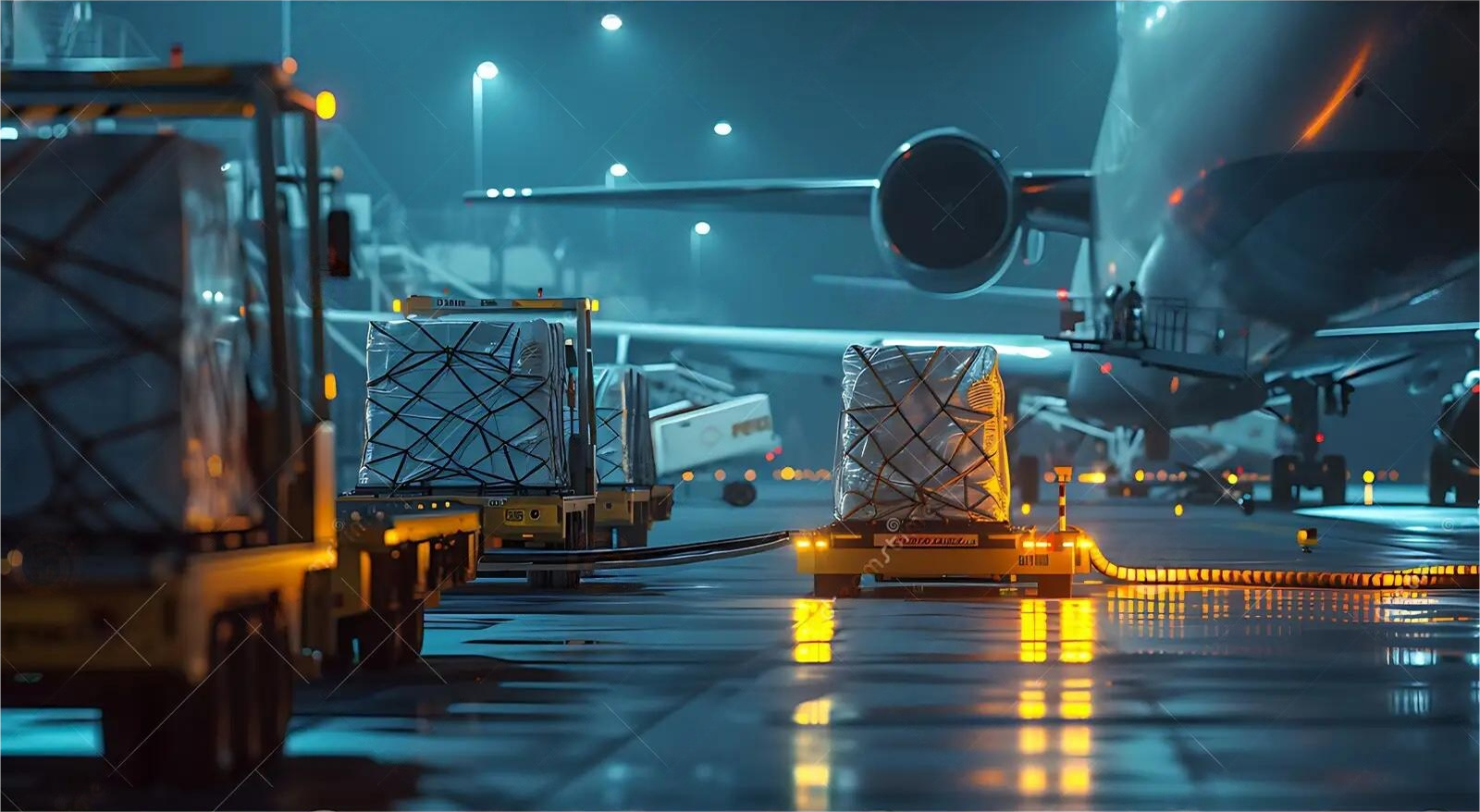
- Air Freight:Express air lanes operate from key Chinese airports to Australian destinations in 3 to 15 days. Freight charges vary between US $4.60 and $8.00/kg, influenced by origin city, cargo weight, and urgency.
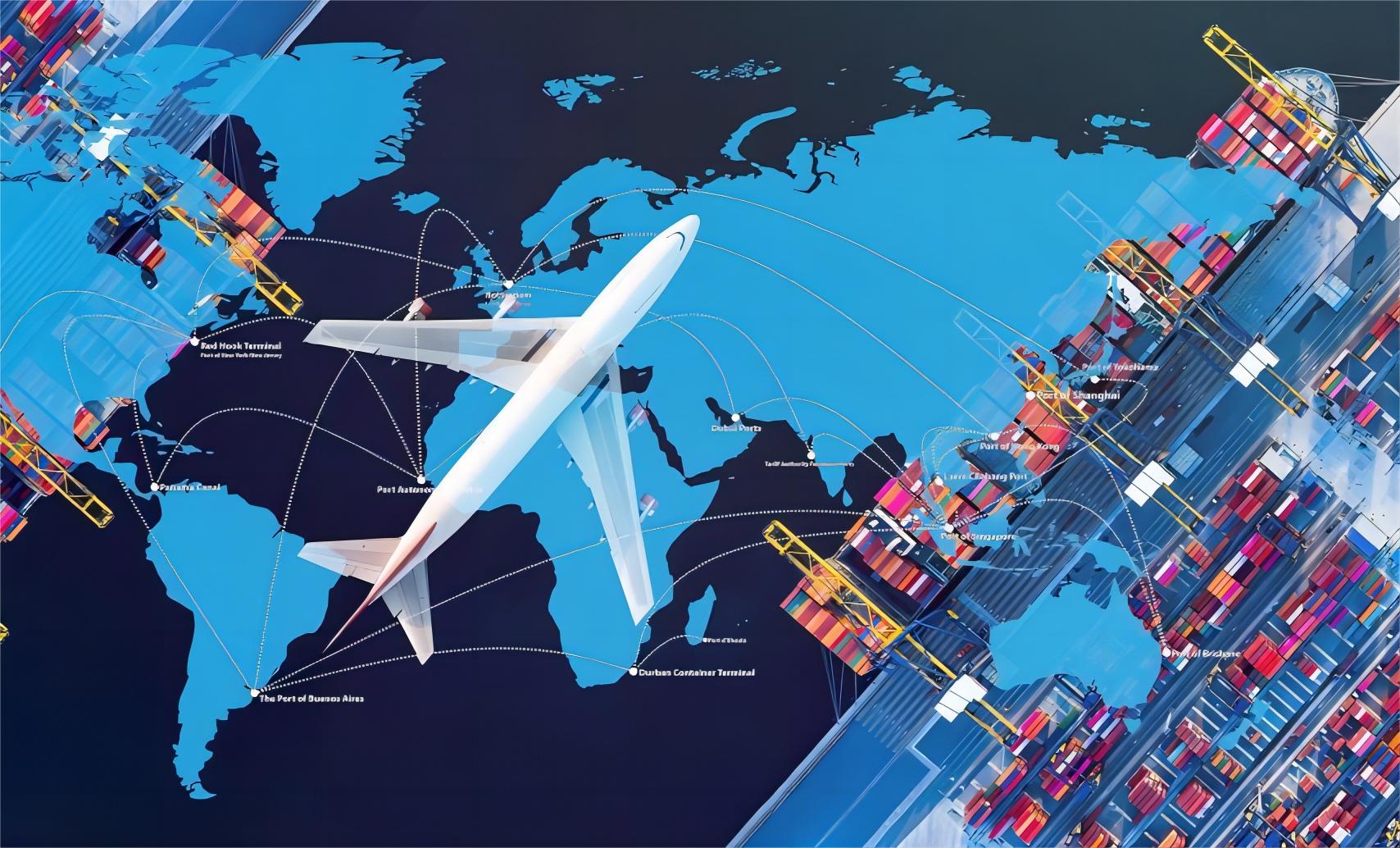
- Port Handling: Major Chinese ports such as Shanghai, Ningbo, Shenzhen, and Guangzhou play a crucial role in international trade. Meanwhile, these ports efficiently connect with key Australian gateways, including Sydney, Melbourne, Perth, and Brisbane.
- Route Disruptions: However, recent Red Sea incidents have forced many vessels to reroute around the Cape of Good Hope, which significantly adds both transit days and voyage costs.
- Customs & Biosecurity: In particular, Australian import policies under ChAFTA allow for reduced or zero tariffs on a wide range of goods. Nevertheless, strict biosecurity inspections and clearance procedures still apply to all shipments.
3.Benefits of shipping from China to Australia
- Sea freight delivers greatest economy for high-volume cargo.
- Air freight allows fast transit for urgent, high-value shipments.
- Inland delivery is seamless from major Australian ports to regional centers.
- Australia’s tariff environment under ChAFTA reduces import costs for many goods.

📌4. Costs & Market Trends
1.August 2025 FCL rates: around US $1,350 for a 20′ container and US $2,550 for a 40′.
2.Air freight lanes cost USD $4.57–6.10/kg (3–15 day transit).
3.Peak seasons (Sept–Dec) increase demand, causing rate spikes and limited space.
📦 5.Key Service Options Comparison
| Mode | Transit Time | Best For | Cost Range |
|---|---|---|---|
| Ocean FCL | 20–40 days | High volume, cost-sensitive | ~$1,350 per 20′ container |
| Ocean LCL | 23–40 days | Small batches | ~$13–45/m³ |
| Air Freight | 3–15 days | Urgent or valuable goods | ~$4.6–8.0/kg |
6.Air vs Sea: Which to Choose for Shipping from China to Australia
📄 Scenario 1: A furniture retailer importing 10,000 kg of cabinets wisely chooses FCL sea freight for $1,600 over 35 days. Since the cargo is bulky and not time-sensitive, sea transport offers the most economical solution.
📄 Scenario 2: Meanwhile, a tech brand launching new headphones selects 450 kg air freight at $5.50/kg. Thanks to this choice, the products are available in stores within just 6 days, ensuring a successful product rollout.
Therefore, when selecting a transport mode, always consider urgency, cargo value, and shelf life. Ultimately, the right decision improves cost-efficiency and delivery timing.
7. Request a Quote
China Top Freight offers:
- ✅ Origin and Destination Countries
- ✅ Cargo Type and Volume
- ✅ Preferred Transport Method (Air, Sea, Rail, Road)
- ✅ Delivery Timeline
- ✅ Special Handling Requirements (if any)
💬8. FAQ
Q: How long does delivery take?
A: Sea transport ranges from 20–40 days. Air services can deliver as quickly as 3 days, with economy options taking up to 15 days.
Q: Are there import taxes?
A: Many products qualify for zero or reduced duties under free trade agreements, but biosecurity checks remain mandatory and strictly enforced.
Q: What factors impact freight pricing?
A: Pricing is influenced by transport mode, cargo weight and volume, seasonal fluctuations, route disruptions, fuel surcharges, and customs-related fees.
Q: Do global disruptions affect this trade lane?
A: Yes—events like Red Sea tensions, port strikes, or capacity shortages can lead to longer transit times and higher costs.
Q: Which transport method is better for my business?
A: Use sea freight for large-volume, budget-focused shipments. Choose air freight for time-sensitive or high-value goods that require speed.