

- By carlie tj
- August 12, 2025
- Logistics Guide
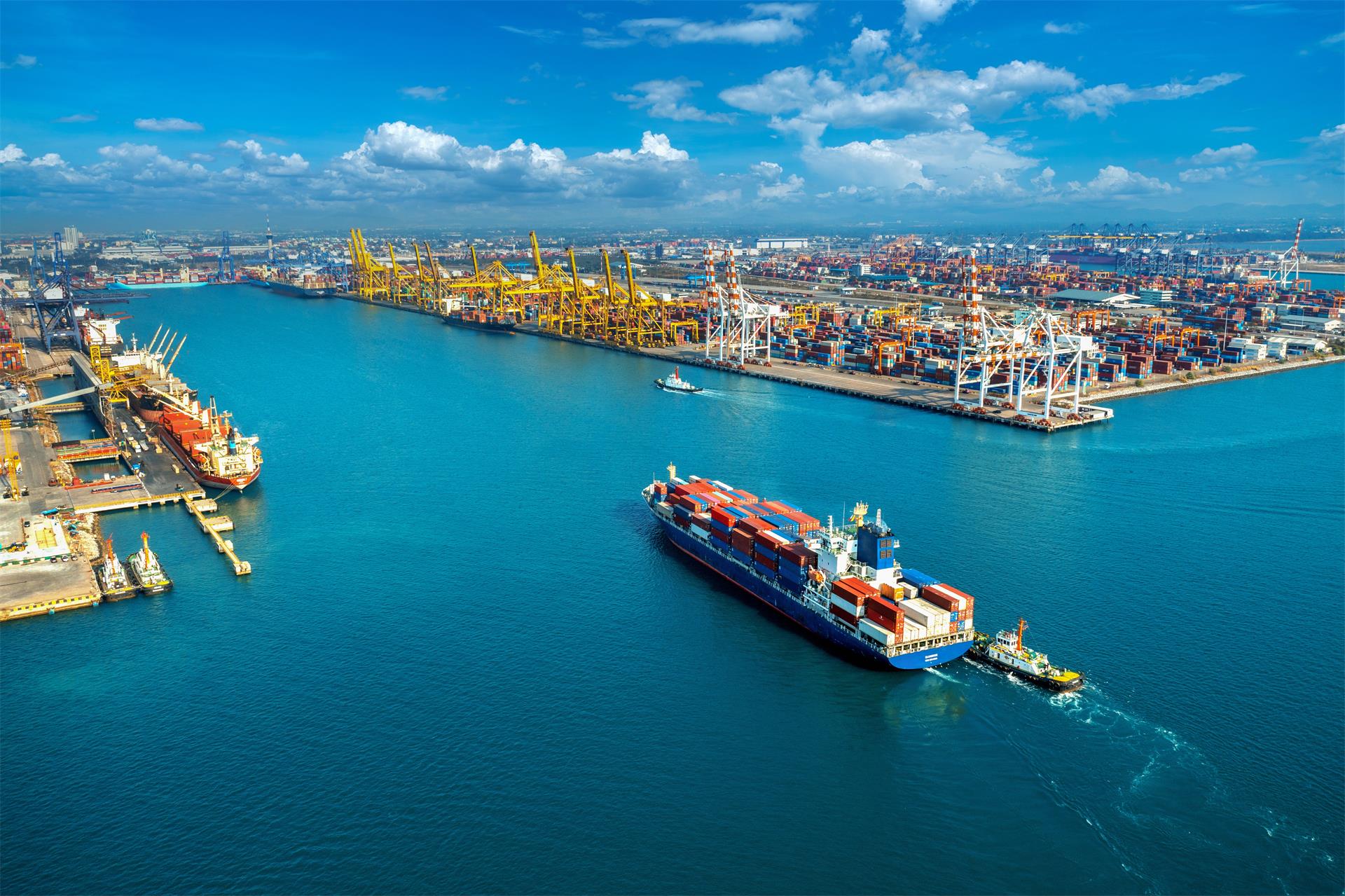
As global trade accelerates, businesses increasingly rely on freight forwarding services to manage the complexity of international logistics. These services simplify cargo movement, reduce delays, and ensure goods are transported reliably—whether by rail, sea, air, or road.
This guide explores how freight forwarding services work, their key components, transportation modes involved, and how to choose the right partner for your supply chain.
1. What Are Freight Forwarding Services?
| Aspect | Details |
|---|---|
| Definition | Logistics services provided by third-party companies to manage international shipments. |
| Role | Coordinate shipment from origin to destination on behalf of shippers. |
| Transport Involvement | Do not transport goods directly; they work with carriers and agents. |
| Key Responsibilities | – Booking cargo space – Preparing shipping documents – Customs clearance – Tracking & tracing – Warehousing & distribution |
| Function | Serve as intermediaries between shippers and all required transportation services. |
📌2. Why Businesses Use Freight Forwarding Services
Using freight forwarding services allows businesses to:
- Simplify international shipping
- Navigate customs regulations smoothly
- Gain access to better shipping rates
- Avoid delays due to documentation issues
- Scale supply chains efficiently
Whether you’re moving palletized goods, bulk cargo, or high-value items, a reliable forwarder can optimize the entire process from factory to final destination.
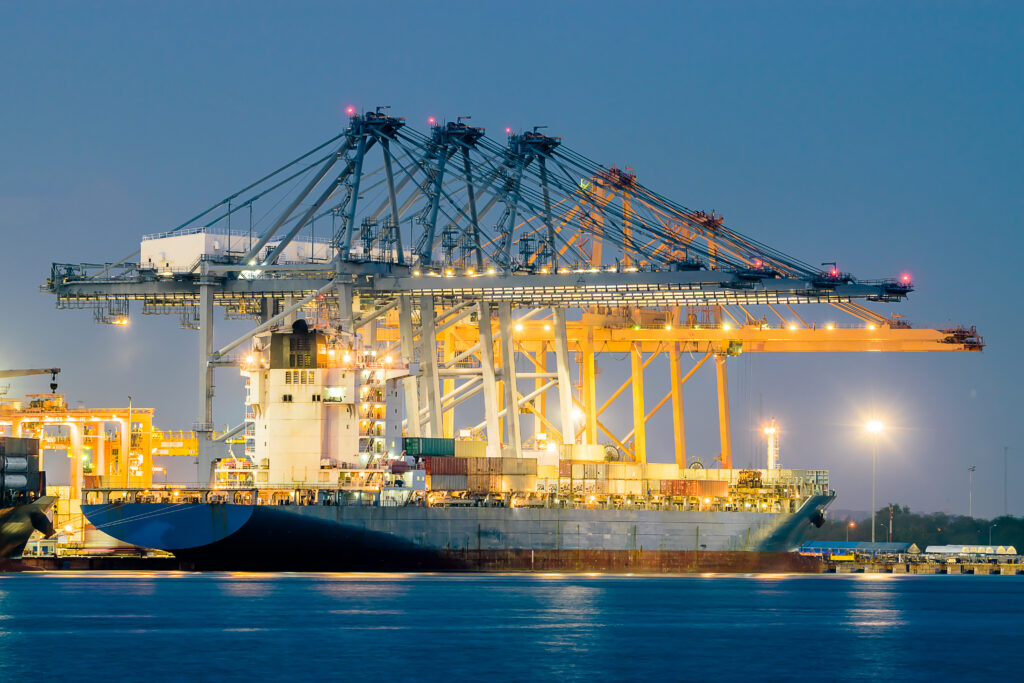
3. Freight Transportation Modes in Freight Forwarding
| Transport Mode | Best Use Case | Key Features | Typical Transit Time |
|---|---|---|---|
| Ocean Freight | Large, heavy, or non-urgent shipments | – Most cost-effective – Ideal for FCL or LCL depending on cargo size | 25–40 days (China to USA/Europe) |
| Air Freight | Urgent, high-value, small-volume goods | – Fast & reliable – Higher cost | 3–7 days |
| Rail Freight | China to Europe trade lanes | – Balance of speed & cost – Suitable for pallets or containerized goods | 15–25 days |
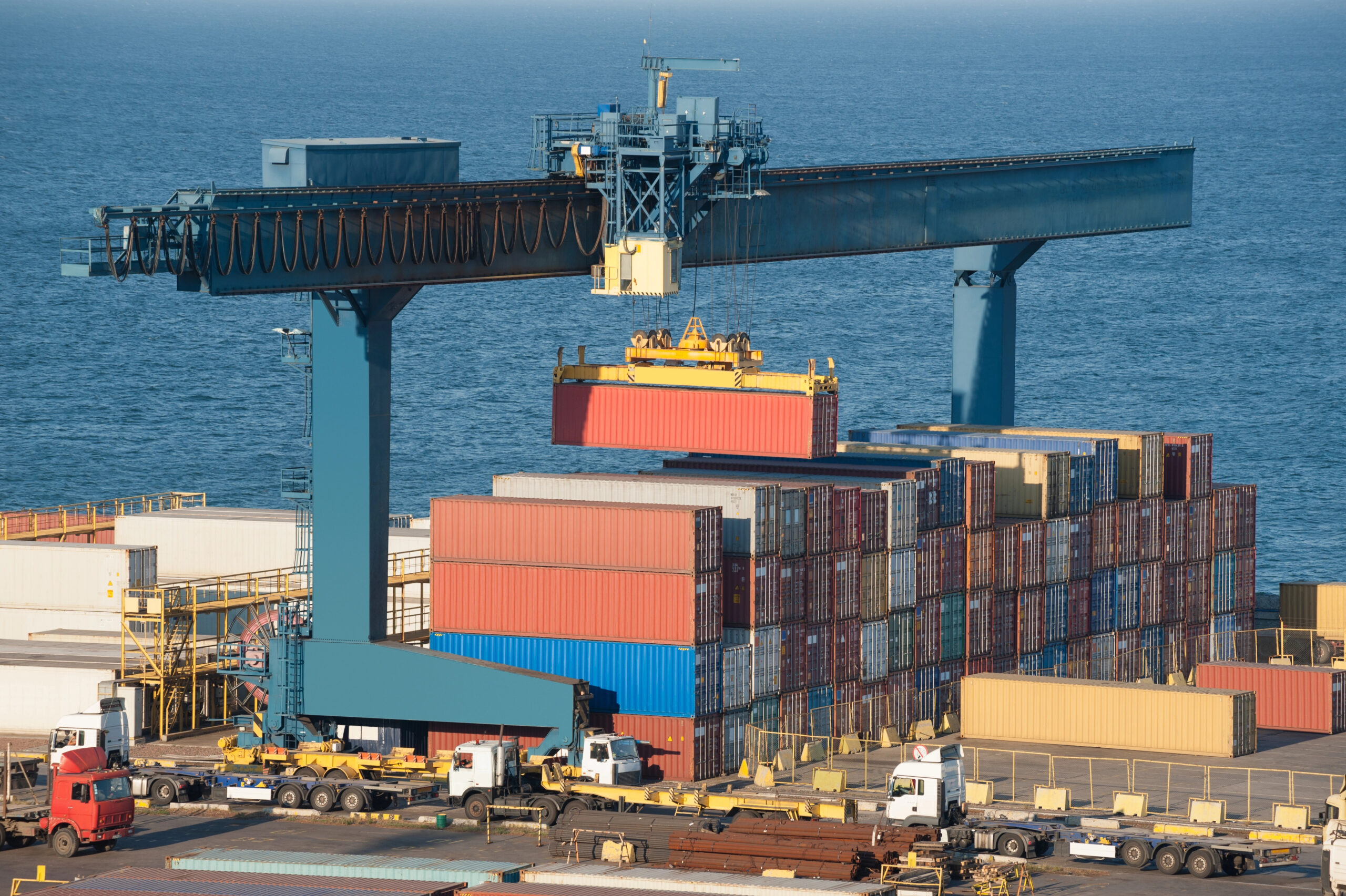
| Road Transport | Domestic or final-mile delivery (paired with other modes) | – Connects ports, airports, rail hubs to warehouses – Essential for last-mile | Varies by route and region |
📌4. Key Documents in Freight Forwarding Servicesn
Proper documentation is critical. Freight forwarders typically handle:
- Bill of Lading (B/L)
- Commercial Invoice
- Packing List
- Certificate of Origin
- Customs Declarations
Mistakes or omissions in documentation can lead to customs delays or fines, so working with experienced freight forwarders ensures smooth cross-border movement.
5. Customs Clearance and Compliance
One of the most valuable parts of freight forwarding services is managing customs. Each country has its own regulations, duties, and import restrictions. Your freight forwarder will:
- Ensure documents are complete and accurate
- Pre-calculate duties and taxes
- Communicate with customs brokers and local authorities
- Prevent clearance-related delays
This reduces risk, especially when importing into strict markets like the U.S. or EU.
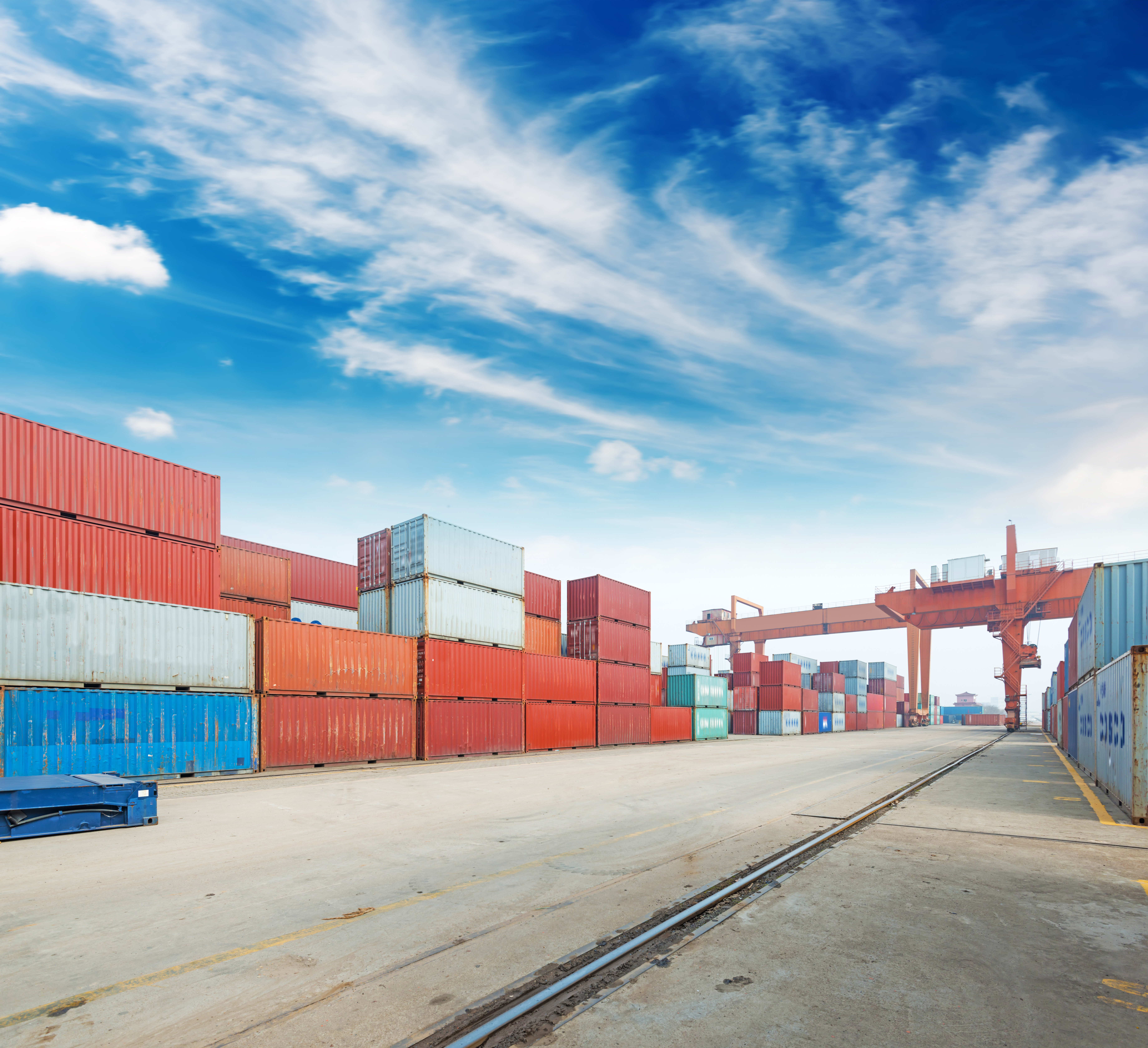
6. Value-Added Services Offered by Freight Forwarders
Freight forwarding companies often offer more than just transportation coordination. Many also provide:
- Cargo insurance
- Palletization and repacking
- Warehousing and inventory control
- Distribution to multiple destinations
- Reverse logistics and returns handling
These added services enhance your supply chain, especially if you manage multiple SKUs or need flexibility in storage and delivery.
7. Request a Quote
China Top Freight offers:
- ✅ Origin and Destination Countries
- ✅ Cargo Type and Volume
- ✅ Preferred Transport Method (Air, Sea, Rail, Road)
- ✅ Delivery Timeline
- ✅ Special Handling Requirements (if any)
💬8. FAQ
Q1: Do freight forwarding services include insurance?
Many offer optional cargo insurance at competitive rates.
Q2: Can a freight forwarder help with DDP shipping?
Yes, some offer full DDP services including customs and final delivery.
Q3: What’s the difference between a freight forwarder and a carrier?
A carrier owns the transport vehicle; a forwarder arranges the shipment and coordinates the process.
Q4: Do I need to use the same forwarder for import and export?
Not necessarily, but working with one forwarder globally can simplify operations.
Q5: How do freight forwarders handle multimodal transport?
They coordinate between carriers and manage transitions between sea, rail, air, and road transport.