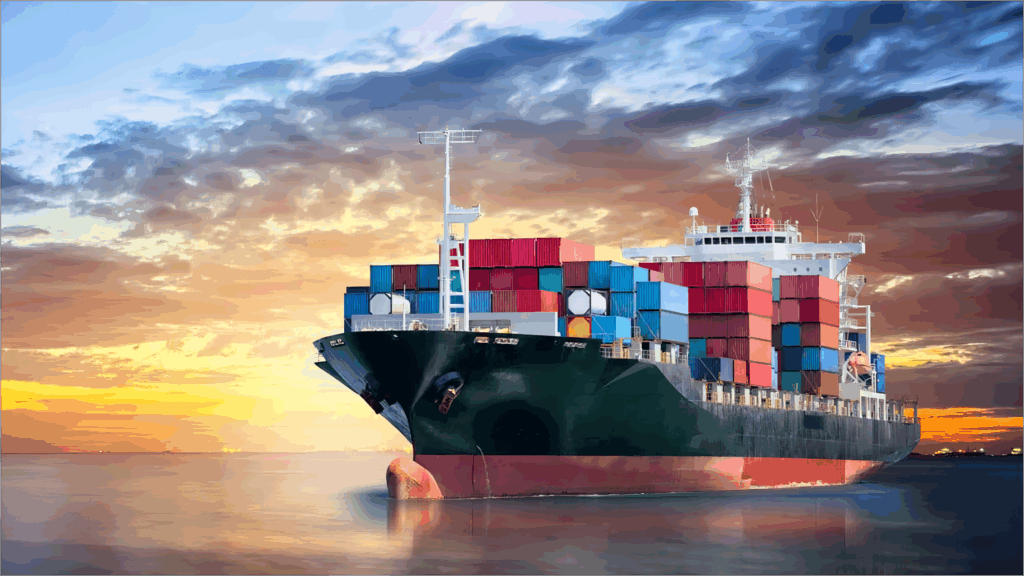
For global importers, sea freight remains the backbone of international trade. Despite being slower than air freight, it is far more cost-effective for bulk shipments. Many businesses search for China sea freight rates to calculate costs before importing containers of goods. This guide breaks down container rates, FCL vs LCL costs, transit times, hidden charges, and tips to secure the cheapest and most reliable sea freight from China.
Long-standing partnerships with major shipping lines.
Transparent pricing with no hidden fees.
Strong local presence in China and destination country.
Ability to handle both FCL and LCL shipments.
Digital tracking systems for container monitoring.
Questions to ask
Do you provide door-to-door sea freight?
What surcharges are included in the quote?
Do you consolidate LCL shipments?
Can you handle customs clearance in my country?
Do you provide cargo insurance?
Cost-Saving Tips for China Sea Freight
Use LCL consolidation for small shipments.
Book early during peak seasons (pre-holiday rush).
Negotiate with multiple forwarders for competitive rates.
Consider alternative ports (e.g., Ningbo instead of Shanghai).
Work with a reliable forwarder to avoid costly delays.
Why Choose Us?
10+ years in international logistics
Competitive shipping rates
Dedicated account manager
Real-time cargo tracking
Warehousing and consolidation services
We ensure your agent Chinais handled with maximum care and transparency.
Final Thoughts
China sea freight rates remain the most cost-effective way to ship bulk goods internationally. While slower than air freight, sea freight offers unbeatable savings for large shipments. By working with a reliable freight forwarder, you can secure competitive rates, avoid hidden fees, and ensure smooth customs clearance.