

- By ayla tj
- August 21, 2025
- Logistics Guide
Sea freight is the backbone of international trade, and for importers sourcing from China, choosing the right China shipping line can make or break supply chain efficiency. With dozens of carriers operating globally, importers must weigh cost, reliability, and transit times carefully.
In this article, we’ll explore major shipping lines in China, their services, pricing structures, and why working with a China freight forwarder ensures smooth and cost-effective container shipping.
What Is a China Shipping Line?
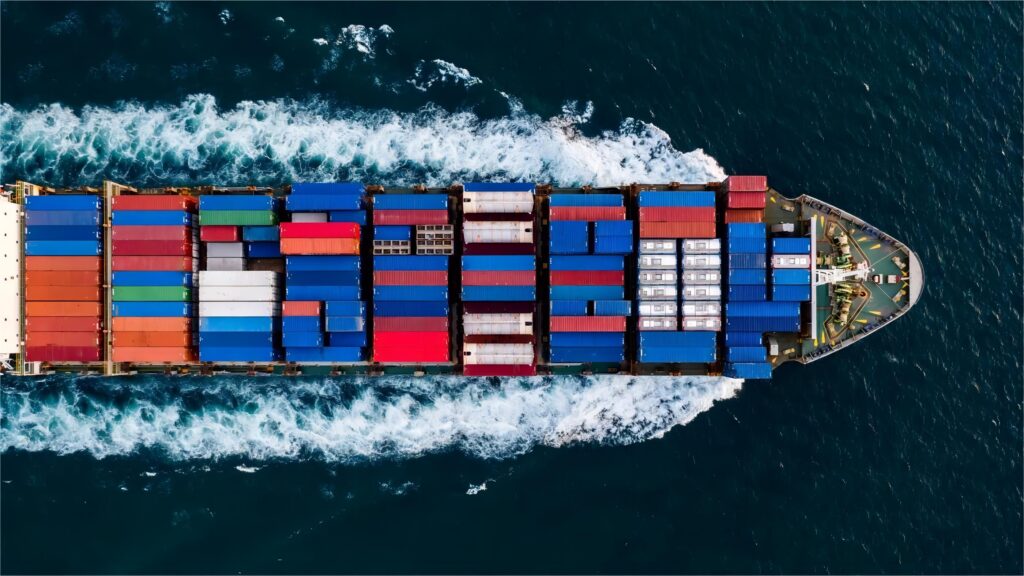
A shipping line is a company that operates container vessels, connecting ports worldwide. From Shanghai to Los Angeles or Shenzhen to Rotterdam, China shipping lines move millions of containers annually, offering both FCL and LCL services.
Why Importers Choose China Shipping Lines for Global Trade
- Global Coverage: China shipping lines connect Asia to every major continent.
- Competitive Costs: Due to high shipping volumes, they offer lower per-container rates.
- Flexibility: Options for FCL, LCL, reefer (refrigerated) cargo, and hazardous goods.
- Technology: Real-time container tracking.
- Reliability: Established networks with scheduled services.
Major Shipping Lines Operating from China
COSCO Shipping Lines
The largest Chinese carrier and a top global player. COSCO offers extensive China–USA and China–Europe services with over 400 vessels.
China Shipping (Now Merged with COSCO)
Formerly a standalone company, it merged with COSCO to create a mega-carrier with global dominance.
OOCL (Orient Overseas Container Line)
A Hong Kong-based carrier, now owned by COSCO, known for advanced digital shipping systems and strong European routes.
Evergreen & Other Global Carriers in China
Taiwan’s Evergreen, Maersk, CMA CGM, and MSC also have strong China operations, giving importers multiple options.
Services Offered by China Shipping Lines
Full Container Load (FCL) Shipping
Importers book entire containers (20ft, 40ft, or 40ft HQ). Best for bulk cargo.
Less than Container Load (LCL) Shipping
For smaller shipments, multiple customers share one container, cutting costs.
Door-to-Door Shipping Solutions
Some lines and forwarders provide integrated logistics, from supplier pickup in China to delivery abroad.
Container Tracking & Visibility Tools
Digital tracking systems allow importers to monitor shipments using Bill of Lading numbers.
Cost & Transit Time Comparison – China Shipping Line Routes
| Route | Transit Time | Average Cost (40ft Container) | Best For |
|---|---|---|---|
| China → USA (West Coast) | 15–20 days | $2,500–$4,000 | Electronics, consumer goods |
| China → USA (East Coast) | 25–30 days | $4,000–$6,000 | Furniture, textiles |
| China → Europe (Rotterdam) | 30–40 days | $3,000–$5,000 | Machinery, auto parts |
| China → Australia (Sydney) | 18–25 days | $2,200–$3,800 | Mixed cargo |
Request a Quote – Get Your Shipping Costs Now
Are you ready to book?
Access live instant freight quotes
Challenges of Working Directly with Shipping Lines
- Volume Requirements: Direct contracts often require high shipment volumes.
- Complex Documentation: Importers must handle paperwork independently.
- Hidden Fees: Surcharges for ports, handling, and storage.
- Limited Flexibility: Shipping lines prioritize large corporate customers.
Why Work with a China Freight Forwarder for Shipping Line Bookings
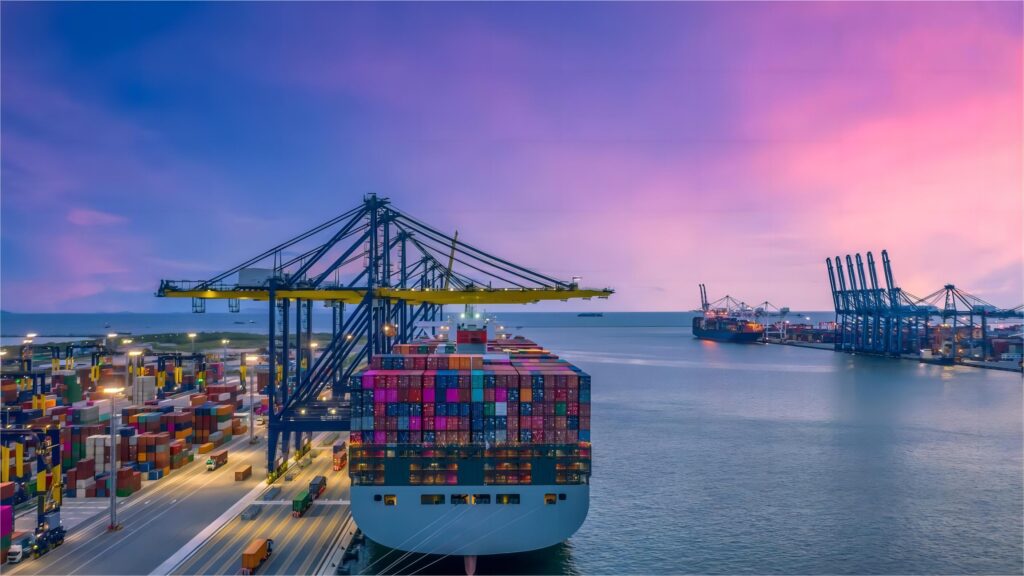
- Lower Costs: Forwarders negotiate bulk rates with shipping lines.
- Flexibility: Options for FCL, LCL, and consolidation.
- Customs Clearance: Forwarders prepare documents and handle import duties.
- Door-to-Door Delivery: Forwarders combine shipping line services with local delivery.
- Problem Solving: They manage issues like delays, rerouting, or customs holds.
Final Thoughts
Working with a China shipping line ensures global connectivity and competitive freight costs. However, most SMEs benefit by booking through a China freight forwarder, who negotiates better rates, manages customs clearance, and provides door-to-door solutions.
FAQ
Q1: Can I book a China shipping line directly without a forwarder?
Yes, but it’s usually more expensive unless you have large shipment volumes.
Q2: Do China shipping lines offer insurance?
Most provide basic liability, but it’s best to get full cargo insurance via a forwarder.
Q3: How early should I book a container during peak season?
At least 3–4 weeks in advance before Chinese New Year or holiday peaks.
Q4: Can China shipping lines handle perishable goods?
Yes, reefer containers are available for frozen food, fruits, and pharmaceuticals.
Q5: Do shipping lines provide customs clearance?
No, you’ll need a customs broker or forwarder.
Q6: Can I track my container with a shipping line?
Yes, all major shipping lines have online tracking portals.
Q7: Is LCL consolidation handled by shipping lines directly?
Usually not. Forwarders manage consolidation using shipping line services.