

- By carlie tj
- August 22, 2025
- Logistics Guide
Canada imports billions of dollars’ worth of goods from China every year, ranging from electronics and furniture to machinery and textiles, which makes shipping between the two countries one of the busiest and most important trade routes in global logistics. For importers, one of the biggest challenges is understanding the shipping from China to Canada price, since freight charges fluctuate based on container size, transport mode, fuel surcharges, and even seasonal demand.
This guide will walk you through everything you need to know: the difference between sea, air, and rail freight; average transit times; customs clearance fees; and how to choose between FCL and LCL shipments. By the end, you will have a clear picture of how to plan your shipments more efficiently, reduce costs, and ensure reliable delivery to major Canadian destinations such as Vancouver, Toronto, and Montreal.
👉 To learn more about professional freight forwarding services and get customized solutions, visit China Top Freight.
1. How Much Does Sea Freight Cost in Shipping from China to Canada Price?
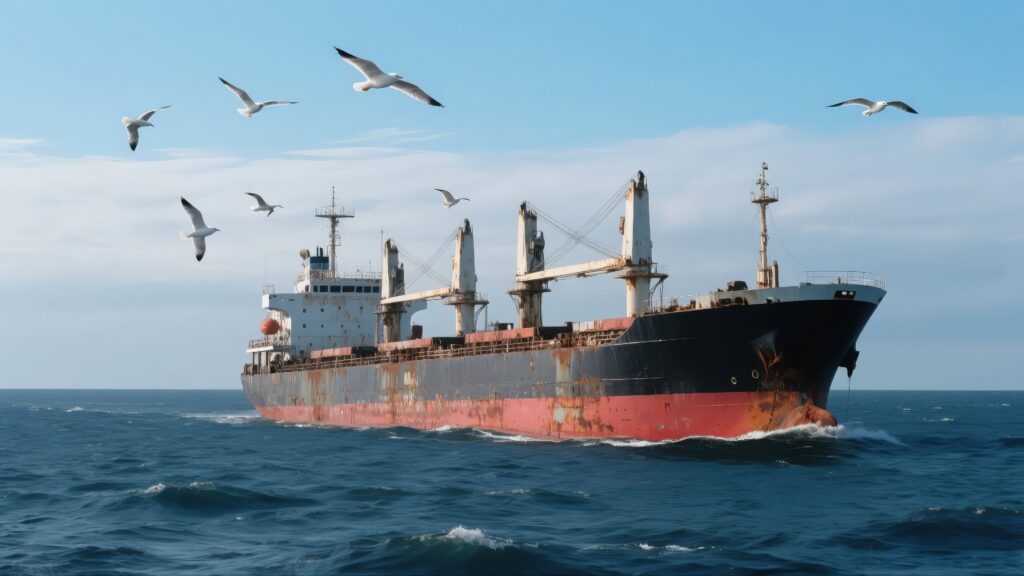
Sea freight is by far the most popular choice for large shipments because it provides the best balance of cost and capacity, and while freight rates are subject to global supply chain fluctuations, here are some average charges importers can expect:
| Container Type | Avg. Cost (USD) | Notes |
|---|---|---|
| 20ft FCL | $1,600–$2,100 | Best for smaller but heavy shipments |
| 40ft FCL | $2,800–$3,900 | More cost-effective for bulk cargo |
| LCL (per CBM) | $70–$100 | Suitable for small businesses, shared |
2. Is Air Freight Worth the Higher Shipping from China to Canada Price?
Air freight is significantly more expensive than ocean freight, but for certain types of goods — such as high-value electronics, urgent parts, or fashion products — the speed and security can justify the cost. Importers often find that while the upfront shipping from China to Canada price for air cargo is higher, the shorter lead times and reduced risk of stockouts make it a smart investment for specific supply chains.
3. Should I Choose FCL or LCL in Shipping from China to Canada Price?
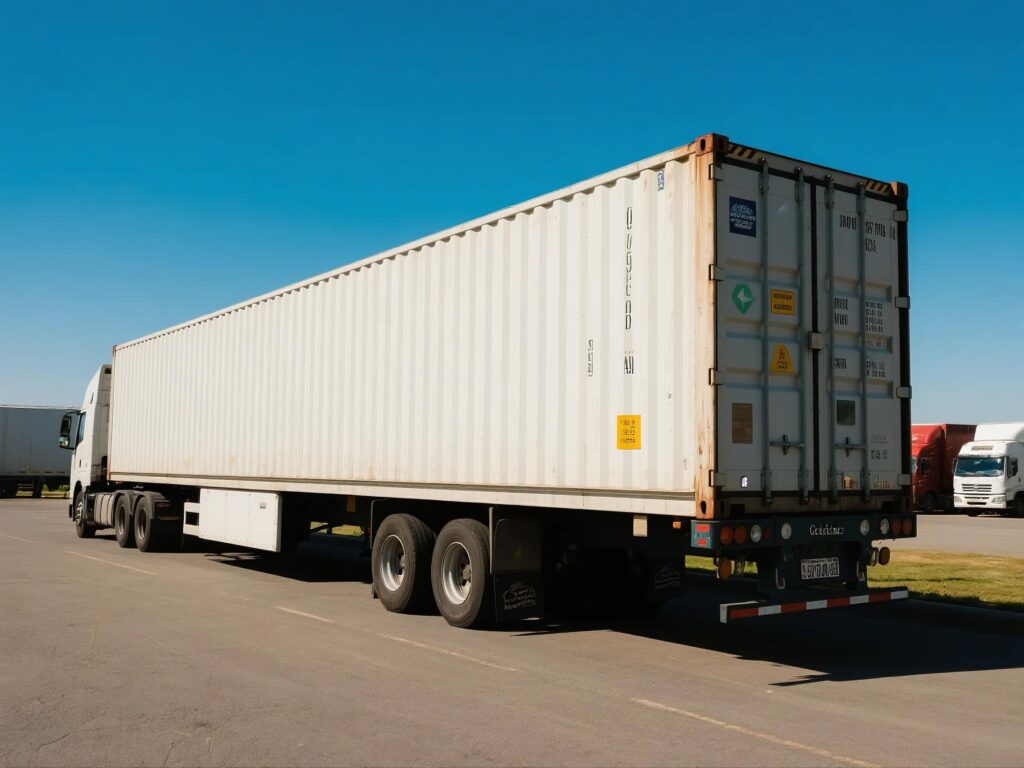
The choice between FCL and LCL depends largely on your cargo volume and budget, and while FCL (Full Container Load) offers better security and lower per-unit costs for large shipments, LCL (Less than Container Load) provides flexibility and affordability for smaller loads. Many SMEs prefer LCL because it allows them to share container space and avoid paying for unused capacity, but larger companies almost always opt for FCL for better economies of scale.
4. How Do Customs Duties and Taxes Impact Costs?
Canadian imports are subject to several additional charges beyond freight, and businesses need to factor these into their landed costs:
| Fee Type | Typical Rate | Notes |
|---|---|---|
| Import Duty | 0–8% (depends on HS code) | Varies by product category |
| GST (Goods & Services Tax) | 5% nationwide | Applied on CIF value + duties |
| Provincial Taxes | 0–10% (varies by province) | Higher in Quebec and Ontario |
| Customs Brokerage | $80–$150 per entry | Forwarder or broker assists |
5. How Do Seasonal Trends Affect Shipping Prices?
Importers should prepare for higher shipping from China to Canada prices during peak seasons, especially:
- Chinese New Year: Factory closures create backlogs.
- Summer shipping surge: Retailers prepare for fall/winter demand.
- Christmas season: High global demand pushes rates upward.
6.Which Canadian Ports and Airports Handle Imports?
- Major Ports: Vancouver (largest), Montreal, Prince Rupert, Toronto (inland).
- Airports: Toronto Pearson, Vancouver International, Montreal-Trudeau.
Choosing the right entry point impacts overall shipping time and price.
7. Request a Quote
China Top Freight offers:
- ✅ Origin and Destination Countries
- ✅ Cargo Type and Volume
- ✅ Preferred Transport Method (Air, Sea, Rail, Road)
- ✅ Delivery Timeline
- ✅ Special Handling Requirements (if any)
8. FAQ
Q1: Why do freight rates sometimes rise so quickly?
Global demand, fuel adjustments, and carrier space shortages often trigger sudden changes. By monitoring market updates, you can plan ahead and avoid last-minute surprises.
Q2: How can I better prepare my cargo for faster handling?
Accurate labeling, sturdy packaging, and complete paperwork ensure smoother processing. Taking time to prepare well at the start prevents unnecessary delays later.
Q3: What should I do if my goods arrive at the port earlier than scheduled?
Early arrivals may lead to storage fees. Coordinating flexible pickup dates and staying in close contact with your forwarder helps you avoid extra c
Q4: Can orders from multiple suppliers be shipped together?
Yes. Consolidating goods into one load lowers expenses and simplifies customs clearance. This approach is especially helpful when dealing with smaller shipments.
Q5: How can I minimize risks during peak shipping seasons?
Book space well in advance, double-check documentation, and maintain open communication. These proactive steps reduce the chance of congestion-related delays.