

- By carlie tj
- August 27, 2025
- Logistics Guide
Shipping from China to Malaysia has become one of the most active trade routes in Asia. With Malaysia importing electronics, machinery, textiles, and raw materials from China, businesses need a clear roadmap to reduce costs, speed up delivery, and avoid customs delays.
This guide explains the best transport methods, cost structures, customs rules, and strategies to make your logistics process smoother. Whether you’re a small e-commerce seller or a large importer, understanding shipping options helps you compete effectively.
1. Sea Freight: The Most Cost-Effective Option
Sea freight remains the preferred choice for bulk cargo. Importers can select FCL (Full Container Load) for large shipments or LCL (Less than Container Load) when sharing space with other shippers.
Typical Costs & Transit Time
| Mode | Avg. Cost (2025) | Transit Time | Best Use |
|---|---|---|---|
| FCL (20ft) | $650–$850 per container | 7–12 days | Heavy, bulky goods |
| FCL (40ft) | $1,200–$1,500 per container | 7–12 days | High-volume cargo |
| LCL | $80–$120 per CBM | 10–14 days | Smaller loads |
Choosing sea freight reduces unit shipping costs significantly. However, importers should factor in extra handling, warehousing, and customs fees.
2. Air Freight Shipping from China to Malaysia – Fast but Expensive
Air freight provides speed for urgent goods such as electronics, fashion, and medical supplies. Although rates are higher, it helps companies maintain inventory flexibility.
Key Benefits
- Transit time: 1–3 days
- Rates: $4.5–$7 per kg
- Best for: Urgent, high-value, lightweight goods
Importers often combine air freight with sea freight to balance cost and delivery time.
3. Express Courier Shipping from China to Malaysia – Door-to-Door Delivery
International couriers like DHL, FedEx, and UPS provide reliable door-to-door delivery from China to Malaysia.
| Courier | Cost (per kg) | Transit Time |
|---|---|---|
| DHL | $8–$10 | 3–5 days |
| FedEx | $7–$9 | 3–5 days |
| UPS | $7–$9 | 4–6 days |
Best for small parcels, samples, or e-commerce orders. Courier services handle customs clearance directly, saving time for buyers.
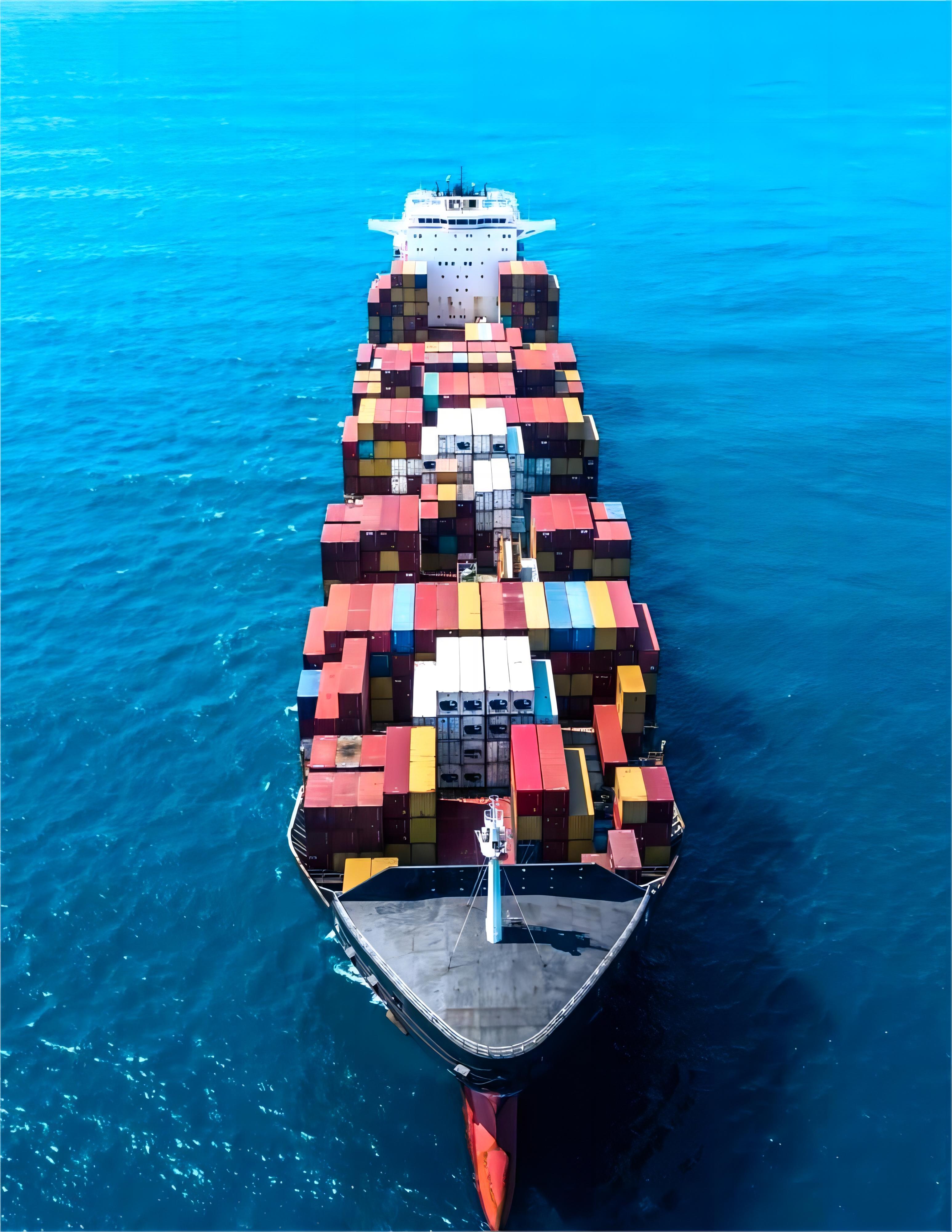
4. FCL vs LCL Shipping from China to Malaysia – Which to Choose?
FCL ensures full control of the container, lower risk of delays, and faster handling at ports.
LCL helps reduce upfront costs for small businesses but may face delays due to consolidation and deconsolidation.
5. Rail & Multimodal Options
Although direct rail is less common than for China–Europe routes, some importers use multimodal solutions (rail + sea or air) for balanced efficiency. These are growing in popularity for specific supply chains.
6.How Free Trade Agreements Help
Malaysia and China are part of the Regional Comprehensive Economic Partnership (RCEP). This agreement reduces tariffs on many products, helping importers save costs when documentation is handled properly.
7.Conclusion
Shipping from China to Malaysia requires careful decisions about freight mode, cost, and customs procedures. By working with reliable freight forwarders, importers can save money, reduce delays, and strengthen supply chains.
8. Request a Quote
China Top Freight offers:
- ✅ Origin and Destination Countries
- ✅ Cargo Type and Volume
- ✅ Preferred Transport Method (Air, Sea, Rail, Road)
- ✅ Delivery Timeline
- ✅ Special Handling Requirements (if any)
9. FAQ
Q1: How do I reduce unexpected shipping charges?
You should request an all-in quote from your freight forwarder that includes origin charges, customs clearance, and delivery fees. Transparent cost breakdowns help avoid hidden surcharges.
Q2: Is it possible to split shipments between sea and air?
Yes. Many importers use a split-shipment model where urgent goods move by air while bulk items move by sea, balancing speed and cost.
Q3: What is the biggest risk during transit?
The most common risks include port congestion, customs delays, and cargo damage. Choosing insured shipments and reliable partners minimizes disruption.
Q4: How do small businesses compete with larger importers on freight?
Small businesses should consolidate cargo through LCL or freight forwarder networks. This allows them to access competitive rates similar to large-volume shippers.
Q5: Do I need an import license in Malaysia?
For general goods, no. However, restricted items such as pharmaceuticals, chemicals, and food products require special permits from Malaysian authorities.