

- By carlie tj
- August 29, 2025
- Logistics Guide
As trade between China and the United Arab Emirates continues to expand, businesses increasingly evaluate shipping cost from China to UAE to manage budgets and maintain efficiency. Choosing the right transport mode and logistics partner directly influences delivery times, customs clearance, and overall profitability. By carefully planning, comparing rates, and using experienced providers, companies reduce risks and secure smoother trade operations.
For tailored freight solutions, visit ChinaTopFreight.
1. Air Freight – Shipping Cost from China to UAE for Urgent Goods
Air freight is the fastest option, moving goods from Guangzhou, Shenzhen, or Shanghai to Dubai in just 3–6 days. Electronics, fashion, and pharmaceuticals are commonly shipped this way. While costs are higher, importers benefit from speed and reliability, avoiding costly stock shortages.
2. Sea Freight – Shipping Cost from China to UAE for Bulk Cargo
Sea freight remains the most affordable solution for heavy or large shipments. Businesses choose FCL (Full Container Load) for full shipments or LCL (Less than Container Load) for smaller volumes.
Table 1: Sea Freight Costs & Timelines
| Mode | Avg. Cost (2025) | Transit Time | Best For |
|---|---|---|---|
| FCL | $1,200–$1,800/20ft | 20–28 days | Large cargo |
| LCL | $55–$75 per CBM | 25–32 days | Small shipments |
3.Customs Clearance in the UAE – How It Impacts Shipping Cost from China to UAE
Importers must prepare commercial invoices, packing lists, HS codes, and certificates of origin. UAE customs strictly enforce compliance, and errors cause penalties or storage fees. Proactive coordination ensures faster clearance.
4. Evaluating UAE Port Choices and Their Effect on Shipping Cost from China to UAE
The UAE has multiple entry points including Jebel Ali in Dubai and Khalifa Port in Abu Dhabi. Choosing the right port shortens inland transport times and lowers distribution costs.
5. Future Trends in China–UAE Shipping
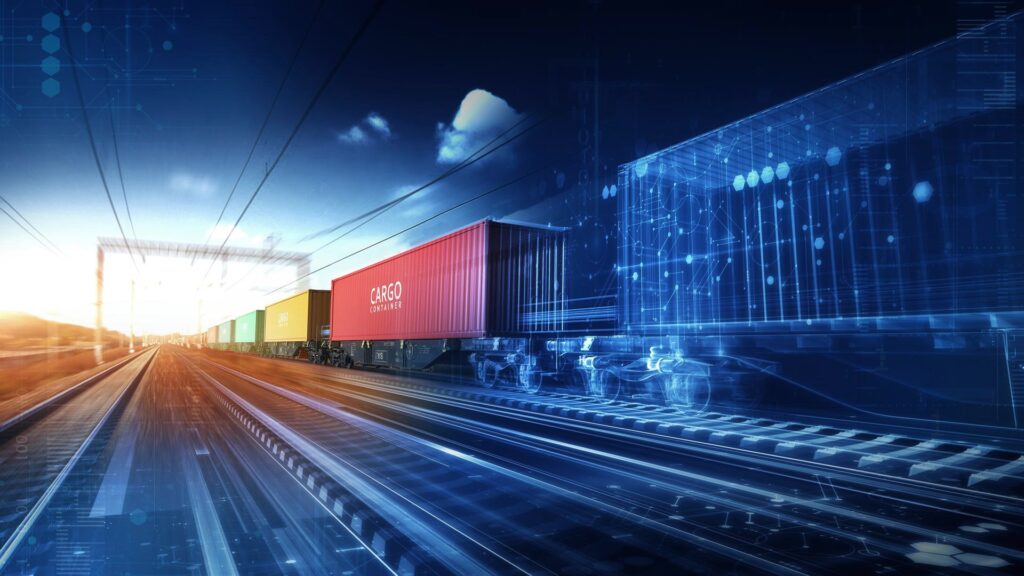
Logistics providers increasingly adopt digital booking, eco-friendly shipping methods, and multimodal solutions like rail–sea. Companies that adapt early gain both cost advantages and smoother supply chains.
6.FCL vs LCL – Deciding Correctly
- FCL: Faster handling, lower damage risk, cost-efficient for full containers.
- LCL: Flexible and budget-friendly, ideal for small cargo, but slower at ports.
By comparing both with a trusted shipping partner, businesses avoid costly mistakes.
7.Conclusion
Evaluating shipping cost from China to UAE helps businesses choose the most efficient solution for their cargo. By comparing sea, air, and courier options, preparing documents carefully, and leveraging digital tools, importers reduce risks and achieve long-term savings.
8. Request a Quote
China Top Freight offers:
- ✅ Origin and Destination Countries
- ✅ Cargo Type and Volume
- ✅ Preferred Transport Method (Air, Sea, Rail, Road)
- ✅ Delivery Timeline
- ✅ Special Handling Requirements (if any)
9. FAQ
Q1: Why does vessel scheduling matter for importers?
Carriers often adjust routes due to weather or port congestion. By monitoring schedules and coordinating early, businesses avoid unexpected waiting times.
Q2: What advantages come from working with local agents at destination ports?
Local agents understand regulations and manage last-mile delivery more effectively. With their support, importers shorten clearance times and reduce errors.
Q3: Why is digital documentation becoming standard in logistics?
Electronic systems reduce paperwork mistakes and speed up approvals. As more customs offices adopt these platforms, businesses benefit from smoother operations.
Q4: How does seasonality affect delivery reliability?
During peak seasons, capacity becomes limited and transit times often extend. By planning shipments earlier, companies secure space and avoid costly delays.
Q5: What role does inventory planning play in international trade?
Aligning logistics with inventory cycles prevents stockouts and overstocking. Through proactive planning, businesses maintain steady supply and improve customer satis