

- By carlie tj
- August 29, 2025
- Logistics Guide
Trade between Singapore and China has grown rapidly in recent years, covering electronics, petrochemicals, machinery, textiles, and even fresh produce. For businesses, sea freight from Singapore to China remains the most reliable and cost-efficient solution, especially for bulk shipments.
Importers and exporters, however, face key challenges: understanding port handling fees, choosing the right container size, coordinating customs documentation, and avoiding unexpected charges along the route. Unlike air freight, sea freight involves multiple steps — but when managed properly, it provides unmatched savings.
This guide explains port-to-port and door-to-door shipping, highlights the major sea routes, compares costs, and provides practical strategies to make your shipments more efficient.
👉 For customized shipping solutions and instant guidance, visit our China Top Freight Homepage and request a free freight quote today.
1. Major Sea Ports for Sea Freight from Singapore to China
- Singapore Port → Shanghai, Shenzhen, Ningbo, Qingdao
- Strategic hub connections for electronics and chemicals
- Regular sailings with short transit times (5–9 days)
📊 Table 1 – Key Singapore–China Port Routes
| Origin Port | Destination Port | Avg. Transit Time | Common Cargo |
|---|---|---|---|
| Singapore | Shanghai | 6–8 days | Electronics, machinery |
| Singapore | Shenzhen | 5–7 days | Garments, consumer goods |
| Singapore | Ningbo | 6–9 days | Chemicals, furniture |
2. Container Options – FCL vs. LCL for Sea Freight from Singapore to China
- FCL: Best for bulk shipments, lower cost per unit.
- LCL: Suitable for SMEs, but with extra consolidation handling.
3. Typical Sea Freight Costs from Singapore to China
- Rates fluctuate between $200–$500 per CBM (LCL)
- FCL containers range $1,200–$2,000 depending on port pair
- Fuel surcharges and peak season charges affect costs
📌4.Transit Time Factors for Singapore–China Shipping
- Weather disruptions in the South China Sea
- Port congestion in Shanghai and Shenzhen
- Container availability during peak trade seasons
📊 Table 2 – Transit Time Influencers
| Factor | Possible Delay | Solution |
|---|---|---|
| Port congestion | 2–5 days | Book early, flexible schedules |
| Weather (typhoons) | 1–3 days | Use buffer in planning |
| Customs inspections | 1–2 days | Prepare documents correctly |
✔️5.Why Businesses Choose Sea Freight Over Air
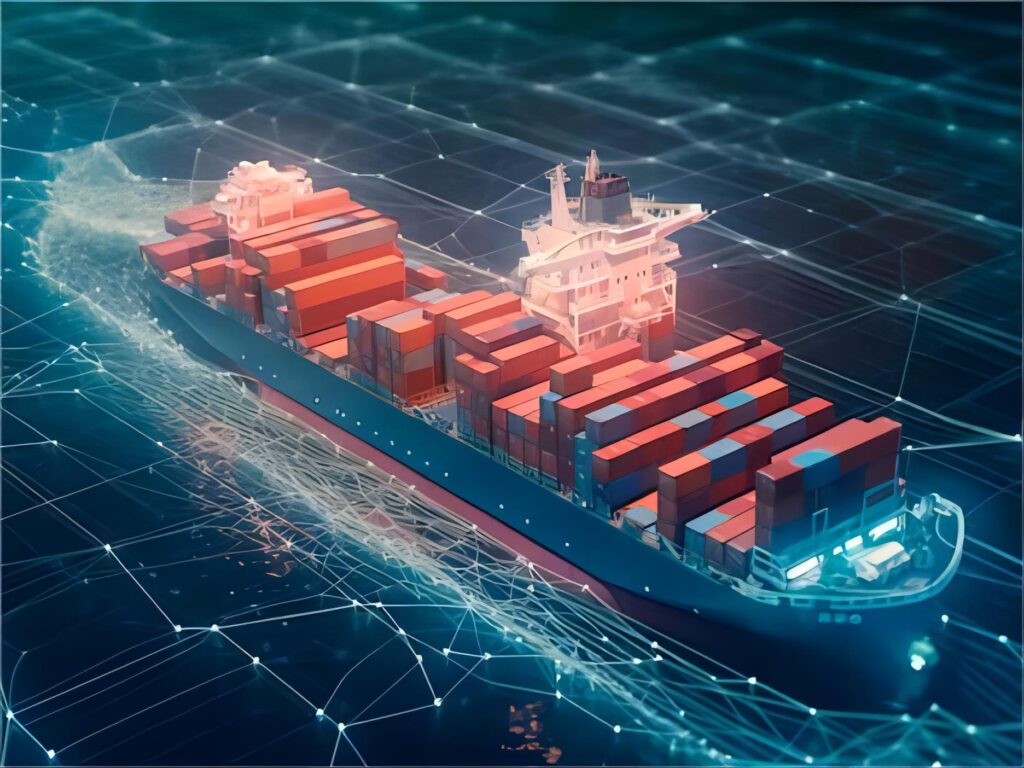
Although air freight seems faster, most Singapore–China trade goods are heavy or bulky, making sea freight far more cost-effective. Many companies use sea freight for regular stock replenishment while reserving air freight only for urgent orders.
6. How ASEAN–China Free Trade Benefits Sea Freight
The ASEAN–China Free Trade Agreement reduces tariffs on many goods shipped from Singapore to China. Importers benefit from lower landed costs, but only if the right certificates and HS codes are applied.
7.Conclusion
Efficient sea freight from Singapore to China is about more than port-to-port shipping. Businesses must consider container options, customs documentation, transit time risks, and hidden fees. By working with a reliable forwarder, importers and exporters can cut costs, minimize delays, and benefit from ASEAN–China trade agreements.
8. Request a Quote
China Top Freight offers:
- ✅ Origin and Destination Countries
- ✅ Cargo Type and Volume
- ✅ Preferred Transport Method (Air, Sea, Rail, Road)
- ✅ Delivery Timeline
- ✅ Special Handling Requirements (if any)
💬9. FAQ
1. How can I minimize delays at Chinese ports?
Plan shipments outside of peak holidays, submit documents early, and work with forwarders that pre-clear cargo with customs.
2. What insurance options are best for sea freight?
Comprehensive cargo insurance protects against damage, loss, or natural disruptions at sea. It is inexpensive compared to potential losses.
3. Can I ship partial loads without paying for a full container?
Yes. LCL services let SMEs share container space and only pay for the volume they use.
4. What role does packaging play in shipping efficiency?
Strong pallets, moisture-resistant wrapping, and proper labeling reduce risks of cargo damage during sea transport.
5. How do I avoid hidden port charges?
Always request an all-inclusive quote, including terminal handling, documentation, and delivery fees.