

- By kelly
- September 11, 2025
- Logistics Guide
Cheap Shipping from China to Philippines: Ultimate 2025 Guide
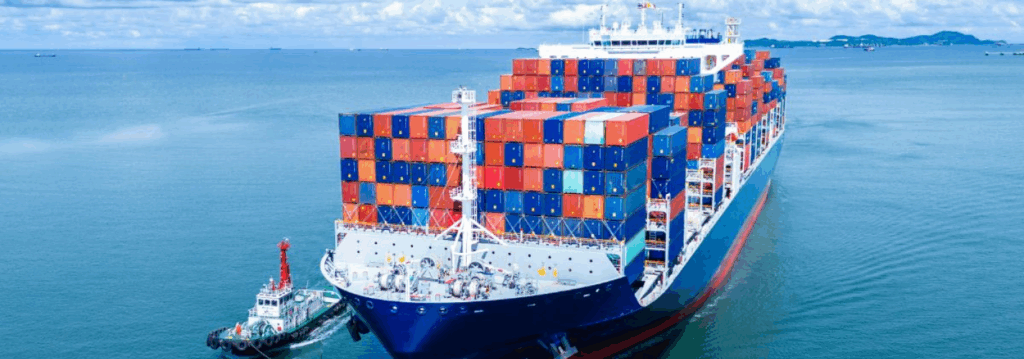
For businesses and individuals looking to save on logistics, finding cheap shipping from China to Philippines is a top priority. Importers face challenges like high freight rates, customs clearance, and unpredictable transit times. However, with the right knowledge and partners, you can cut costs while ensuring safe, timely delivery.
1. What Are the Main Shipping Methods from China to the Philippines?
Different shipping methods suit different needs, depending on urgency, cargo size, and budget.
| Shipping Method | Transit Time | Cost Level | Best For | Pros | Cons |
|---|---|---|---|---|---|
| Sea Freight (FCL/LCL) | 7–15 days | Cheapest | Bulk cargo | Economical, large volumes | Slower, port congestion |
| Air Freight | 3–7 days | Expensive | Urgent goods | Fast, reliable | High cost |
| Express Courier (DHL/UPS/FedEx) | 2–5 days | Very High | Small packages | Door-to-door, simple | Limited volume |
| Door-to-Door (DDP/DAP) | 7–12 days | Medium | SMEs | All-inclusive, hassle-free | Higher service fees |
Therefore, the cheapest option usually involves sea freight, especially for bulk shipments.
2. How Long Does Shipping from China to Philippines Take?
Transit time varies depending on the route, shipping line, and customs clearance.
| Route | Mode | Transit Time |
|---|---|---|
| Shanghai – Manila | Sea Freight | 10–12 days |
| Shenzhen – Cebu | Sea Freight | 7–9 days |
| Guangzhou – Manila | Air Freight | 3–5 days |
| Beijing – Davao | Air Freight | 4–6 days |
| Express Courier (any major hub) | Courier | 2–5 days |
Moreover, delays can occur during peak seasons (e.g., Christmas, Chinese New Year). Therefore, planning ahead reduces risks.
3. How Much Does It Cost to Ship from China to the Philippines?
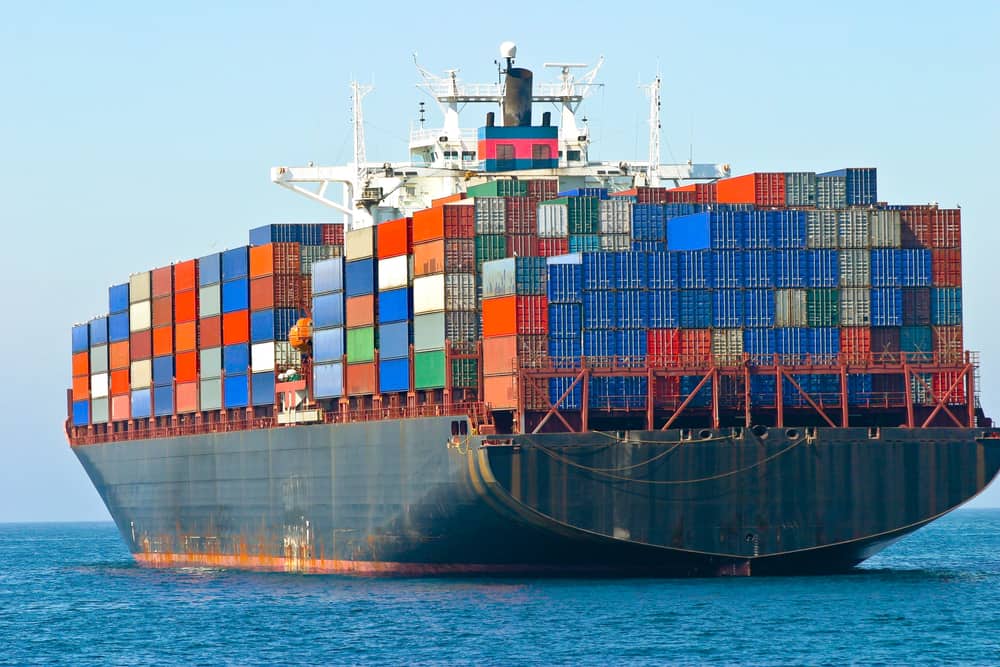
Shipping costs are influenced by weight, volume, and mode of transport.
| Cargo Type | Approx. Cost (USD) | Notes |
|---|---|---|
| 20FT Container (FCL) | $600–$900 | Bulk shipments |
| 40FT Container (FCL) | $1,000–$1,300 | Economical per unit |
| LCL (per CBM) | $60–$100 | Small to medium loads |
| Air Freight (per kg) | $4–$7 | Urgent shipments |
| Express Courier (per kg) | $8–$12 | Parcels, samples |
Additionally, costs can fluctuate based on fuel surcharges, peak season demand, and port charges.
4. Which Ports and Airports Are Commonly Used?
Major Chinese Ports:
- Shanghai
- Shenzhen
- Ningbo
- Guangzhou
Philippine Ports:
- Manila International Container Port
- Cebu Port
- Davao Port
Airports:
- Shanghai Pudong (PVG)
- Guangzhou Baiyun (CAN)
- Manila Ninoy Aquino International Airport (MNL)
- Cebu Mactan International Airport (CEB)
Efficient port and airport selection reduces both costs and transit time.
5. How Do Customs Duties and Taxes Work in the Philippines?
Importers must comply with the Bureau of Customs (BOC).
- Customs Duties: Vary depending on HS code classification.
- Value-Added Tax (VAT): 12% applied to the CIF value (Cost + Insurance + Freight).
- Excise Tax: Applies to alcohol, tobacco, and petroleum.
- De Minimis Rule: Shipments under PHP 10,000 may be tax-exempt.
Therefore, knowing duties in advance helps calculate the true landed cost.
6. What Customs Documents Are Required?
| Document | Purpose |
|---|---|
| Commercial Invoice | Declares product value |
| Packing List | Itemized cargo details |
| Bill of Lading / Air Waybill | Proof of shipment |
| Import Entry Declaration | Required for customs |
| Certificate of Origin | Confirms country of manufacture |
| HS Code | Determines tariffs |
Missing or incorrect paperwork often leads to delays and penalties.
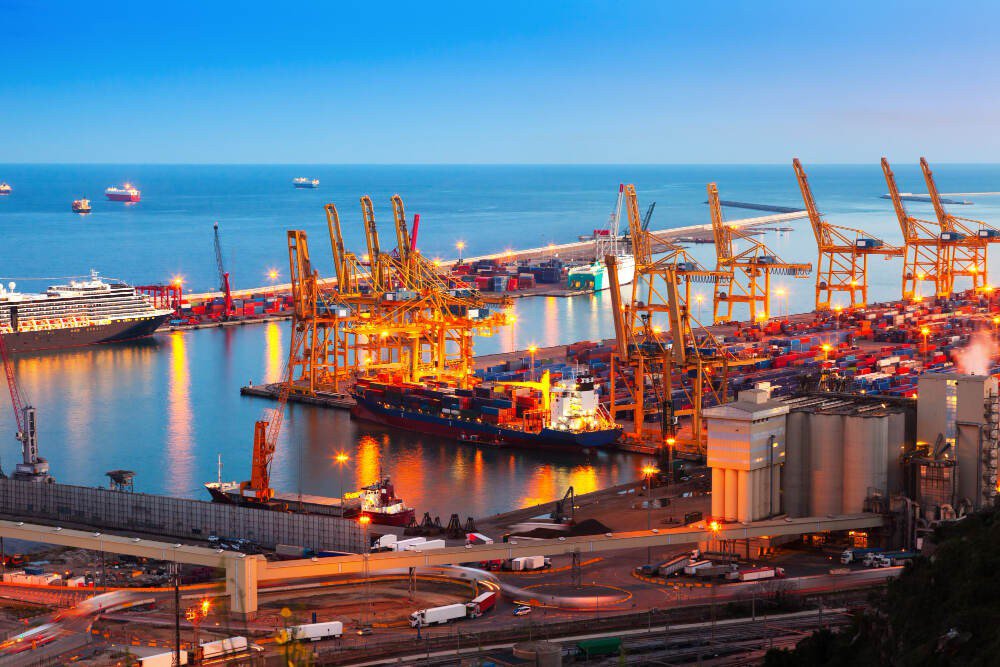
7. Should You Choose FCL or LCL for Sea Freight?
| Factor | FCL (Full Container Load) | LCL (Less than Container Load) |
|---|---|---|
| Cost Efficiency | Better for large loads | Affordable for smaller cargo |
| Security | Exclusive container | Shared, higher risk |
| Speed | Faster | May face consolidation delays |
Therefore, FCL is best for large shipments, while LCL offers flexibility for SMEs.
8. Is Air Freight Worth It for Shipping to the Philippines?
Air freight is suitable when:
- Goods are urgent or time-sensitive.
- Products are high-value or fragile.
- Importers need guaranteed delivery schedules.
However, high costs make it less ideal for bulk cargo.
9. What Are the Pros and Cons of Each Freight Option?
| Mode | Pros | Cons |
|---|---|---|
| Sea Freight | Cheapest, large volume | Slower, port congestion |
| Air Freight | Fast, reliable | Expensive |
| Express Courier | Door-to-door, simple | Very high cost |
| Door-to-Door DDP/DAP | Hassle-free | Slightly more costly |
Therefore, importers should balance urgency and budget when selecting methods.
10. How to Reduce Shipping Costs from China to the Philippines?
- Consolidate cargo to reduce per-unit cost.
- Ship during off-peak seasons.
- Use FCL when volume allows.
- Negotiate long-term rates with forwarders.
- Choose alternative ports with lower fees.
11. Why Work with a Freight Forwarder?
Freight forwarders simplify logistics by:
- Handling customs clearance.
- Negotiating shipping rates.
- Managing documentation.
- Offering door-to-door services.
Moreover, forwarders ensure compliance and minimize risks, making the process smoother and more affordable.
📦Get a Free Quote
Managing logistics can be challenging, but professional support helps businesses find truly cheap shipping from China to Philippines without sacrificing quality or reliability. Contact us today to request a customized shipping quote and streamline your supply chain.
❓ Frequently Asked Questions
1. How long does sea freight from China to Philippines take?
Typically 7–15 days depending on port of origin, shipping line, and customs clearance.
2. What is the cheapest way to ship from China to Philippines?
Sea freight (FCL) is usually the most cost-effective method for bulk shipments.
3. Do I need a customs broker in the Philippines?
Yes, brokers assist with paperwork, duties, and taxes, ensuring faster clearance.
4. Can I ship small packages from China to the Philippines?
Yes, express couriers like DHL and FedEx are ideal for small parcels and samples.
5. What taxes do I pay when importing to the Philippines?
Expect customs duties (per HS code) and 12% VAT applied to the CIF value.
Conclusion
Finding cheap shipping from China to Philippines requires balancing cost, speed, and compliance. Sea freight remains the most economical choice for bulk cargo, while air freight and courier services provide faster alternatives. Moreover, freight forwarders simplify the process, ensuring timely deliveries and smooth customs clearance.