

- By carlie tj
- September 11, 2025
- Logistics Guide
Choosing the right shipping line from China is critical for businesses managing international supply chains. At ChinaTopFreight, we help importers find cost-effective, reliable carriers with transparent shipping costs, accurate transit times, and smooth customs clearance services.
1. What Is a Shipping Line from China?
A shipping line is a company that transports goods across international routes using vessels, planes, or multimodal logistics. These carriers operate between Chinese ports such as Shanghai, Shenzhen, Ningbo, Qingdao, and Tianjin to major global destinations.
- Ocean carriers handle bulk containerized cargo.
- Airlines manage urgent or high-value shipments.
- Courier networks move small parcels and e-commerce goods.
Therefore, shipping lines are essential for businesses importing or exporting goods from China.
2. Which Are the Major Shipping Lines from China?
Ocean Freight Carriers
- Maersk Line
- COSCO Shipping
- Evergreen Marine
- CMA CGM
- MSC (Mediterranean Shipping Company)
- Hapag-Lloyd
Air Freight Operators
- China Southern Airlines Cargo
- Air China Cargo
- Cathay Pacific Cargo
- Emirates SkyCargo
Courier Providers
- DHL Express
- FedEx
- UPS
- Aramex
These companies provide global coverage with varied costs and transit times.
3. What Shipping Methods Do Shipping Lines from China Offer?
| Shipping Method | Average Cost | Transit Time | Pros | Cons |
|---|---|---|---|---|
| Sea Freight (FCL) | $2,000–$3,500 per container | 20–35 days | Economical, high volume | Slow delivery |
| Sea Freight (LCL) | $100–$180 per CBM | 22–38 days | Flexible for small loads | Handling delays |
| Air Freight | $5–$9 per kg | 5–10 days | Fast, reliable | Expensive |
| Courier | $8–$14 per kg | 3–7 days | Convenient, door-to-door | Costly for large shipments |
Therefore, the choice depends on urgency, cargo size, and budget.
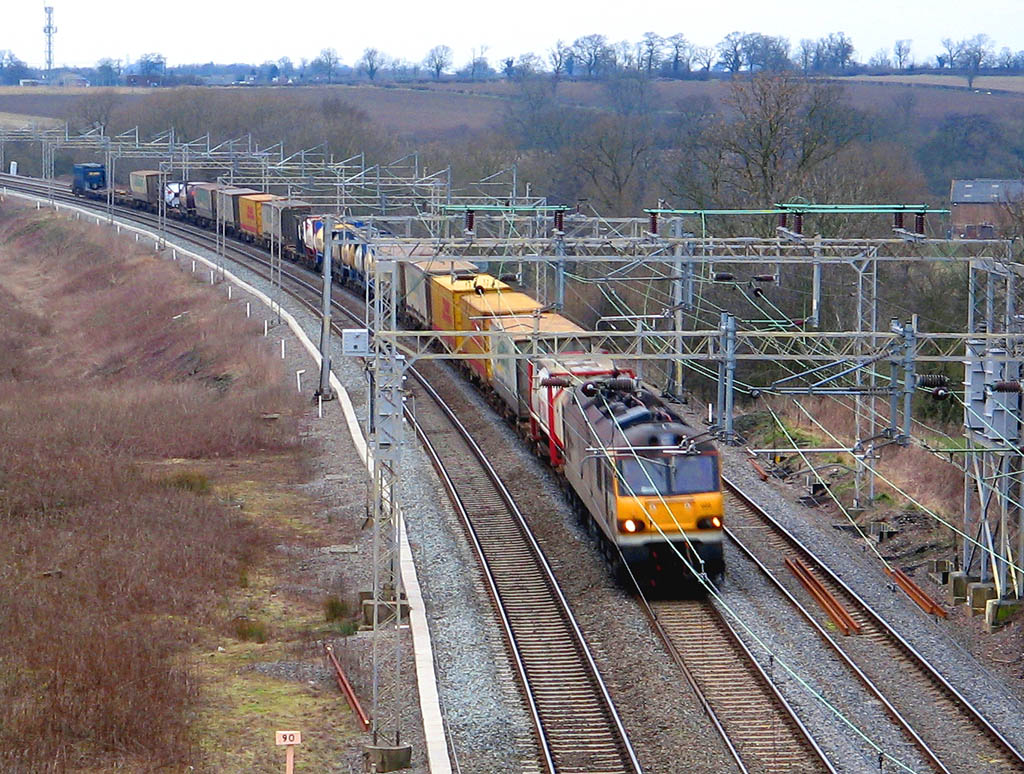
4. How Much Does Container Shipping Cost from China?
| Container Type | Estimated Cost (USD) | Transit Time |
|---|---|---|
| 20GP | $1,200 – $1,800 | 20–30 days |
| 40GP | $2,300 – $3,200 | 20–30 days |
| 40HQ | $2,400 – $3,500 | 20–30 days |
Additionally, costs fluctuate based on season, fuel surcharges, and demand cycles.
5. Should Businesses Use Freight Forwarders with Shipping Lines?
While direct booking with a shipping line is possible, freight forwarders offer:
- Better freight rate negotiations.
- End-to-end supply chain management.
- Documentation and customs clearance.
- Cargo consolidation for SMEs.
Additionally, forwarders act as single contact points, reducing logistical stress.
6. How to Select the Right Shipping Line from China?
Consider the following factors before choosing:
- Coverage in your destination country.
- Track record and reliability.
- Transparent freight rates and fees.
- Customs clearance capabilities.
- Availability of multimodal services.
Ultimately, selecting the right partner ensures cost savings and efficiency.
7.Conclusion
Choosing the right shipping line from China is vital for controlling costs, ensuring timely delivery, and maintaining supply chain efficiency. Sea freight is best for bulk shipments, while air freight suits urgent cargo. Moreover, using the right Incoterm and preparing accurate customs documents helps reduce risks. By working with experienced forwarders and reliable carriers, businesses can achieve smooth and affordable global shipping solutions.
8. Request a Quote
China Top Freight offers:
- ✅ Origin and Destination Countries
- ✅ Cargo Type and Volume
- ✅ Preferred Transport Method (Air, Sea, Rail, Road)
- ✅ Delivery Timeline
- ✅ Special Handling Requirements (if any)
9. FAQ
1. What is the cheapest shipping line from China?
Sea freight LCL with carriers like COSCO or Evergreen is the most affordable for small-to-medium shipments needing shared container space.
2. Can I book directly with a shipping line?
Yes, but freight forwarders often secure better rates, manage customs clearance, and provide added value compared to direct bookings.
3. How do I calculate customs duties for my shipment?
Duties depend on HS codes, product type, and CIF value. Customs calculators or forwarders provide accurate landed cost estimates.
4. Do shipping lines from China offer tracking services?
Most carriers provide digital tracking systems that allow shippers to monitor cargo status from departure to arrival at the destination.
5. What happens if my cargo is delayed at customs?
Delays result in storage or demurrage fees. Accurate documentation and proactive customs management help minimize such risks.