

- By carlie tj
- September 17, 2025
- Logistics Guide
The China-Europe freight train has become a cornerstone of modern trade, linking Asia with Europe through a fast, cost-effective, and eco-friendly route. At China Top Freight, we provide professional rail freight solutions that combine speed, affordability, and reliability, ensuring your cargo moves seamlessly across borders.
1. What Is the China-Europe Freight Train?
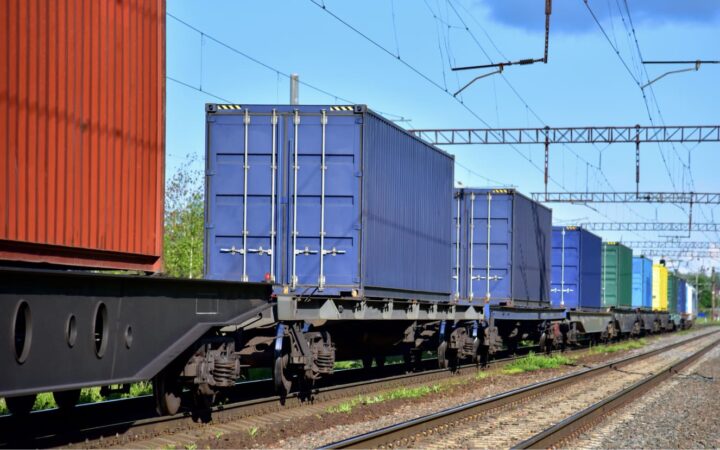
The service connects over 100 Chinese cities with major European hubs like Hamburg, Duisburg, Warsaw, and Madrid. It is part of the Belt and Road Initiative, offering shippers a balanced alternative between sea and air freight.
2. Why Choose the China-Europe Freight Train?
The rail network provides multiple advantages:
- Faster than sea freight: 15–20 days compared to 30–40 days.
- Cheaper than air freight: $2.5–$3.5/kg compared to $5–$8/kg.
- Eco-friendly solution, reducing carbon footprint by up to 80% compared to air.
- Reliable schedules, with weekly departures from major Chinese cities.
3. How Much Does China-Europe Rail Freight Cost?
Costs vary depending on cargo type and destination. On average:
- LCL (Less than Container Load): $50–$80 per CBM.
- FCL (20ft container): $3,000–$4,200.
- FCL (40ft container): $5,800–$6,900.
| Shipping Method | Average Cost | Transit Time | Pros | Cons |
|---|---|---|---|---|
| Air Freight | $5–$8/kg | 3–7 days | Fastest option | High cost |
| Sea Freight | $1,800–$3,500/container | 30–40 days | Economical | Slow |
| Rail Freight | $2.5–$3.5/kg | 15–20 days | Balanced choice | Limited routes |
4. What Documents Are Required for China-Europe Rail Freight?
Correct documentation ensures smooth customs clearance across multiple borders.
Checklist for shippers:
- Commercial invoice
- Packing list
- Rail waybill
- Customs declaration forms
- Certificates of origin or compliance
5. What Factors Influence China-Europe Freight Train Rates?
- Cargo size and weight (FCL vs LCL).
- Route and destination country.
- Customs duties and tariffs.
- Fuel surcharges.
- Peak seasons (e.g., Christmas, Chinese New Year).
6.Is Rail Freight Environmentally Friendly?
Compared to air and even sea shipping, rail freight significantly reduces CO₂ emissions. For companies with sustainability goals, rail freight supports greener supply chains.
At China Top Freight, we specialize in reducing China-Europe freight train costs with efficient consolidation, customs expertise, and reliable door-to-door delivery. Contact us today for a personalized quote tailored to your cargo.
7.Conclusion
The China-Europe freight train offers a reliable, eco-friendly, and cost-effective solution for international trade. With transit times averaging 15–20 days and competitive pricing, it provides the perfect balance between sea and air freight. By partnering with a trusted forwarder like China Top Freight, businesses can ensure smoother customs clearance, optimized costs, and timely deliveries across Europe.
8. Request a Quote
China Top Freight offers:
- ✅ Origin and Destination Countries
- ✅ Cargo Type and Volume
- ✅ Preferred Transport Method (Air, Sea, Rail, Road)
- ✅ Delivery Timeline
- ✅ Special Handling Requirements (if any)
9. FAQ
Q1: How do I book a shipment on the China-Europe freight train?
Work with a freight forwarder who arranges booking, documentation, customs clearance, and delivery to ensure a seamless logistics process.
Q2: Can small businesses benefit from rail freight?
Yes, LCL services allow small shipments to be consolidated, making rail freight affordable and practical for smaller enterprises.
Q3: Are there customs challenges on the China-Europe route?
Multiple border crossings require precise documentation, but experienced forwarders handle customs processes efficiently to prevent unnecessary delays.
Q4: What industries use China-Europe rail freight the most?
Electronics, automotive, machinery, textiles, and retail businesses rely heavily on rail for faster delivery without air freight costs.
Q5: Is cargo insurance necessary for rail shipments?
Insurance is recommended to cover potential risks like theft, damage, or delays, ensuring financial protection for valuable goods.