

- By kelly
- September 17, 2025
- Logistics Guide
Freight from China to Canada: Complete Guide for Importers
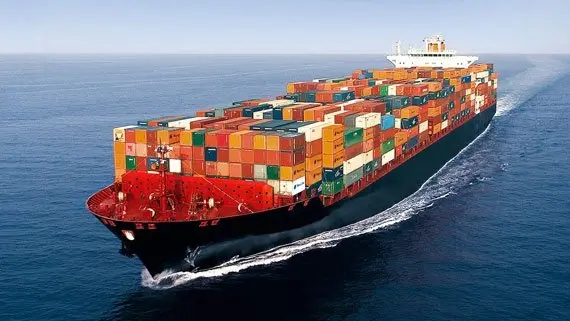
Managing freight from China to Canada can be complex due to varying costs, customs regulations, and transit times. Many businesses face delays, unexpected fees, and confusion about which shipping method is best. However, a professional freight forwarder simplifies the process, ensuring timely deliveries and optimized logistics for Canadian importers.
What Is Freight from China to Canada?
Freight refers to the transportation of goods via sea, air, rail, or courier services between China and Canada. Freight forwarding companies handle booking, customs clearance, documentation, and delivery. Moreover, they negotiate better rates with carriers, helping businesses save costs and avoid delays.
Why Do Importers Need Freight Forwarding from China to Canada?
Shipping goods directly without expert guidance can be risky. Importers benefit from:
- Cost efficiency through consolidated cargo and negotiated carrier rates.
- Customs compliance to prevent clearance delays.
- Transit reliability with optimal routes.
- Risk management through insurance and shipment tracking.
Therefore, freight forwarding helps businesses focus on growth instead of logistics headaches.
How Much Does Freight from China to Canada Cost?
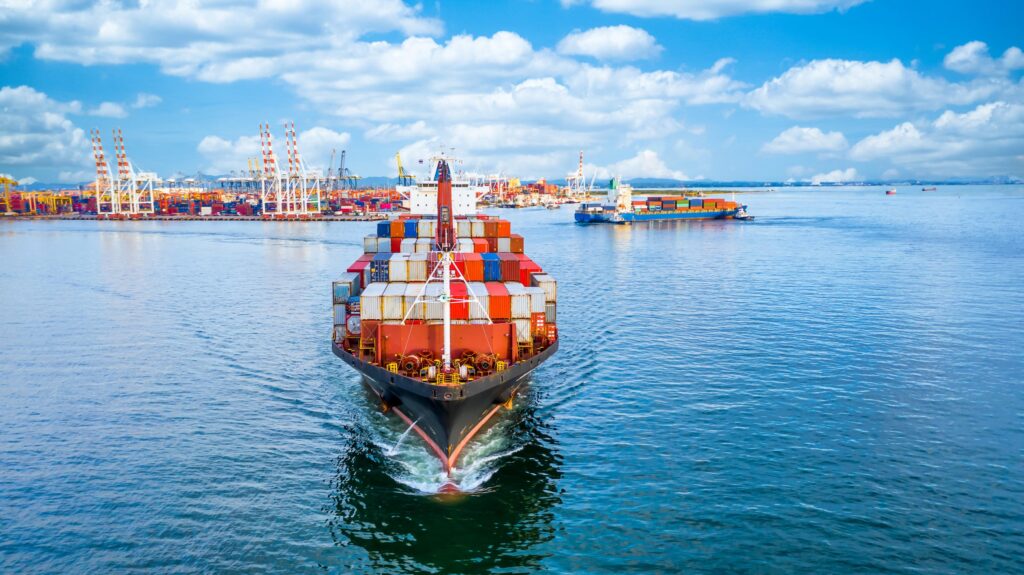
Freight costs vary depending on method, cargo type, and urgency.
| Shipping Method | Average Cost | Transit Time | Pros | Cons |
|---|---|---|---|---|
| Sea Freight (FCL 20ft) | $2,500–$3,800 | 25–40 days | Best for bulk shipments | Longer transit |
| Sea Freight (LCL) | $90–$150 per CBM | 30–45 days | Economical for small loads | Risk of delays |
| Air Freight | $5–$9 per kg | 5–10 days | Fast, secure | High cost |
| Courier (DHL/FedEx/UPS) | $7–$12 per kg | 3–7 days | Door-to-door, fast | Not ideal for bulk |
| Rail Freight (via Europe) | $4,000–$6,000 per container | 20–28 days | Balanced cost/time | Limited routes |
Additionally, peak season surcharges may apply, particularly before holidays like Chinese New Year.
What Documents Are Required for Freight from China to Canada?
Proper documentation is critical for smooth customs clearance.
| Document | Purpose |
|---|---|
| Commercial Invoice | Declares product value and description |
| Packing List | Details packaging, dimensions, and weight |
| Bill of Lading / Airway Bill | Shipment proof |
| Certificate of Origin | Identifies manufacturing country |
| Customs Bond (if required) | Ensures duties and taxes are paid |
| Import Permits | Required for restricted goods |
| Insurance Certificate | Protects against cargo damage/loss |
Therefore, accurate paperwork is essential to avoid delays and penalties.
Should You Choose Sea or Air Freight from China to Canada?
| Mode | Best For | Transit Time | Cost | Pros | Cons |
|---|---|---|---|---|---|
| Sea Freight | Heavy, bulky cargo | 25–45 days | Low | Cheapest per unit | Longest transit |
| Air Freight | Urgent, lightweight goods | 5–10 days | High | Fast & secure | Expensive |
| Courier/Express | E-commerce, small parcels | 3–7 days | Very High | Door-to-door service | Not scalable |
| Rail Freight | Medium cargo via EU routes | 20–28 days | Medium | Balance of time & cost | Limited service |
Moreover, many businesses use a combination of sea and air freight depending on urgency.
Which Ports and Airports Handle China–Canada Freight?
- Major Chinese Ports: Shanghai, Shenzhen, Ningbo, Qingdao, Guangzhou.
- Canadian Ports: Vancouver, Montreal, Prince Rupert, Halifax.
- Chinese Airports: Shanghai Pudong (PVG), Guangzhou Baiyun (CAN), Shenzhen Bao’an (SZX).
- Canadian Airports: Toronto Pearson (YYZ), Vancouver (YVR), Montreal-Trudeau (YUL).
Additionally, Vancouver and Toronto serve as the primary gateways for most cargo.
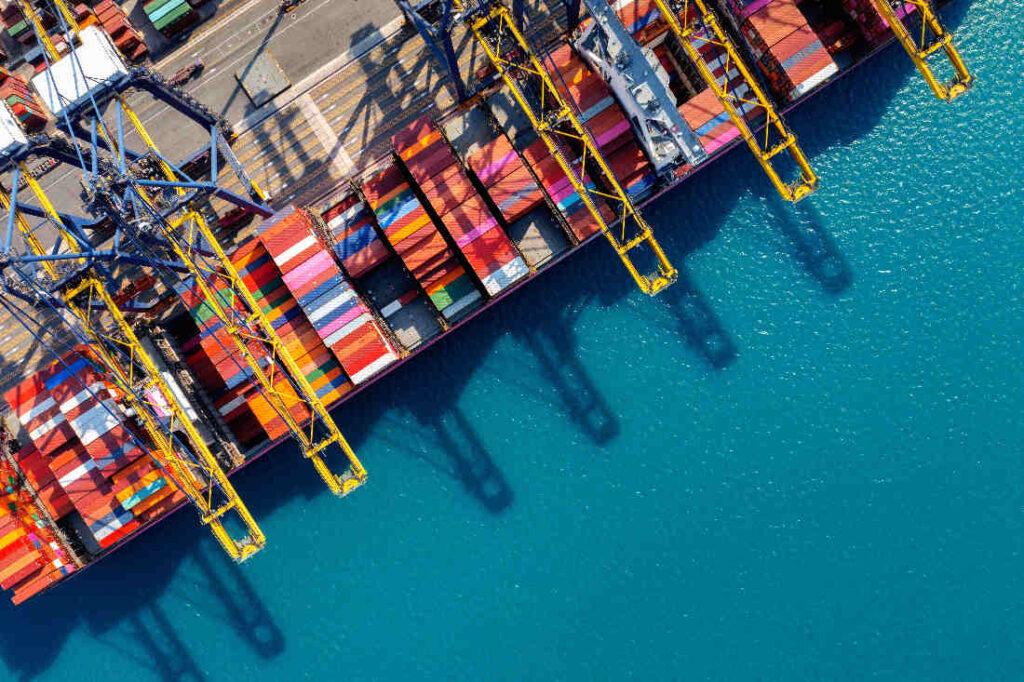
How Do Freight Forwarders Manage Customs Between China and Canada?
Customs procedures can be complex, but freight forwarders assist by:
- Filing import declarations with Canada Border Services Agency (CBSA).
- Ensuring compliance with tariff codes (HS codes).
- Paying duties and GST/HST.
- Coordinating with customs brokers.
- Securing import permits for restricted goods.
Therefore, forwarders reduce the risk of cargo being held at customs.
What Are the Pros and Cons of Freight from China to Canada?
| Pros | Cons |
|---|---|
| Competitive shipping rates | Long lead times for sea freight |
| Multiple transport options | Seasonal delays |
| Strong trade relationship | Documentation complexity |
| Customs clearance support | Higher costs for air freight |
Moreover, Canada’s trade agreements with China encourage smooth logistics despite occasional disruptions.
How to Choose the Best Freight Forwarder for China–Canada Trade?
When selecting a partner, consider:
- Experience with China–Canada shipments.
- Service coverage (FCL, LCL, air, courier).
- Transparent pricing with no hidden fees.
- Strong carrier networks with airlines and shipping lines.
- Technology integration for real-time shipment tracking.
Additionally, importers should request itemized quotes to understand cost structures.
Can Small Businesses Benefit from Freight from China to Canada?
Yes. Small and medium-sized businesses often use:
- LCL shipping to share container costs.
- Courier services for e-commerce and small packages.
- Door-to-door services like DDP for predictable pricing.
Therefore, forwarders make international shipping accessible even for low-volume importers.
What Trends Are Impacting Freight Between China and Canada?
- Digitalization: Online booking and tracking tools.
- Green shipping: Eco-friendly vessels and reduced emissions.
- E-commerce growth: Rising demand for courier and express shipping.
- Tariff fluctuations: Affecting landed costs.
- Multimodal solutions: Combining sea, air, and rail freight.
Moreover, resilient supply chains increasingly rely on forwarders with flexible options.
📦Get a Free Quote
Simplify your logistics by working with a reliable partner for freight from China to Canada. Whether you need cost-effective sea freight, urgent air delivery, or door-to-door courier solutions, the right freight forwarder ensures timely and stress-free imports. Request a tailored quote today to get started.
❓ Frequently Asked Questions
Q1: How long does shipping from China to Canada take?
Sea freight takes 25–45 days, while air freight usually delivers in 5–10 days. Courier services are faster at 3–7 days.
Q2: What is the cheapest way to ship goods from China to Canada?
Sea freight is the most affordable, especially full-container loads (FCL). LCL is cheaper for smaller shipments but slower.
Q3: Do I need a customs broker for imports into Canada?
Yes, most shipments require a licensed customs broker to handle CBSA clearance, duties, and GST/HST payments.
Q4: Can freight forwarders handle DDP shipping from China to Canada?
Yes, many forwarders offer Delivered Duty Paid services, covering customs, duties, and final delivery to the consignee.
Q5: How much is air freight from China to Canada?
On average, $5–$9 per kg, depending on cargo size, carrier, and season. Rates increase during peak shipping periods.
Conclusion
Choosing the right partner for freight from China to Canada ensures predictable costs, smooth customs clearance, and reliable delivery schedules. Whether importing bulk containers or small parcels, forwarders provide solutions tailored to your needs. Therefore, partnering with an experienced logistics provider is the key to a successful supply chain.