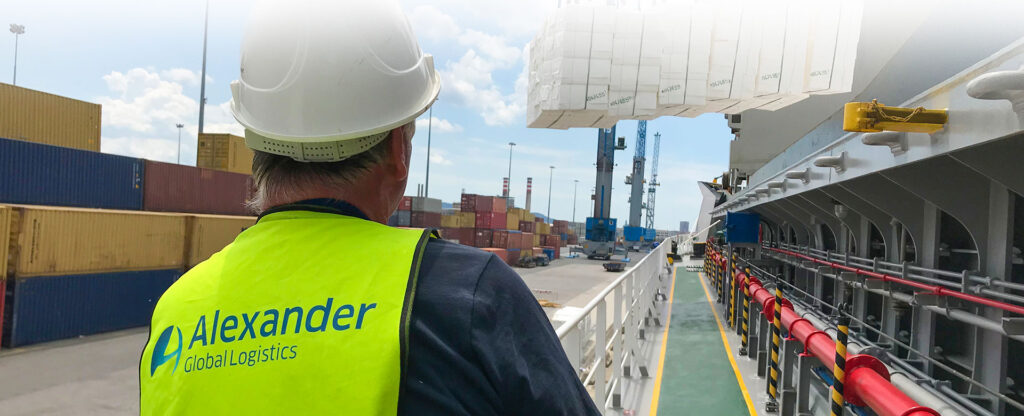
Choosing sea freight from China is the most cost-effective solution for businesses importing goods worldwide. With experienced Chinese freight forwarders managing ocean shipping, customs, and delivery schedules, companies can save on logistics while ensuring smooth supply chains.
Sea freight involves transporting goods by container ships across major global routes. It is ideal for bulk cargo, oversized shipments, or businesses looking for low-cost solutions.
2. Why Choose Sea Freight from China?
Lowest cost per unit for bulk goods
Global trade routes linking China with all continents
Flexible options: FCL (full container load) and LCL (less than container load)
Suitable for heavy, large, and non-urgent shipments
Yes. Freight forwarders in China offer LCL shipping where small shipments are consolidated. This is perfect for e-commerce sellers, startups, or small-volume importers.
9. What Factors Affect Sea Freight Costs?
Global fuel prices and surcharges
Seasonal demand (e.g., pre-holiday peak season)
Port congestion and delays
Trade tariffs and customs duties
Container availability
10. How to Select the Right Freight Forwarder in China?
Compare service coverage (FCL, LCL, door-to-door)
Ensure expertise in customs clearance
Look for digital shipment tracking tools
Check pricing transparency and reliability
11. Pros and Cons of Sea Freight from China
Method
Pros
Cons
Sea Freight
Cheapest for bulk, eco-friendly
Longest transit time
Air Freight
Fast, reliable
Expensive
Courier
Convenient, door-to-door
Costly for heavy goods
12. How to Reduce Sea Freight Costs?
Book early to avoid peak-season surcharges
Consolidate shipments for better rates
Work with trusted freight forwarders
Use nearby ports to save inland costs
Final Thoughts
Sea freight from China remains the backbone of global trade, offering the most affordable way to move goods in large volumes. With proper planning, experienced freight forwarders, and early bookings, businesses can secure reliable delivery while minimizing logistics costs.