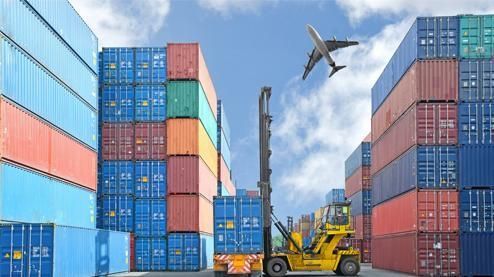
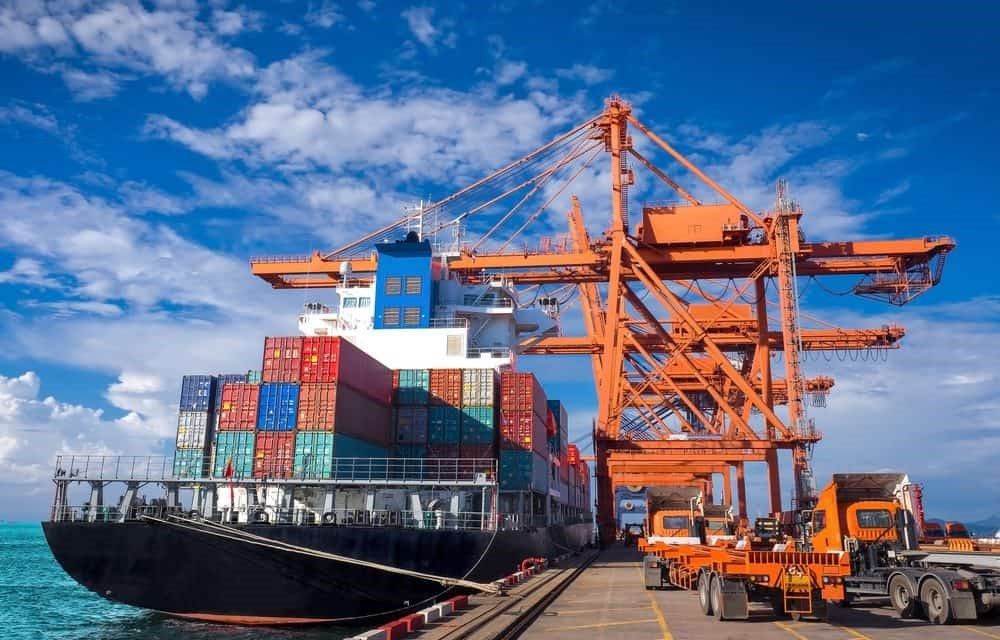
For global traders, ocean freight from China to US is the most cost-effective solution for large-scale imports. However, many importers face challenges with shipping costs, customs delays, and long transit times. Working with reliable freight forwarders who also provide air freight, courier, and rail services ensures smoother logistics, better supply chain planning, and reduced risks.
Import Duty: Typically 0–20%, depending on the product.
Merchandise Processing Fee (MPF): 0.3464% of shipment value.
Harbor Maintenance Fee (HMF): 0.125% for sea shipments.
Moreover, goods subject to trade tariffs (like electronics and textiles) may face higher costs.
7. What Are the Advantages of Ocean Freight?
Low cost per unit for bulk goods.
Flexible container sizes (20ft, 40ft, LCL).
Capacity for all cargo types including hazardous and oversized.
Environmentally efficient compared to air freight.
Although slower, the savings and scalability outweigh the transit time for most importers.
8. Can Small Businesses Use Ocean Freight from China to US?
Yes, small businesses can use LCL shipments, paying only for the space used in a shared container. This method helps SMEs reduce logistics costs without requiring full container volumes.
9. How to Reduce Ocean Freight Costs?
Practical strategies include:
Booking early to avoid peak-season surcharges.
Consolidating shipments into FCL for better per-unit rates.
Optimizing packaging to reduce CBM.
Choosing west coast ports when possible for shorter transit.
Partnering with freight forwarders to secure bulk discounts.
10. Sea Freight vs. Air Freight for China–US Trade
Factor
Sea Freight
Air Freight
Cost
Low
High
Speed
25–40 days
5–10 days
Cargo Volume
Large
Limited
Customs Risk
Moderate
Higher scrutiny
Carbon Footprint
Lower
Higher
11. Future Trends in Ocean Freight from China to US
Digitalization: Online booking and tracking systems improve visibility.
Sustainability: Green shipping fuels and eco-friendly practices.
Infrastructure upgrades: Larger ports in Los Angeles, New York, and Miami.
Policy changes: Trade tariffs and global agreements affecting costs.
These shifts will continue shaping shipping strategies in the coming years.
Final Thoughts
In conclusion, ocean freight from China to US remains the most cost-efficient shipping option for importers handling large cargo volumes. Despite longer transit times compared to air freight, it offers unbeatable affordability, flexibility, and scalability. By working with experienced freight forwarders, preparing accurate documents, and optimizing container usage, businesses can secure smooth customs clearance and timely delivery to US markets.