

China Logistics Company Bulk Shipping: 2024 Strategic Guide
Navigating the complexities of global trade requires a reliable China Top Freight partner to ensure operational efficiency. Many businesses face significant challenges with rising shipping costs and inconsistent delivery schedules when moving large cargo volumes. This guide provides a detailed analysis of how a professional China logistics company bulk shipping service can optimize your supply chain and improve your bottom line.
Why Should You Partner with a China Logistics Company Bulk Shipping Expert?
Managing large-scale shipments independently often leads to administrative bottlenecks and increased overhead costs. Furthermore, local expertise is essential for navigating the regulatory landscape of Chinese ports and international waters. A specialized provider streamlines the entire process, ensuring that your bulk cargo moves from the factory floor to the destination without unnecessary delays.
Moreover, professional logistics firms offer access to discounted freight rates through established relationships with major carriers. Consequently, businesses can leverage these economies of scale to reduce their total landed costs significantly. They also provide comprehensive cargo handling services that protect your investment during transit.
Additionally, choosing a partner with a deep understanding of sea freight regulations ensures compliance with all maritime laws. This proactive approach minimizes the risk of port seizures or heavy fines. Reliable logistics providers also offer real-time tracking, giving you peace of mind throughout the shipping journey.
How to Evaluate the Best China Logistics Company Bulk Shipping Services?
Selecting the right partner involves more than just comparing the lowest price quotes available on the market. Specifically, you must assess their experience in handling your specific type of cargo, whether it is industrial machinery or raw materials. A company with a proven track record in bulk shipping will have the necessary equipment and terminal contacts to manage heavy loads.
Furthermore, verify their ability to provide comprehensive customs brokerage services to avoid documentation errors. Incomplete paperwork is one of the primary causes of shipment delays in international trade. Therefore, an expert team that handles all filings accurately is an invaluable asset to your business.
Meanwhile, consider the geographical reach of the logistics provider to ensure they can manage your specific routes. Many companies specialize in certain regions, such as North America or Europe, providing better local support at the destination. Always ask for references and case studies to validate their performance in high-volume logistics scenarios.
What are the Primary Methods for Bulk Shipping from China?
Different cargo types require specific transport methods to balance speed, cost, and safety effectively. For instance, most high-volume goods utilize ocean transport due to its high capacity and relatively low cost per unit. However, land-based options are becoming increasingly popular for shipments moving toward Central Asia and Europe.
Consequently, many importers now consider rail freight as a middle-ground solution between sea and air transport. This method offers faster transit times than ships while remaining much more affordable than planes. It is particularly effective for heavy industrial goods that are time-sensitive but too bulky for air travel.
Alternatively, for the most urgent bulk requirements, air freight remains the fastest option available globally. While the cost is significantly higher, it is often justified for high-value components or critical supply chain shortages. The following table compares these primary methods to help you decide which fits your current business needs.
| Method | Best For | Cost Level | Transit Time |
| Method | Best For | Cost Level | Transit Time |
| Method | Best For | Cost Level | Transit Time |
How Does Sea Freight Compare to Other Shipping Options?
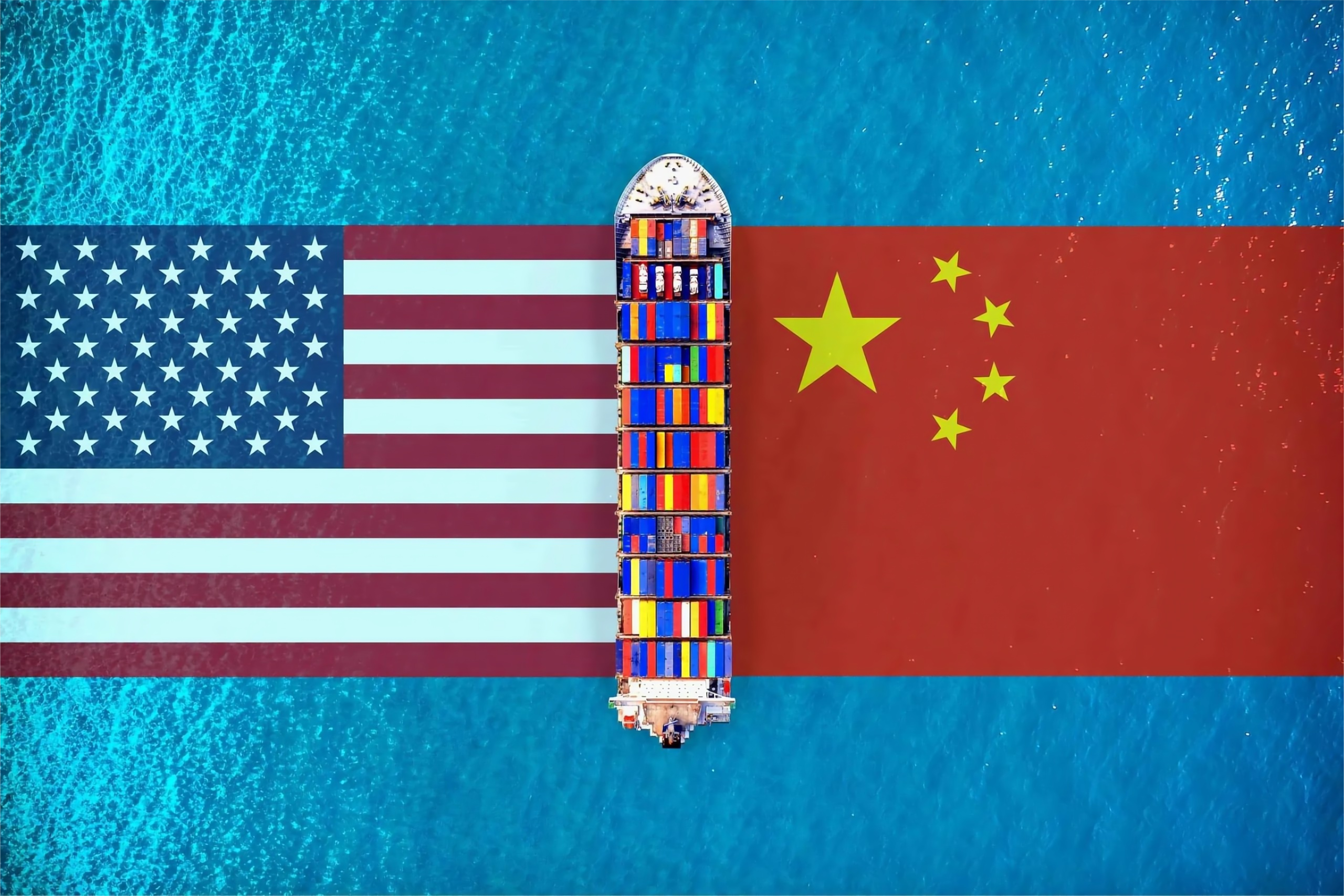
Ocean transport serves as the backbone of the China logistics company bulk shipping industry due to its unmatched scale. While sea freight costs roughly $2,000 to $4,000 for a 40HQ container to major Western ports, air freight for the same volume would exceed $20,000. This massive price disparity makes sea transport the only viable option for most bulk commodities.
On the other hand, sea freight is subject to seasonal weather patterns and port congestion which can extend transit times. Direct routes typically cost 10 percent more but save up to a week compared to transshipment through intermediate hubs like Singapore. Understanding these trade-offs is essential for planning your inventory cycles and meeting customer demands.
Moreover, for shipments under 15 CBM, Less than Container Load (LCL) options might seem attractive. However, for true bulk shipping, Full Container Load (FCL) provides better security and lower handling risks. The table below provides an objective analysis of the viable alternatives for bulk cargo movement.
| Cost Range | Limitations | Transit Time | Shipping Option |
| Cost Range | Limitations | Transit Time | Shipping Option |
| Cost Range | Limitations | Transit Time | Shipping Option |
| Cost Range | Limitations | Transit Time | Shipping Option |
Understanding Bulk Shipping Costs and Market Trends
Freight rates are highly volatile and influenced by factors such as fuel surcharges, carrier capacity, and global geopolitical events. As of early 2024, market data suggests that rates have stabilized following previous disruptions, though peak season spikes still occur. Typically, costs increase by 15 to 25 percent during the August to October period due to holiday demand.
Furthermore, the port of loading in China can significantly impact your final quote. Major hubs like Shanghai, Shenzhen, and Ningbo offer the most competitive rates due to high vessel frequency. Choosing a smaller, inland port might reduce trucking costs but could lead to higher ocean freight fees and longer waiting times.
Note: Freight rates are subject to change based on fuel costs, carrier capacity, and seasonal demand. Contact us for a current quote tailored to your specific shipment. Market intelligence indicates that diversifying your port options can lead to significant savings over time.
| Route | Avg. Transit | 20GP Container | 40HQ Container |
| Route | Avg. Transit | 20GP Container | 40HQ Container |
| Route | Avg. Transit | 20GP Container | 40HQ Container |
Which Option Should You Choose? Decision Framework
Determining the best shipping strategy requires a clear understanding of your business priorities and cargo characteristics. If your primary goal is budget optimization, sea freight FCL remains the undisputed leader for bulk movements. Conversely, if speed is the critical factor for a production line, rail or air freight must be considered despite the higher costs.
Moreover, consider the volume thresholds when switching between methods. For shipments exceeding 15 CBM, FCL is almost always more economical than LCL due to the flat-rate container pricing. Additionally, heavy cargo that exceeds standard weight limits may require specialized breakbulk vessels rather than traditional container ships.
Specifically, follow these criteria: Choose Sea for maximum savings on non-urgent goods; Choose Rail for landlocked destinations in Europe; Choose Air for high-value or emergency restocking. Hybrid solutions, such as sea-air combinations via Dubai, can also offer a balance of speed and cost for certain routes.

Real-World Case Studies for Bulk Cargo
Case Study 1: Large Scale Furniture Export
Route: Foshan, China to Los Angeles, USA. Cargo: Residential Furniture, 68 CBM, 12,000 kg. Container: 40HQ. Shipping Details: Carrier: COSCO, Port of Loading: Shenzhen, Port of Discharge: Los Angeles, Route Type: Direct. Cost Breakdown: Ocean Freight: $3,100; Origin Charges: $450; Destination Charges: $600; Total Landed Cost: $4,150. Timeline: Booking to Loading: 4 days; Sea Transit: 15 days; Customs Clearance: 3 days; Total Door-to-Door: 22 days. Key Insight: Utilizing a direct route from Shenzhen saved 6 days compared to transshipment options.
Case Study 2: Industrial Machinery to Germany
Route: Shanghai, China to Hamburg, Germany. Cargo: Precision Lathes, 25 CBM, 8,500 kg. Container: 20GP. Shipping Details: Carrier: Maersk, Port of Loading: Shanghai, Port of Discharge: Hamburg, Route Type: Direct. Cost Breakdown: Ocean Freight: $2,200; Origin Charges: $400; Destination Charges: $550; Total Landed Cost: $3,150. Timeline: Booking to Loading: 5 days; Sea Transit: 32 days; Customs Clearance: 4 days; Total Door-to-Door: 41 days. Key Insight: Proper crating and moisture protection were critical for the 32-day sea voyage.
The Importance of Door to Door Solutions in Bulk Shipping
Implementing a door to door strategy simplifies the logistics chain by consolidating multiple service providers into a single point of contact. This approach reduces the risk of communication gaps between truckers, warehouse staff, and ocean carriers. Consequently, the overall efficiency of the cargo handling process improves, leading to more predictable delivery windows.
Furthermore, a single-source provider can better manage the transition between different transport modes. For example, they can coordinate the pickup from a remote factory in China and ensure the cargo arrives at the port just in time for the vessel loading. This synchronization minimizes storage fees and prevents the cargo from sitting idle in congested terminals.
Finally, comprehensive door-to-door services often include final-mile delivery at the destination. This means you do not need to find a local trucking company in a foreign country to handle the heavy lifting. The logistics provider manages everything from the factory floor to your warehouse shelf, allowing you to focus on your core business operations.
Final Thoughts on Bulk Shipping Efficiency
To summarize, success in international trade depends heavily on selecting a China logistics company bulk shipping expert that understands your unique needs. By analyzing the various shipping methods, market trends, and cost structures, you can make informed decisions that protect your profit margins. Remember that the cheapest option is not always the most efficient when hidden delays and handling risks are considered.
Investing in a reliable partnership ensures that your bulk cargo is handled with professionalism and care. Whether you choose sea, rail, or air freight, the right logistics provider will navigate the complexities of customs and international regulations on your behalf. Start optimizing your supply chain today to achieve long-term growth and stability in the global marketplace.
Ready to streamline your logistics?
Streamline your international trade operations today with a professional China logistics company bulk shipping partner. Our team offers tailored solutions to reduce your freight costs and improve transit security. Contact China Top Freight for a customized quote and expert guidance on your next large-scale shipment. Visit our website to learn more about our comprehensive logistics services.
Request Quote