

- By carlie tj
- September 22, 2025
- Logistics Guide
Finding reliable freight forwarders from China is essential for businesses managing global supply chains. With rising shipping costs, customs complexities, and unpredictable transit times, importers need trusted partners to ensure seamless cargo movement. Partnering with experts like China Top Freight helps businesses reduce risks, optimize shipping routes, and achieve cost efficiency. This guide covers everything from shipping methods to customs clearance and pricing strategies.
1. What Do Freight Forwarders from China Handle?
Freight forwarders are logistics professionals who act as intermediaries between shippers and carriers. Their services typically include:
- Booking air, sea, and courier freight services
- Managing import/export documentation
- Handling customs clearance in China and destination countries
- Consolidating LCL shipments for cost efficiency
- Offering door-to-door solutions with cargo tracking
2. Why Should Businesses Use Freight Forwarders from China?
Importing goods from China without expert support can be risky. However, using freight forwarders ensures:
- Lower Costs: Negotiated rates with shipping lines and airlines
- Faster Processing: Streamlined customs clearance procedures
- Flexibility: Multiple options for shipping methods and Incoterms
- Reliability: Reduced risk of delays, fines, or compliance issues
3. What Shipping Methods Do Freight Forwarders from China Offer?
| Shipping Method | Average Cost | Transit Time | Pros | Cons |
|---|---|---|---|---|
| Sea Freight | $1,200–$2,500 per 20ft | 25–40 days | Cheapest for bulk cargo | Slow, risk of port delays |
| Air Freight | $5–$8 per kg | 5–9 days | Fast and reliable | Expensive for large goods |
| Courier (DHL/UPS/FedEx) | $7–$12 per kg | 3–6 days | Convenient door-to-door | Costly for heavy cargo |
| Rail Freight (to Europe) | $2,500–$3,200 per 40ft | 15–20 days | Balance of speed & cost | Limited destinations |
📌4.What Customs Documents Are Needed for Chinese Exports?
To avoid clearance delays, prepare:
- Commercial Invoice
- Packing List
- Bill of Lading / Air Waybill
- Certificate of Origin (if required)
- Import License (for restricted items)
- HS Codes for accurate classification
✔️5.Which Incoterms Are Common for Shipments from China?
- FOB (Free on Board): Seller delivers to port; buyer manages shipping.
- CIF (Cost, Insurance & Freight): Seller pays until destination port.
- DDP (Delivered Duty Paid): Seller handles duties, taxes, and delivery.
For importers new to Chinese trade, CIF and DDP are often the most practical.
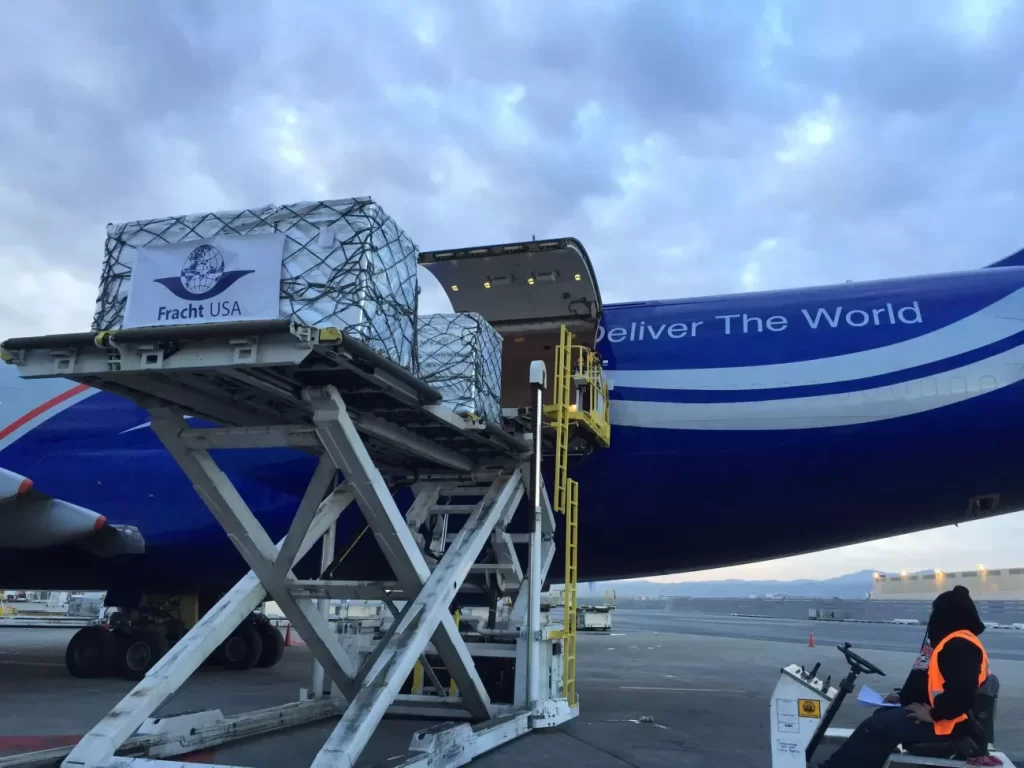
6. How to Select the Best Freight Forwarders from China?
When choosing a forwarder, consider:
- Experience with international trade regulations
- Transparent and competitive pricing
- Strong partnerships with carriers
- Customs clearance expertise
- Real-time tracking and reporting tools
Partnering with reliable freight forwarders from China reduces costs, simplifies customs, and ensures timely deliveries. Contact China Top Freight today to request a tailored shipping solution that aligns with your business needs.
7.Conclusion
International trade requires careful planning and reliable partners. Choosing professional freight forwarders from China allows businesses to minimize costs, shorten transit times, and ensure compliance with customs regulations. Whether shipping by sea, air, rail, or courier, experienced forwarders like China Top Freight deliver tailored solutions for global supply chains.
8. Request a Quote
China Top Freight offers:
- ✅ Origin and Destination Countries
- ✅ Cargo Type and Volume
- ✅ Preferred Transport Method (Air, Sea, Rail, Road)
- ✅ Delivery Timeline
- ✅ Special Handling Requirements (if any)
💬9. FAQ
Q1: What is the most affordable way to ship from China?
Sea freight is the cheapest option for full containers, making it ideal for bulk shipments where speed is not a critical factor.
Q2: Can small businesses use freight forwarders effectively?
Freight forwarders help SMEs with LCL shipments, customs support, and flexible delivery, ensuring affordable access to global trade networks.
Q3: How do seasonal peaks impact freight costs from China?
During Chinese New Year and holiday seasons, rates typically rise due to higher demand, reduced vessel space, and limited carrier availability.
Q4: What is the role of freight forwarders in customs clearance?
Forwarders prepare and submit required documents, classify goods under HS codes, and coordinate with customs brokers to reduce clearance delays.
Q5: Which Incoterm is best for beginners importing from China?
Delivered Duty Paid (DDP) is often best since the seller or forwarder handles duties, taxes, and delivery directly to the importer’s location.