

- By kelly
- September 22, 2025
- Logistics Guide
Sea Freight from China to Malaysia: Costs, Transit Times, and Complete Guide
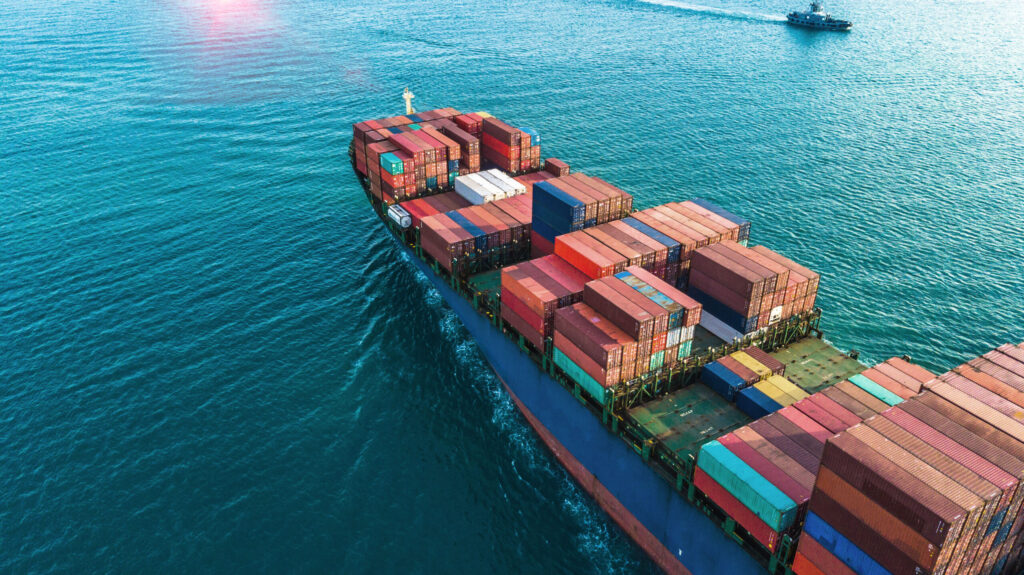
Sea freight from China to Malaysia is one of the most efficient and affordable logistics solutions for importers in Southeast Asia. With regular sailings, competitive container prices, and strong trade relations, ocean freight remains the top choice for businesses seeking reliable supply chain operations. However, understanding costs, routes, and customs procedures is essential to avoid delays and minimize expenses.
Why Choose Sea Freight from China to Malaysia?
Sea freight is the backbone of trade between China and Malaysia. Compared to air freight, it provides much larger capacity at lower costs. Moreover, Malaysia’s strategic ports like Port Klang, Penang, and Johor make it convenient to distribute goods across the country.
How Much Does Sea Freight from China to Malaysia Cost?
Costs vary depending on container type, shipping line, season, and cargo volume. FCL (Full Container Load) is more economical for large shipments, while LCL (Less than Container Load) is ideal for smaller consignments.
Average Container Pricing
| Container Type | Estimated Cost (USD) | Best For |
|---|---|---|
| 20ft FCL | $500 – $900 | Small to medium shipments |
| 40ft FCL | $900 – $1,400 | Large shipments |
| LCL (per CBM) | $40 – $70 | Small or shared cargo loads |
Note: Rates fluctuate due to fuel prices, demand, and seasonal surcharges.
How Long Does Sea Freight from China to Malaysia Take?
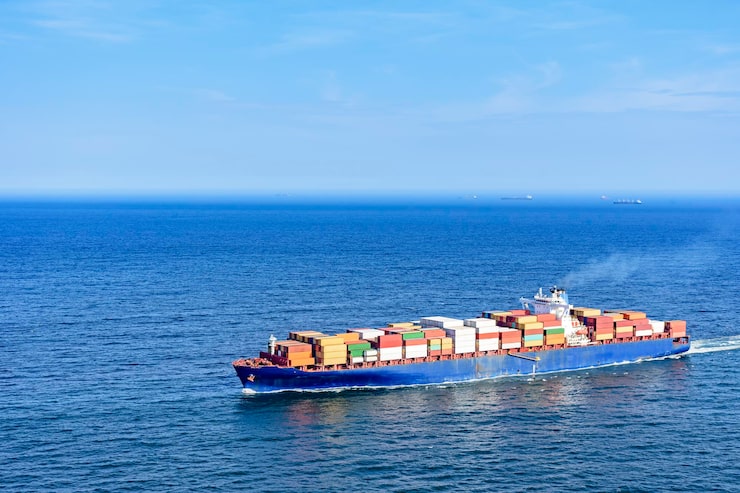
Transit times depend on the port of origin and destination.
| Route | Origin Port | Destination Port | Transit Time |
|---|---|---|---|
| East China → West Malaysia | Shanghai → Port Klang | Port Klang | 7–10 days |
| South China → West Malaysia | Shenzhen → Johor (TPP) | Johor | 4–7 days |
| East China → Peninsular Malaysia | Ningbo → Penang | Penang | 6–9 days |
| North China → West Malaysia | Qingdao → Port Klang | Port Klang | 9–12 days |
What Documents Are Needed for Import to Malaysia?
Proper documentation ensures smooth customs clearance.
| Document | Purpose |
|---|---|
| Bill of Lading | Proof of shipment |
| Commercial Invoice | Declares cargo value |
| Packing List | Cargo details |
| Certificate of Origin | Confirms source country |
| Import Declaration (Malaysia Customs) | Required for clearance |
| Import Permits (if applicable) | For restricted goods |
What Are the Pros and Cons of Sea Freight vs Air Freight?
| Method | Cost | Transit Time | Best For | Limitations |
|---|---|---|---|---|
| Sea Freight | Low | 4–12 days | Bulk cargo, containers, non-urgent goods | Slower than air freight |
| Air Freight | High | 1–3 days | Urgent, perishable, high-value cargo | Costly for heavy loads |
| Rail Freight | Medium | Not direct | Available for China–Europe, not Malaysia | No direct rail route to Malaysia |
Which Malaysian Ports Handle Cargo from China?
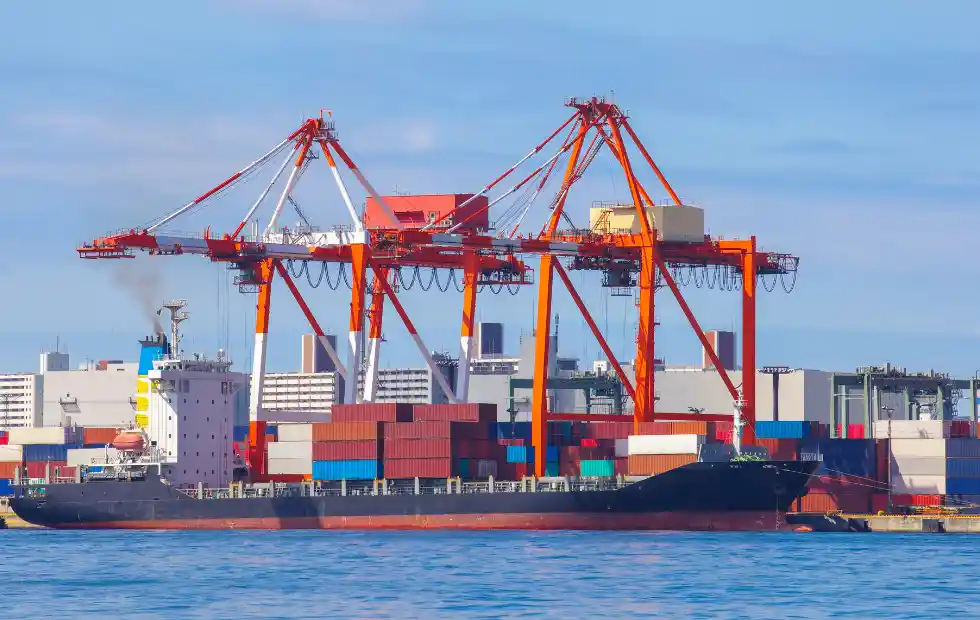
- Port Klang (Kelang) – Malaysia’s busiest port, near Kuala Lumpur.
- Johor (TPP / Pasir Gudang) – Ideal for shipments to southern Malaysia and Singapore.
- Penang Port – Convenient for northern Peninsular Malaysia.
- Kuantan & Kuching Ports – Used for East Malaysia shipments.
How to Reduce Sea Freight Costs from China to Malaysia?
- Book in advance to avoid last-minute high rates.
- Choose FCL if volume exceeds 15 CBM.
- Use consolidation services for smaller LCL shipments.
- Negotiate seasonal contracts with a freight forwarder.
- Pick the nearest destination port to reduce inland transport.
Can Incoterms Affect Sea Freight Cost?
Yes. Incoterms define responsibilities between buyer and seller.
- FOB (Free on Board) – Buyer pays for freight after goods are loaded.
- CIF (Cost, Insurance & Freight) – Seller includes freight and insurance.
- DAP/DDP – Seller covers delivery up to buyer’s door.
Choosing the right Incoterm impacts your total logistics costs.
Customs Duties & Taxes in Malaysia
Duties are based on:
- HS code classification of goods
- Declared CIF value (Cost + Insurance + Freight)
- Applicable GST or import taxes
- Additional tariffs on restricted products
Trade Trends Between China and Malaysia
- China is Malaysia’s largest trading partner.
- Main imports include electronics, machinery, steel, and textiles.
- Growth of e-commerce trade has boosted LCL shipments.
- Belt and Road Initiative projects enhance port connectivity.
📦Get a Free Quote
If you are shipping regularly, partnering with an experienced freight forwarder ensures smooth operations, competitive pricing, and hassle-free customs clearance. Get a free quote today for sea freight from China to Malaysia and optimize your shipping process.
❓ Frequently Asked Questions
1. What is the cheapest way to ship from China to Malaysia?
Sea freight, particularly FCL, is the most cost-effective method for bulk cargo, offering the lowest per-unit shipping rates.
2. How long does sea freight from China to Malaysia take?
Depending on the port pair, transit time ranges between 4 and 12 days. Shenzhen to Johor is the fastest route.
3. Can small businesses use sea freight from China to Malaysia?
Yes. LCL shipping allows small businesses to share containers, making sea freight affordable for shipments under 15 CBM.
4. Do I need insurance for sea shipments?
While not mandatory, cargo insurance is strongly recommended to protect against potential damage, loss, or delays.
5. What are Malaysia’s busiest ports for imports from China?
Port Klang, Johor (TPP), and Penang handle the majority of sea freight arriving from China.
Conclusion
Sea freight from China to Malaysia is the backbone of trade between the two countries, providing low-cost, high-volume shipping solutions. With transit times as short as 4 days, multiple port options, and flexible shipping methods, it’s the preferred choice for importers. However, choosing the right freight forwarder, preparing proper documents, and planning routes effectively will ensure smooth logistics.