

- By kelly
- September 25, 2025
- Logistics Guide
Sea Freight from China to Nigeria: Complete Guide for Importers
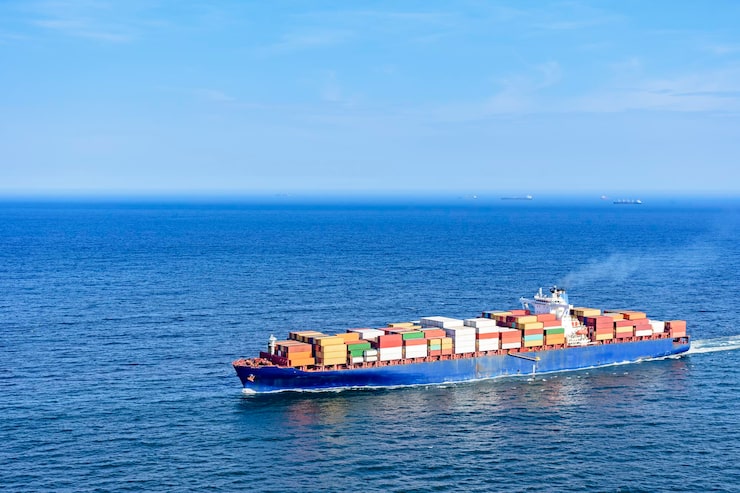
Shipping goods across continents requires careful planning, and sea freight from China to Nigeria remains one of the most reliable and cost-effective solutions. However, many importers face challenges such as fluctuating rates, long transit times, and complex customs procedures. This article provides a detailed guide to help businesses navigate shipping, compare options, and optimize their supply chain.
1. Why Choose Sea Freight from China to Nigeria?
Sea freight is the most widely used method for transporting bulk goods between China and Nigeria. Compared to air freight, it offers:
- Lower costs for large cargo volumes
- Flexible container options (FCL & LCL)
- Coverage of major Nigerian ports such as Lagos (Apapa, Tin Can Island) and Port Harcourt
Moreover, Nigerian importers benefit from regular vessel schedules, making it easier to plan shipments.
2. How Long Does Sea Freight from China to Nigeria Take?
Transit time depends on the origin port in China, the Nigerian destination, and shipping routes.
| Route | Average Transit Time | Notes |
|---|---|---|
| Shanghai – Lagos | 35–45 days | Most common trade route |
| Ningbo – Port Harcourt | 38–48 days | Slightly longer due to routing |
| Shenzhen – Lagos | 30–40 days | Faster route, popular for electronics |
| Qingdao – Lagos | 40–50 days | Longer distance, higher cost |
Although sea freight is slower than air cargo, it is significantly cheaper for bulk shipments.
3. What Is the Cost of Sea Freight from China to Nigeria?

Freight rates vary depending on container type, cargo size, and seasonal demand.
| Shipping Option | Average Cost (USD) | Best For | Pros | Cons |
|---|---|---|---|---|
| FCL 20ft | $3,000–$4,200 | Large shipments | Cost-effective per unit | Requires full container load |
| FCL 40ft | $5,200–$7,000 | Bulk importers | Lower unit shipping cost | High upfront cost |
| LCL (per CBM) | $150–$200/CBM | Small businesses | No need for full container | Longer handling, higher risk of damage |
Note: Rates fluctuate due to oil prices, port congestion, and peak season demand.
4. FCL vs LCL: Which Option Should You Choose?
Full Container Load (FCL)
- Ideal for businesses importing more than 15–20 CBM of cargo
- Safer, as goods are not mixed with other shipments
- Faster customs clearance
Less than Container Load (LCL)
- Suitable for small to medium-sized shipments
- Shared container space reduces cost for smaller volumes
- However, longer transit due to consolidation and deconsolidation
5. Which Chinese Ports Are Common for Shipping to Nigeria?
China’s extensive port network provides multiple options:
- Shanghai Port – Largest container port, cost-efficient routes
- Shenzhen Port – Preferred for electronics and textiles
- Ningbo Port – Handles high cargo volume with competitive pricing
- Qingdao Port – Convenient for northern China manufacturers
6. Which Nigerian Ports Receive Cargo from China?
- Lagos (Apapa & Tin Can Island) – Main entry point for most imports
- Port Harcourt – Suitable for cargo headed to Eastern Nigeria
- Onne Port – Growing importance in oil and gas imports
7. What Documents Are Required for Sea Freight from China to Nigeria?
Proper documentation ensures smooth customs clearance.
| Document | Purpose |
|---|---|
| Bill of Lading (B/L) | Proof of shipment & ownership |
| Commercial Invoice | Declares value of goods |
| Packing List | Details cargo content & packaging |
| Form M | Nigerian import approval form |
| SONCAP Certificate | Mandatory for product quality compliance |
| Customs Declaration | Required for duty assessment |
8. Customs Duties & Import Regulations in Nigeria
Importers must comply with Nigerian Customs Service (NCS) regulations:
- Import Duties: Range from 5%–35% depending on HS Code
- Value Added Tax (VAT): 7.5% applied on imports
- Prohibited Goods: Some items such as certain food, arms, and used clothing require special permits or are banned
Failure to meet requirements often leads to cargo delays or fines.
9. Comparing Sea Freight with Other Shipping Modes
| Mode | Transit Time | Cost | Best For |
|---|---|---|---|
| Sea Freight | 30–50 days | Low | Bulk goods, machinery, raw materials |
| Air Freight | 5–10 days | High | Urgent cargo, electronics, perishables |
| Rail Freight (via China-Europe-Nigeria transshipment) | 20–25 days | Medium-High | Limited usage, not direct |
| Courier/Express | 3–7 days | Very High | Small parcels, samples |
10. How to Reduce Sea Freight Costs from China to Nigeria?
- Book early to avoid peak season surcharges
- Choose FCL if volume exceeds 15 CBM
- Work with a freight forwarder for consolidated rates
- Ship from nearby Chinese ports to reduce inland trucking fees
- Use long-term contracts with carriers for stable rates
11. Common Challenges in Sea Freight from China to Nigeria
- Port congestion in Lagos causes delays
- Fluctuating freight rates increase budgeting difficulties
- Customs clearance delays due to documentation errors
- Cargo damage risks during LCL consolidation
However, reliable freight forwarders can help minimize these challenges.
12. Should You Work with a Freight Forwarder for Sea Freight?
Yes. Freight forwarders manage the entire logistics process including booking, documentation, customs clearance, and last-mile delivery. This reduces stress for importers and ensures compliance with Nigerian regulations.
📦Get a Free Quote
Partnering with a trusted logistics company for sea freight from China to Nigeria ensures cost efficiency, reliable transit times, and smooth customs clearance. Contact our team today for expert assistance and competitive rates tailored to your business needs.
❓ Frequently Asked Questions
Q1: What is the average cost of sea freight from China to Nigeria?
The cost ranges from $3,000–$7,000 per container for FCL and $150–$200/CBM for LCL, depending on cargo size, season, and port congestion.
Q2: How long does it take for goods to ship from China to Nigeria by sea?
Transit usually takes 30–50 days depending on the port of origin in China, the Nigerian destination port, and vessel schedules.
Q3: Which documents are mandatory for sea freight to Nigeria?
Key documents include Bill of Lading, Commercial Invoice, Packing List, Form M, SONCAP Certificate, and Customs Declaration for clearance.
Q4: Can I ship small goods by sea freight from China to Nigeria?
Yes. Importers with less than 15 CBM can use LCL shipping, sharing container space, though it involves longer handling times.
Q5: What is SONCAP, and why is it important?
SONCAP (Standards Organisation of Nigeria Conformity Assessment Program) ensures imported goods meet Nigerian quality and safety standards. It is mandatory for many products.
Conclusion
In summary, sea freight from China to Nigeria is the most practical choice for businesses shipping bulk goods. While it involves longer transit times than air freight, the cost savings, flexibility, and efficiency make it ideal for importers. By understanding costs, required documents, and customs regulations, businesses can avoid delays and optimize their logistics. Partnering with a professional freight forwarder ensures smoother operations and better shipping rates.