

- By carlie tj
- September 25, 2025
- Logistics Guide
For many importers, the key concern is how long does sea freight take from China to Australia, as this impacts inventory planning and overall supply chain efficiency. At China Top Freight, we provide expert logistics services that ensure your goods are delivered on time, cost-effectively, and with full visibility.
1. What Is Sea Freight from China to Australia?
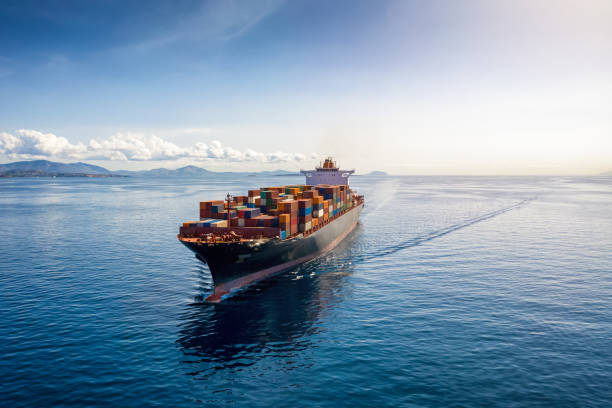
Sea freight is the most common shipping method for moving goods between China and Australia due to cost efficiency and high cargo capacity.
- Transit Time: Typically 18–30 days depending on port pairings.
- Shipping Options: Full Container Load (FCL) and Less than Container Load (LCL).
- Major Ports in China: Shanghai, Shenzhen, Ningbo, Guangzhou, Qingdao.
- Major Ports in Australia: Sydney, Melbourne, Brisbane, Fremantle.
This method is ideal for bulk shipments, heavy cargo, and goods where lower costs are more important than fast delivery.
2. How Long Does Sea Freight from China to Australia Take by Route?
Transit time depends on the specific origin and destination ports.
| Route (China → Australia) | Average Transit Time |
|---|---|
| Shanghai → Sydney | 18–22 days |
| Ningbo → Melbourne | 20–24 days |
| Shenzhen → Brisbane | 18–23 days |
| Guangzhou → Fremantle | 22–26 days |
| Qingdao → Melbourne | 25–30 days |
These times represent sailing schedules and may extend due to customs or port congestion.
3. How Much Does Sea Freight Cost from China to Australia?
Costs vary depending on the type of container, cargo volume, and market conditions.
- FCL (20ft container): $1,200–$2,500.
- FCL (40ft container): $2,000–$4,500.
- LCL (per cubic meter): $60–$100.
Additional charges may include fuel surcharges, port fees, and customs duties.
4. How Long Does Customs Clearance Add to Shipping Timelines?
Customs clearance is an essential step and can add days to delivery times.
- Export clearance in China: 1–3 days.
- Import clearance in Australia: 2–5 days.
Customs Documents Checklist
- Commercial Invoice
- Packing List
- Bill of Lading (B/L)
- Certificate of Origin
- Import licenses (if required)
5. Which Types of Goods Are Best for Sea Freight?
Sea freight is suitable for:
- Furniture and homeware.
- Textiles and clothing.
- Industrial machinery and equipment.
- Automotive parts.
- Bulk raw materials (metals, chemicals, plastics).
Perishable goods may require refrigerated (reefer) containers to ensure freshness.
6. Should You Choose Sea Freight for China–Australia Trade?
Sea freight is the best choice if:
- You ship heavy or bulky goods.
- Cost efficiency outweighs speed.
- Delivery deadlines allow for longer transit.
It is the most scalable and economical method for businesses trading between China and Australia.
At China Top Freight, we provide reliable sea freight from China to Australia with competitive pricing, professional customs support, and end-to-end logistics solutions. Contact us today for a free quote and let us help you optimize your supply chain.
7.Conclusion
So, how long does sea freight take from China to Australia? On average, 18–30 days depending on routes, customs clearance, and port conditions. Although slower than air freight, it offers unbeatable cost efficiency and scalability for large cargo.
By choosing China Top Freight, you gain access to professional logistics solutions, competitive rates, and reliable scheduling to keep your supply chain running smoothly. Contact us today to discuss your specific shipping needs.
8. Request a Quote
China Top Freight offers:
- ✅ Origin and Destination Countries
- ✅ Cargo Type and Volume
- ✅ Preferred Transport Method (Air, Sea, Rail, Road)
- ✅ Delivery Timeline
- ✅ Special Handling Requirements (if any)
9. FAQ
1. How reliable are sea freight schedules between China and Australia?
Schedules are fairly reliable, but weather, customs, or congestion can extend transit times. Forwarders provide updates to ensure businesses remain informed.
2. Can refrigerated cargo be shipped from China to Australia by sea?
Yes, reefer containers are available for perishable goods. However, advance booking is essential to secure availability during peak seasons.
3. What role do Incoterms play in sea freight shipments?
Incoterms define buyer and seller responsibilities regarding shipping, insurance, and customs, ensuring smoother transactions and fewer disputes.
4. Are sea freight costs consistent throughout the year?
Rates fluctuate due to fuel prices, demand, and peak seasons. Booking early helps businesses secure better rates and avoid last-minute surcharges.
5. Can small shipments be sent via sea freight?
LCL shipping allows small loads to be consolidated with others, offering cost savings and flexibility for businesses without full container requirements.