

- By ayla tj
- October 9, 2025
- Logistics Guide
Shipping goods from China to Europe is increasingly competitive, and many businesses seek trusted rail freight from Shenzhen to Germany as a cost-effective and reliable solution. With shorter transit times than sea freight and lower costs compared to air freight, rail freight is becoming a vital option for global supply chains. However, navigating customs procedures, selecting the right container, and choosing dependable logistics partners can feel overwhelming. This guide explores everything you need to know for smooth rail transport.

Why Choose Rail Freight from Shenzhen to Germany?
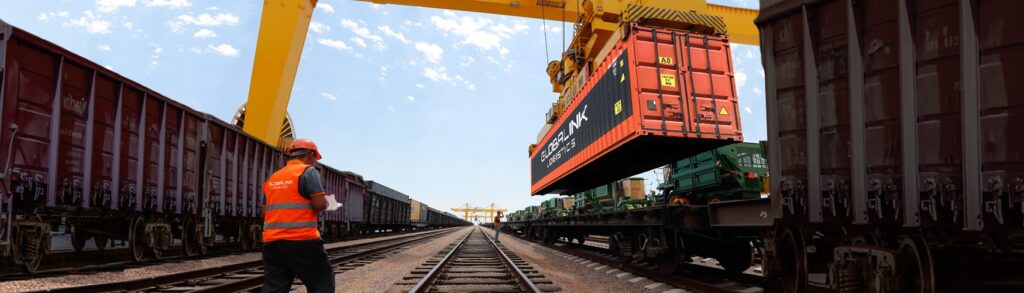
Rail freight strikes the perfect balance between cost efficiency and speed. While air freight delivers fastest, it is costly; sea freight is cheaper but slow. Rail offers a middle ground.
| Shipping Method | Average Transit Time | Cost Level | Pros | Cons |
|---|---|---|---|---|
| Air Freight | 5–8 days | High | Fast delivery, secure | Expensive, limited weight |
| Rail Freight | 18–22 days | Medium | Balanced cost/speed, eco-friendly | Capacity limits, customs checks |
| Sea Freight | 30–40 days | Low | Cheapest, large volumes | Longest transit, port congestion |
What Are the Key Rail Routes from Shenzhen to Germany?
The main rail route passes through Central Asia and Eastern Europe before reaching Germany. The most popular entry hubs include Duisburg, Hamburg, and Munich.
- Shenzhen → Duisburg: 18–22 days
- Shenzhen → Hamburg: 20–24 days
- Shenzhen → Munich: 21–25 days
These rail corridors are reliable, with strong infrastructure supporting import and export supply chains.
How Much Does Rail Freight from Shenzhen to Germany Cost?
Rail freight costs depend on container type, cargo volume, and service provider.
| Container Type | Average Price (USD) | Capacity | Suitable For |
|---|---|---|---|
| 20GP | $4,500 – $5,200 | 28 CBM | Small/medium loads |
| 40GP | $6,800 – $7,500 | 58 CBM | Standard full loads |
| 40HQ | $7,200 – $8,000 | 68 CBM | Larger shipments |
Note: Rates fluctuate due to fuel costs, rail congestion, and seasonal demand.
What are you waiting for?
Contact chinatopfreight for a fast, free quote.
Are you ready to book?
Access live instant freight quotes
Can You Ship Both FCL and LCL Cargo?
Yes. Businesses can select Full Container Load (FCL) or Less than Container Load (LCL) services:
- FCL Rail Freight: Exclusive use of the container, faster handling, secure for large shipments.
- LCL Rail Freight: Share container space, cost-effective for smaller volumes, but slightly longer handling times.
What Customs Documents Are Needed for Rail Freight?
Smooth customs clearance requires precise paperwork. Below is a checklist for shipments from Shenzhen to Germany:
| Required Document | Purpose |
|---|---|
| Commercial Invoice | Declares cargo value for customs |
| Packing List | Details shipment contents |
| Bill of Lading / Rail Waybill | Proof of contract |
| Certificate of Origin | Determines tariff treatment |
| Import Licenses (if needed) | For restricted goods |
How Reliable Is Rail Freight Compared to Air and Sea?
Rail freight offers a strong track record of reliability.
| Factor | Air Freight | Rail Freight | Sea Freight |
|---|---|---|---|
| Punctuality | Very high | High | Medium |
| Customs Risk | Medium | Medium | Medium-high |
| Environmental Impact | High | Low | Medium |
| Cost per KG | High | Medium | Low |
Moreover, rail freight is increasingly eco-friendly, reducing CO₂ emissions compared to both sea and air options.
Should SMEs Consider Rail Freight from Shenzhen to Germany?
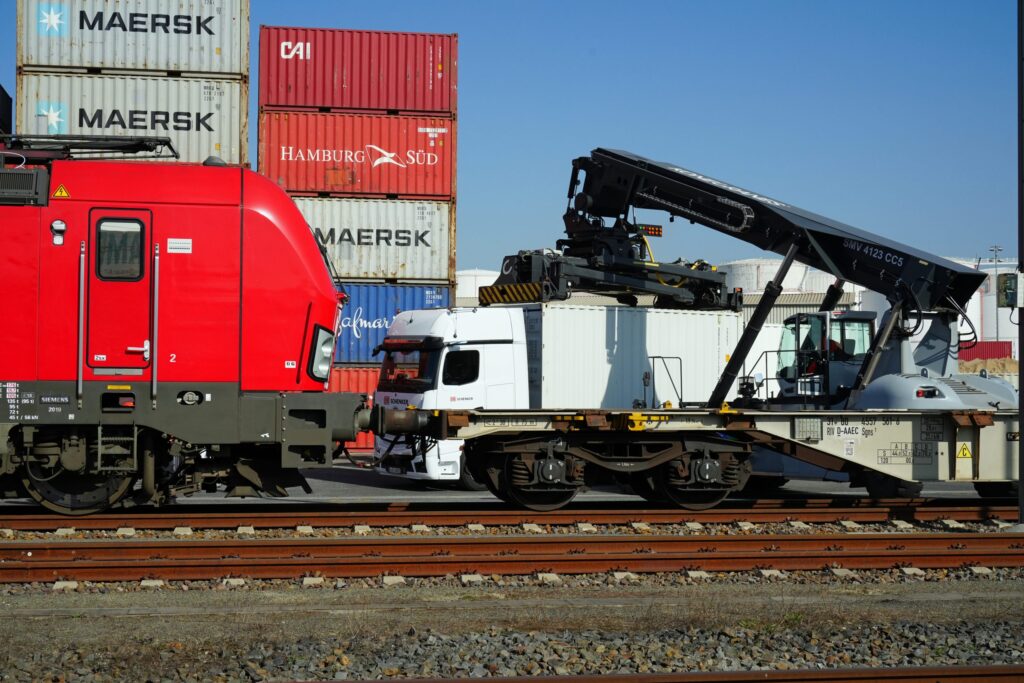
Yes, especially for SMEs seeking lower logistics costs without sacrificing too much delivery speed. Rail freight provides:
- Predictable schedules
- Competitive pricing
- Flexibility in volume (FCL or LCL)
- Reliable customs processes with professional support
How Do Seasonal Trends Affect Rail Freight?
Demand for rail services spikes before Chinese New Year and during the European holiday season. Consequently, prices rise, and capacity becomes limited. Therefore, booking early ensures availability and avoids delays.
What Industries Benefit Most from Rail Freight?
Industries that ship electronics, auto parts, textiles, and machinery benefit greatly. These goods require timely delivery but cannot justify high air freight costs. Rail freight is ideal for such shipments.
Pros and Cons of Air vs Sea vs Rail Freight
| Method | Pros | Cons |
|---|---|---|
| Air | Fastest delivery, high security | Expensive, limited weight |
| Sea | Cheapest, best for bulk cargo | Slow, port congestion |
| Rail | Balanced cost & speed, eco-friendly | Limited by rail network |
Conclusion
In today’s fast-paced trade environment, trusted rail freight from Shenzhen to Germany delivers an ideal balance between speed, cost, and reliability. Compared to air and sea freight, rail offers eco-friendly benefits, consistent schedules, and competitive rates. Businesses that choose this mode of transport gain supply chain resilience, smoother customs clearance, and more predictable delivery schedules. Partnering with experienced logistics providers ensures every shipment reaches Germany safely and efficiently.
FAQ
Q1: What types of cargo are best suited for rail freight from Shenzhen to Germany?
Electronics, machinery, textiles, and automotive parts are most commonly shipped, as they require faster transit than sea but cannot justify costly air freight.
Q2: How long does a typical rail freight shipment take to reach Germany?
Transit usually takes 18–22 days, depending on destination hubs like Duisburg or Hamburg, border clearance times, and seasonal demand fluctuations.
Q3: Which customs documents must be prepared for rail freight?
Shippers need a commercial invoice, packing list, waybill, and often a certificate of origin. Missing or inaccurate paperwork frequently causes unnecessary delays.
Q4: Why should small businesses consider LCL rail freight services?
Shared container space reduces shipping costs for smaller loads. This option is cost-effective while still providing predictable transit schedules and reliable delivery times.
Q5: What factors influence the cost of rail freight from Shenzhen to Germany?
Container type, shipment size, seasonality, and fuel costs impact pricing. Market demand during peak seasons can also raise rates significantly.