

- By carlie tj
- October 15, 2025
- Logistics Guide
For businesses seeking cheap sea freight from China to Canada, affordability, reliability, and customs compliance are essential. Partnering with China Top Freight ensures importers enjoy contract carrier rates, professional handling, and end-to-end solutions that make international shipping cost-effective and stress-free.
1. Why Choose Cheap Sea Freight from China to Canada?
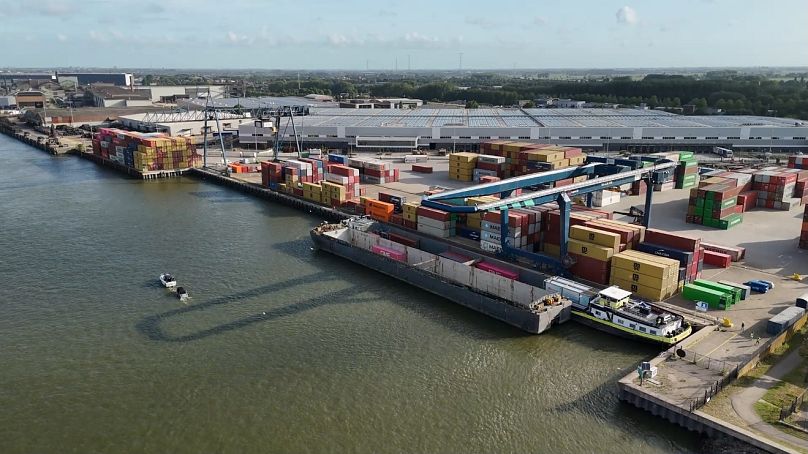
Sea freight offers unbeatable value for large-volume shipments. It enables businesses to move goods like electronics, apparel, and industrial machinery at a fraction of air freight costs. Moreover, consistent sailing schedules between China and Canadian ports make sea freight the preferred choice for companies balancing cost with delivery reliability.
2. How Long Does Sea Freight from China to Canada Take?
| Origin Port (China) | Destination Port (Canada) | FCL Transit Time | LCL Transit Time |
|---|---|---|---|
| Shanghai | Vancouver | 18–22 days | 22–26 days |
| Shenzhen | Toronto (via Vancouver) | 24–28 days | 28–32 days |
| Ningbo | Montreal (via Halifax) | 25–30 days | 30–34 days |
| Qingdao | Calgary (via Vancouver) | 23–27 days | 27–31 days |
Therefore, careful port selection and routing optimize both delivery times and costs.
3. Which Carriers Provide the Cheapest and Most Reliable Services?
Top global carriers including Maersk, COSCO, MSC, CMA CGM, and OOCL operate regular services to Canada. Freight forwarders negotiate contract rates with these carriers, ensuring importers get both cost savings and guaranteed space.
4. What Are the Costs of Cheap Sea Freight from China to Canada?
Rates depend on container size, cargo type, and market demand.
| Container Type | Average Cost (USD) | Best Suited For |
|---|---|---|
| 20ft FCL | $2,000 – $2,600 | Medium shipments, heavier cargo |
| 40ft FCL | $3,800 – $4,800 | Large volume, e-commerce stock |
| LCL (per CBM) | $85 – $130 | Small shipments, consolidated cargo |
Additionally, importers should budget for customs duties, GST/HST, port handling, and last-mile delivery fees when calculating landed costs.
5. What Documents Are Required for Sea Freight to Canada?
Accurate paperwork ensures fast customs clearance and prevents delays.
Customs Documents Checklist
- Bill of Lading (B/L)
- Commercial Invoice
- Packing List
- Certificate of Origin
- Canada Customs Declaration
- Permits for restricted goods (if applicable)
Therefore, working with professional customs brokers reduces compliance risks.
6. How to Reduce Sea Freight Costs from China to Canada?
Strategies include:
- Booking early to avoid peak surcharges.
- Consolidating shipments for efficient LCL use.
- Negotiating Incoterms wisely (FOB vs CIF).
- Partnering with freight forwarders for contract pricing.
- Maximizing container space with optimized packaging.
Additionally, businesses should monitor freight indices to anticipate rate changes.
7.Conclusion
The cheap sea freight from China to Canada option remains the best choice for importers balancing cost, volume, and reliability. By choosing the right container type, preparing documents accurately, and working with experienced freight forwarders, businesses can minimize risks and optimize logistics. With China Top Freight, importers gain trusted expertise, contract carrier rates, and seamless door-to-door service.
8. Request a Quote
China Top Freight offers:
- ✅ Origin and Destination Countries
- ✅ Cargo Type and Volume
- ✅ Preferred Transport Method (Air, Sea, Rail, Road)
- ✅ Delivery Timeline
- ✅ Special Handling Requirements (if any)
9. FAQ
Q1. What is the average shipping time for cheap sea freight from China to Canada?
Transit typically takes 18–30 days depending on origin and destination ports, shipment type, and whether cargo moves via FCL or consolidated LCL.
Q2. How can small businesses save on sea freight from China to Canada?
Small businesses can consolidate cargo, work with freight forwarders for shared-container solutions, and book early to access competitive contract rates.
Q3. Which Canadian ports handle most imports from China?
Vancouver, Toronto (via inland rail), Montreal, and Halifax are the major entry points, offering advanced infrastructure and strong customs clearance facilities.
Q4. What duties and taxes apply to goods imported into Canada?
Duties depend on HS code classification, and GST/HST is applied at the applicable provincial rate on customs value plus shipping costs.
Q5. Can importers track their sea freight shipments in real-time?
Most carriers and forwarders provide digital tracking systems, enabling businesses to monitor shipment status and predict arrival times effectively.