

- By carlie tj
- October 17, 2025
- Logistics Guide
Global trade between Asia and the Middle East is booming, but many companies face challenges with customs rules, shipping delays, and unpredictable logistics expenses. Partnering with China Top Freight ensures your freight forwarding China to Middle East shipments are efficient, cost-effective, and fully compliant with international standards.
1. Why Is Freight Forwarding Between China and the Middle East Growing?
Trade is expanding because:
- Rising demand for Chinese goods such as electronics, textiles, and machinery.
- Middle East infrastructure projects require bulk imports.
- E-commerce growth boosts air freight for smaller parcels.
- Strong trade ties between China and Gulf Cooperation Council (GCC) nations.
Therefore, forwarders play a critical role in connecting suppliers with Middle Eastern buyers.
2. What Are the Main Shipping Methods from China to the Middle East?
Businesses can choose from sea, air, rail-sea combined, and courier services.
| Method | Cost Estimate | Transit Time | Pros | Cons |
|---|---|---|---|---|
| Sea Freight | $2,000–$4,500 per 40ft | 20–35 days | Economical for bulk | Longer transit, port delays |
| Air Freight | $6–$10 per kg | 5–10 days | Fast and reliable | Expensive for heavy cargo |
| Rail + Sea Freight | $3,000–$5,000 per 40ft | 18–25 days | Faster than sea, eco-friendly | Limited routes |
| Courier/Express | $8–$15 per kg | 3–7 days | Door-to-door, small shipments | High cost, weight limits |
3. How Much Does Freight Forwarding from China to the Middle East Cost?
Prices vary by cargo size, method, and destination.
| Container Type | Capacity | Estimated Price (to UAE) |
|---|---|---|
| 20ft FCL | 28–30 CBM | $1,800–$3,200 |
| 40ft FCL | 58–60 CBM | $3,500–$5,800 |
| LCL (per CBM) | 1+ CBM | $120–$160 per CBM |
Additional fees include documentation, insurance, and inland trucking.
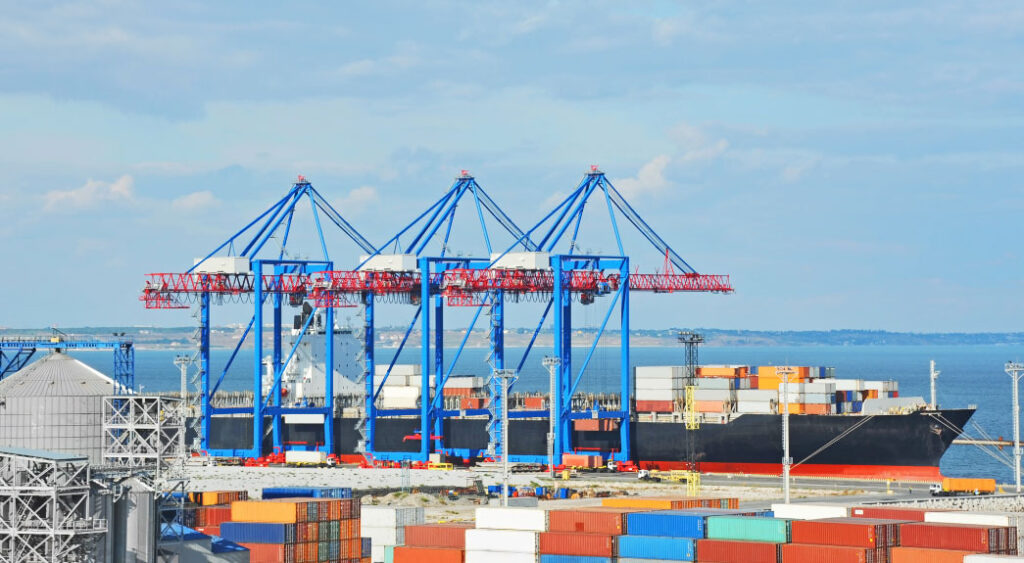
4. What Are the Key Middle East Destinations for Chinese Exports?
- United Arab Emirates (UAE): Dubai and Abu Dhabi serve as re-export hubs.
- Saudi Arabia: Jeddah and Dammam handle bulk shipments.
- Qatar: Doha supports construction imports.
- Kuwait, Bahrain, and Oman: Smaller markets but crucial for oil and non-oil sectors.
Each market requires specific customs clearance procedures and documentation.
5. How Long Does Shipping from China to the Middle East Take?
Transit depends on method and destination:
- Sea Freight: 20–35 days.
- Air Freight: 5–10 days.
- Rail + Sea Freight: 18–25 days.
- Express Courier: 3–7 days.
Moreover, customs inspections and port congestion may extend delivery schedules.
6.Do Importers Need Cargo Insurance?
Insurance is recommended to protect against risks such as theft, damage, or natural disasters.
- All-Risk Coverage: Broad protection.
- Total Loss Coverage: Cheaper, but limited.
- Customized Policies: Suitable for fragile or valuable goods.
Efficient logistics depends on choosing the right partner. At China Top Freight, we provide customized solutions for freight forwarding China to Middle East, offering cost-effective sea freight, fast air freight, and multimodal options. Contact us today for a tailored shipping quote that matches your business needs.
7.Conclusion
Freight forwarding between China and the Middle East is a key driver of global trade. Businesses can choose air, sea, or multimodal solutions depending on urgency and budget. While customs rules and transit delays remain challenges, experienced forwarders provide reliable and efficient solutions. Partnering with China Top Freight ensures smooth, cost-effective, and timely delivery of your shipments, making freight forwarding China to Middle East a seamless process.
8. Request a Quote
China Top Freight offers:
- ✅ Origin and Destination Countries
- ✅ Cargo Type and Volume
- ✅ Preferred Transport Method (Air, Sea, Rail, Road)
- ✅ Delivery Timeline
- ✅ Special Handling Requirements (if any)
9. FAQ
1. What is the fastest shipping option from China to the Middle East?
Express air freight is the fastest, with door-to-door delivery in just 3–5 days, ideal for urgent or high-value shipments.
2. Do all Middle East countries require a Certificate of Origin?
Most Gulf countries, including UAE and Saudi Arabia, require a Certificate of Origin for customs clearance to verify product authenticity.
3. Can small businesses use freight forwarding for low volumes?
Small businesses benefit from LCL shipments, which allow sharing container space, reducing costs while still ensuring reliable logistics solutions.
4. What is the standard customs duty rate in GCC countries?
The standard GCC customs duty is typically 5% on most imported goods, though some categories may have higher or lower duty rates.
5. Is rail freight a viable option for China–Middle East trade?
Rail freight can work when combined with sea transport, offering faster alternatives than ocean alone, but availability is route-dependent.