

- By kelly
- October 21, 2025
- Logistics Guide
FCL Shipping China to Dubai: Complete 2025 Guide
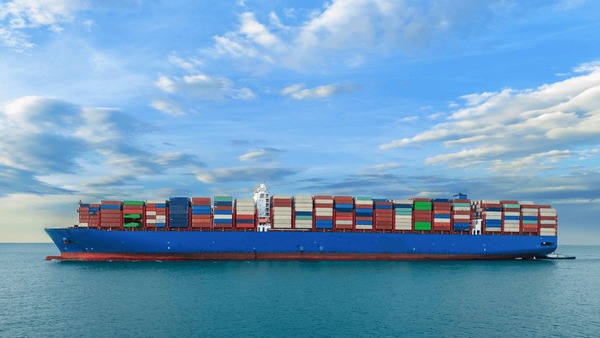
Managing international logistics is challenging, especially when shipping bulk goods from Asia to the Middle East. Choosing FCL shipping China to Dubai ensures lower costs per unit, predictable transit schedules, and simplified customs clearance. Many importers face delays, hidden charges, and supply chain disruptions; however, with the right planning, FCL sea freight remains the most efficient solution for China–UAE trade.
What is LCL Shipping and Why Choose it for China–Canada Trade?
FCL (Full Container Load) shipping means one shipper uses an entire container, either a 20ft or 40ft unit. Unlike LCL (Less than Container Load), you don’t share space with others.
Advantages of FCL Shipping:
- Lower cost per cubic meter for large shipments.
- Reduced handling risk compared to LCL.
- Faster deconsolidation at Jebel Ali Port.
- More predictable logistics for supply chains.
How Does FCL Shipping from China to Dubai Work?
The process involves several stages:
- Booking a container with a carrier or freight forwarder.
- Stuffing cargo at the factory or warehouse in China.
- Customs clearance at origin before vessel loading.
- Ocean freight transit (Shanghai, Shenzhen, Ningbo → Dubai Jebel Ali).
- Arrival in Dubai, customs clearance, and duty payment.
- Final delivery to importer’s warehouse.
How Much Does FCL Shipping from China to Dubai Cost?
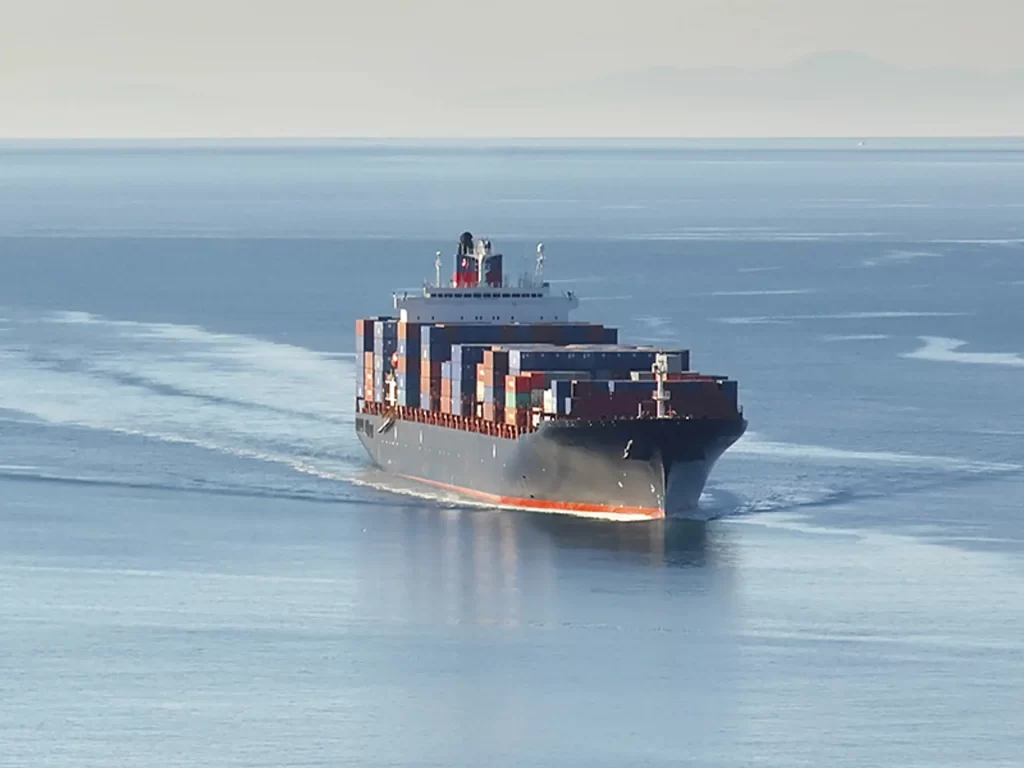
FCL pricing is based on container size, route, and carrier contract rates.
| Container Type | Average Cost (USD) | Notes |
|---|---|---|
| 20ft Standard | $1,200 – $1,600 | Best for smaller bulk shipments. |
| 40ft Standard | $1,800 – $2,500 | Most common choice for general cargo. |
| 40ft High Cube | $2,000 – $2,800 | Suitable for oversized or lightweight but bulky cargo. |
| Reefer Container | $3,000 – $4,500 | For temperature-sensitive goods (e.g., food, pharmaceuticals). |
Note: Rates vary with seasonality, carrier (COSCO, EMC, MSC, HMM, Maersk), and fuel surcharges.
How Long Does FCL Shipping from China to Dubai Take?
Transit time depends on port of loading and carrier schedule.
| Port of Origin | Destination (Dubai Jebel Ali) | Transit Time | Remarks |
|---|---|---|---|
| Shanghai | Jebel Ali | 20–24 days | One of the busiest trade routes. |
| Shenzhen | Jebel Ali | 17–21 days | Faster, frequent sailings. |
| Ningbo | Jebel Ali | 18–22 days | Stable capacity with major carriers. |
| Qingdao | Jebel Ali | 22–26 days | Slightly longer, fewer direct sailings. |
Additionally, customs clearance and delivery in Dubai add 3–5 days.
What Documents Are Needed for FCL Shipping to Dubai?
Accurate documentation ensures smooth import into the UAE.
| Document | Purpose |
|---|---|
| Commercial Invoice | Declares value and trade terms. |
| Packing List | Details cargo, weight, and measurements. |
| Bill of Lading (B/L) | Proof of carriage between shipper and carrier. |
| Certificate of Origin | Confirms the country of manufacture (required by Dubai Customs). |
| Import License (Dubai) | Needed for businesses importing commercial cargo. |
| Health/Phytosanitary Certificate | Required for food, agricultural, or regulated products. |
What Goods are Commonly Shipped FCL from China to Dubai?
- Electronics & appliances (TVs, air conditioners, lighting).
- Furniture and home décor.
- Construction materials (tiles, steel, glass).
- Automobile parts & machinery.
- Textiles & clothing in bulk.
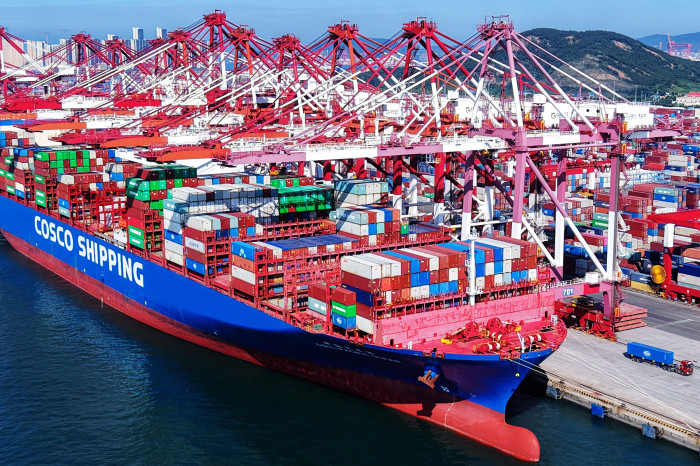
Because Dubai serves as a re-export hub, many of these products are forwarded to GCC countries, Africa, and beyond.
FCL vs LCL vs Air Freight: Which Should Importers Choose?
| Mode | Cost | Transit Time | Best For | Cons |
|---|---|---|---|---|
| FCL (Sea) | $1,200–$2,800/container | 17–26 days | Large shipments, cost-effective trade | Requires more upfront inventory. |
| LCL (Sea) | $50–$80/CBM | 20–30 days | Small shipments, flexible volume | Higher risk, longer deconsolidation. |
| Air Freight | $4–$8/kg | 3–6 days | Urgent, high-value cargo | Expensive, limited for bulky goods. |
Why Choose Dubai’s Jebel Ali Port for FCL Shipments?
- Largest port in the Middle East with high handling capacity.
- Free Trade Zone benefits for re-exports.
- Advanced logistics infrastructure for storage and distribution.
- Strategic location for GCC, Africa, and South Asia trade.
How to Reduce FCL Shipping Costs from China to Dubai?
- Book in advance to secure lower rates.
- Choose the right container type to avoid wasted space.
- Work with contract carriers for discounted shipping.
- Avoid peak season surcharges (before Ramadan, Chinese New Year).
- Consolidate suppliers to load a full container efficiently.
Can Small Businesses Benefit from FCL Shipping?
Yes. While FCL is typically used by larger importers, small businesses can also benefit when cargo volume exceeds 15–18 CBM. At this threshold, FCL often becomes cheaper than LCL per unit.
What Are the Common Challenges in FCL Shipping to Dubai?
- Customs compliance errors can cause clearance delays.
- Peak season congestion increases transit times.
- Hidden destination charges may surprise unprepared importers.
- Incorrect packing may result in cargo damage during transit.
However, these can be mitigated by partnering with an experienced freight forwarder.
📦Get a Free Quote
Partnering with a reliable logistics provider ensures cost savings, smoother customs clearance, and timely delivery. For FCL shipping China to Dubai, professional guidance helps businesses optimize supply chains, reduce risks, and improve trade efficiency.
❓ Frequently Asked Questions
1. What is the average cost of FCL shipping China to Dubai?
A 20ft container costs $1,200–$1,600, while a 40ft container averages $1,800–$2,500, depending on the season and carrier.
2. How long does sea freight take from China to Dubai?
FCL transit typically takes 17–26 days, depending on the origin port, with Shenzhen being one of the fastest routes.
3. Do I need an import license for Dubai?
Yes, businesses must obtain a valid UAE import license to clear goods through customs at Jebel Ali Port.
4. Which carriers operate China–Dubai shipping routes?
Major carriers include COSCO, Maersk, MSC, HMM, and Evergreen, offering weekly sailings from key Chinese ports.
5. Can I ship temperature-sensitive goods in FCL containers?
Yes, reefer containers maintain controlled temperatures, making them suitable for food products and pharmaceuticals.
Conclusion
The FCL shipping China to Dubai route is one of the busiest and most cost-effective options for international trade. With predictable schedules, lower unit costs, and strong logistics infrastructure at Jebel Ali, importers can streamline supply chains and expand into GCC markets. By booking smart, preparing documents correctly, and working with reliable carriers, businesses can secure faster, safer, and more economical cargo movement between China and Dubai.