

- By kelly
- October 21, 2025
- Logistics Guide
Cargo Handling China to Belgium: Complete 2025 Guide
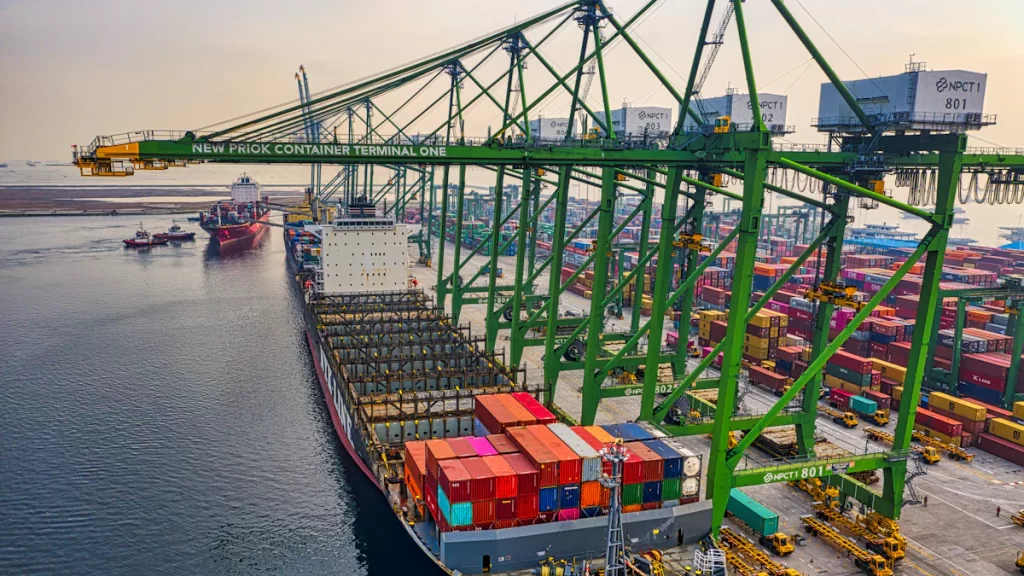
Managing cargo handling China to Belgium is critical for businesses importing electronics, textiles, auto parts, or consumer goods. Many importers struggle with hidden costs, delayed transit times, and customs complexities. However, with proper planning and a reliable freight forwarding partner, shipping from China to Belgium can be both efficient and cost-effective.
What Does Cargo Handling from China to Belgium Involve?
Cargo handling refers to the end-to-end process of managing goods, from pickup in China to delivery in Belgium. It covers:
- Export procedures in China.
- Transportation (sea, air, or rail freight).
- Import customs clearance at Belgian ports or airports.
- Warehousing and distribution within Europe.
Therefore, effective cargo handling ensures goods move seamlessly across international supply chains.
Why is Cargo Handling Important for China–Belgium Trade?
Belgium serves as a logistics hub for Europe, with Antwerp and Brussels playing major roles.
- Antwerp Port: One of Europe’s largest, ideal for containerized sea freight.
- Brussels Airport: A hub for air cargo, especially e-commerce and pharmaceuticals.
- Rail terminals: Links to China via the Belt and Road Initiative.
As a result, Belgian logistics infrastructure makes it easier for importers to distribute goods across the EU.
How Much Does Cargo Handling from China to Belgium Cost?
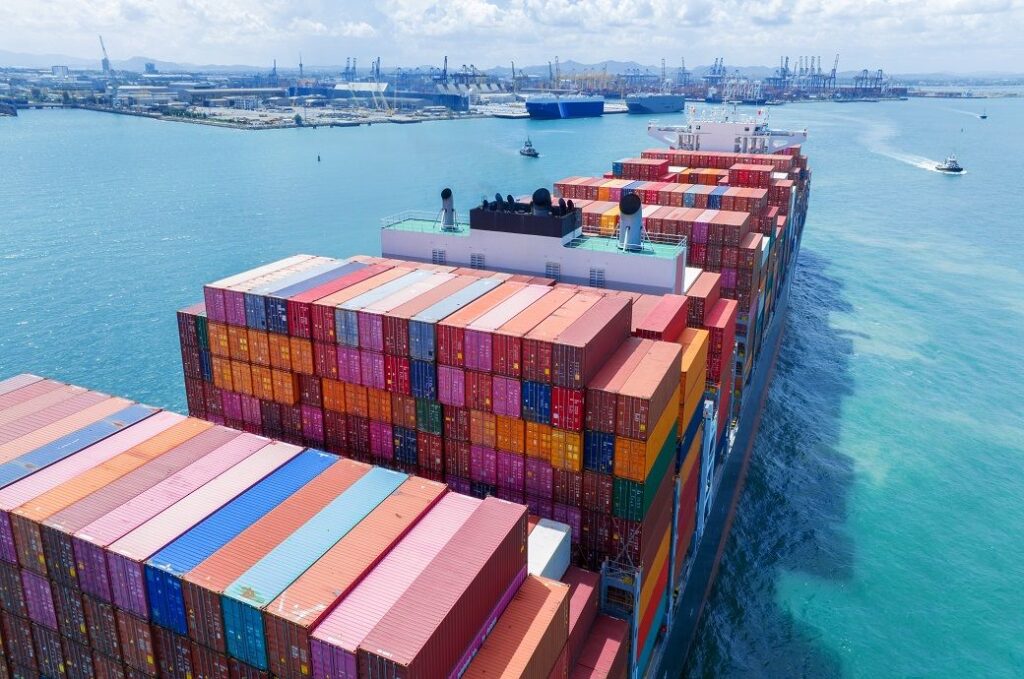
Pricing depends on freight mode, volume, and urgency.
| Mode | Cost Estimate | Best For |
|---|---|---|
| LCL Sea Freight | $50 – $80 per CBM | Small shipments under 15 CBM. |
| FCL Sea Freight | $1,800 – $2,600 (20ft), $2,800 – $3,800 (40ft) | Large shipments, bulk cargo. |
| Air Freight | $5 – $9 per kg | Urgent or high-value goods. |
| Express Courier | $6 – $12 per kg | Small packages, e-commerce orders, samples. |
| Rail Freight (via EU) | $300 – $500 per CBM | Balanced solution for shipments to inland Europe. |
Note: Costs fluctuate based on season, carrier contracts, and fuel surcharges.
How Long Does Cargo Handling Take from China to Belgium?
| Route/Mode | Transit Time | Notes |
|---|---|---|
| Sea Freight (Shanghai → Antwerp) | 30–38 days | Most common for bulk cargo. |
| Sea Freight (Shenzhen → Antwerp) | 28–35 days | Slightly faster with direct sailings. |
| Air Freight (China → Brussels) | 5–8 days | Includes export/import clearance. |
| Courier (China → Belgium) | 3–6 days | Fastest but most expensive for large orders. |
| Rail Freight (China → Liège) | 18–25 days | Via Eurasian rail routes, eco-friendly alternative. |
What Documents Are Needed for Cargo Handling from China to Belgium?
| Document | Purpose |
|---|---|
| Commercial Invoice | Declares product value and transaction details. |
| Packing List | Provides details of shipment dimensions, weight, and quantity. |
| Bill of Lading / Air Waybill | Proof of contract with carrier. |
| Certificate of Origin | Ensures tariff classification and trade compliance. |
| Import License (if required) | Needed for restricted products (chemicals, pharmaceuticals, etc.). |
| CE Certification | Required for electronics, toys, and safety-regulated products in the EU. |
Which Products Need Special Attention in Customs Clearance?
- Pharmaceuticals: Strict temperature-controlled cargo rules.
- Electronics: CE marking and RoHS compliance.
- Textiles & fashion: Subject to EU labeling regulations.
- Food and beverages: Require sanitary and phytosanitary certificates.
- Machinery: Must meet EU safety standards.
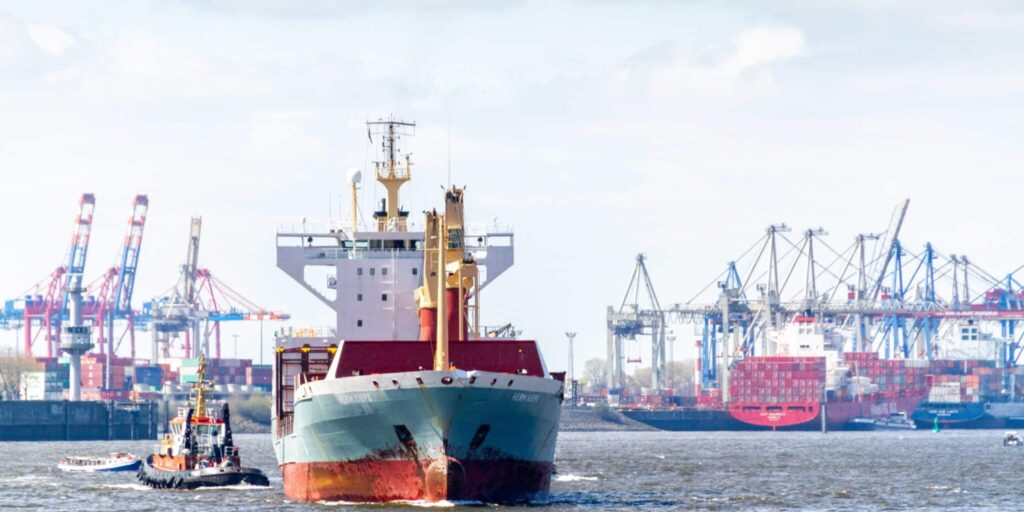
Sea Freight vs Air Freight vs Rail Freight for Cargo Handling
| Mode | Transit Time | Cost | Pros | Cons |
|---|---|---|---|---|
| Sea Freight | 28–38 days | $1,800–$3,800 per FCL | Cost-effective for large shipments | Slow, risk of port congestion. |
| Air Freight | 5–8 days | $5–$9 per kg | Fast, secure, suitable for fragile goods | Expensive for bulky shipments. |
| Rail Freight | 18–25 days | $300–$500 per CBM | Eco-friendly, mid-cost, stable transit | Limited cargo types and route coverage. |
| Express Courier | 3–6 days | $6–$12 per kg | Door-to-door, fast for small orders | Costliest per unit, not for bulk cargo. |
How to Reduce Costs in Cargo Handling China to Belgium?
- Consolidate shipments to lower per-unit cost.
- Book early to avoid seasonal surcharges.
- Use FCL instead of LCL if volume >15 CBM.
- Leverage trade agreements for tariff benefits.
- Partner with experienced freight forwarders for contract rates.
What Are the Common Challenges in Cargo Handling?
- Delays at Chinese ports due to congestion.
- Customs inspections in Belgium causing clearance slowdowns.
- Incorrect HS codes leading to miscalculated duties.
- High peak-season costs before holidays.
- Packaging compliance issues resulting in damaged cargo.
Why Work with a Freight Forwarder for China–Belgium Shipments?
- Expertise in EU customs compliance.
- Carrier network access for competitive pricing.
- End-to-end visibility with tracking systems.
- Insurance and risk management for valuable goods.
- Warehousing and last-mile delivery across Belgium and EU.
📦Get a Free Quote
A professional freight forwarder ensures smooth cargo handling China to Belgium by coordinating shipping, customs, and delivery efficiently. Contact a trusted logistics partner to simplify your supply chain and reduce unnecessary costs.
❓ Frequently Asked Questions
1. How much does cargo handling China to Belgium cost?
It depends on mode: LCL sea freight costs $50–$80/CBM, FCL containers average $1,800–$3,800, and air freight $5–$9/kg.
2. How long does it take to ship cargo from China to Belgium?
Sea freight takes 28–38 days, rail freight 18–25 days, and air freight just 5–8 days, excluding customs clearance.
3. Do I need CE certification for imports from China to Belgium?
Yes, products like electronics, toys, and machinery require CE marking for compliance with EU safety standards.
4. Which ports and airports in Belgium handle Chinese imports?
Key entry points include Port of Antwerp for sea freight and Brussels Airport/Liège Airport for air cargo.
5. Can small businesses import cargo easily from China to Belgium?
Yes, SMEs can use LCL sea freight, air freight, or courier services, supported by freight forwarders for customs compliance.
Conclusion
The cargo handling China to Belgium route is a cornerstone of global trade, supported by Belgium’s strong logistics hubs and China’s export power. While shipping costs and transit times vary, importers can optimize their supply chain by choosing the right transport mode, preparing documents correctly, and working with experienced freight forwarders. By doing so, businesses can ensure timely deliveries, lower risks, and full compliance with EU import regulations.