

- By kelly
- October 22, 2025
- Logistics Guide
Machinery Air Freight from China: Costs, Transit & Customs Explained
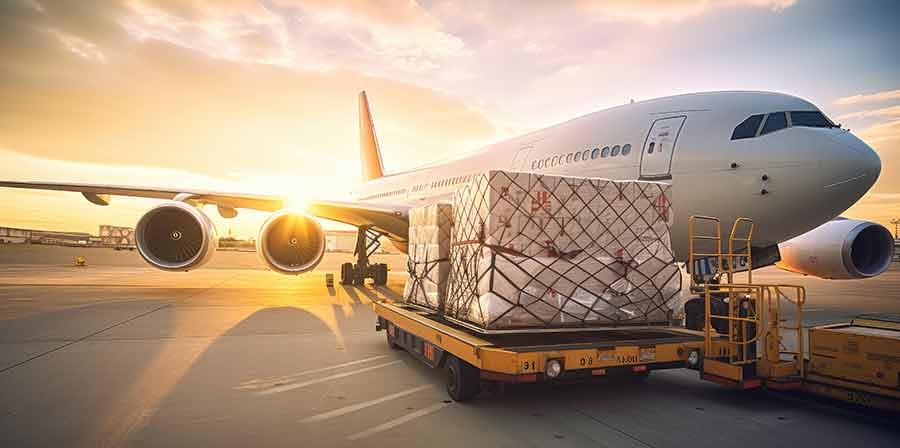
When it comes to urgent or high-value industrial shipments, machinery air freight from China is often the preferred solution. Manufacturers, importers, and distributors choose air freight to minimize downtime, meet project deadlines, and ensure safe handling of sensitive equipment. However, costs, customs clearance, and transit times can be challenging to navigate. This guide explains everything you need to know to manage your machinery imports effectively.
1. What Is Machinery Air Freight from China?
Machinery air freight involves transporting industrial equipment, heavy tools, or spare parts by air carriers from Chinese airports to international destinations.
Unlike sea or rail transport, air freight provides speed, reliability, and global reach, making it crucial for companies with tight production schedules. However, it often comes with higher costs, requiring businesses to carefully balance urgency and budget.
2. Why Choose Air Freight for Machinery Imports from China?
Shipping machinery by air is advantageous when:
- Time is critical—avoiding production delays or penalties.
- Cargo value is high—ensuring secure and tracked transport.
- Precision equipment must arrive in excellent condition.
- Urgent spare parts are required for factories, plants, or construction sites.
Therefore, while more expensive than sea freight, air transport reduces risks of project downtime and lost revenue.
3. How Long Does Machinery Air Freight from China Take?

Transit times depend on the origin airport, destination, and whether shipments are direct or transshipped.
| Route | Transit Time (Direct Flight) | Transit Time (With Stopovers) |
|---|---|---|
| China → USA (Los Angeles/New York) | 5–7 days | 7–10 days |
| China → Europe (Germany/UK) | 4–6 days | 6–9 days |
| China → Middle East (Dubai) | 3–5 days | 5–7 days |
| China → Africa (Johannesburg) | 6–8 days | 8–12 days |
Compared to sea freight (30–45 days) or rail freight (18–25 days), air freight significantly cuts delivery schedules.
4. How Much Does Machinery Air Freight from China Cost?
Air freight rates are usually calculated based on chargeable weight—whichever is greater between actual weight and volumetric weight.
| Shipping Method | Cost (Approx.) | Pros | Cons |
|---|---|---|---|
| Air Freight | $5–$9 per kg | Fastest, secure | High cost |
| Sea Freight (40ft FCL) | $2,000–$4,000 | Lowest per-unit cost | 30–45 days transit |
| Rail Freight (40ft) | $6,000–$7,500 | Balance of time/cost | Limited routes |
Therefore, while air freight is costly, it is justified when time-sensitive deliveries are needed.
5. What Are the Types of Machinery Suitable for Air Freight?
- Industrial spare parts and components
- CNC machines and precision tools
- Medical and laboratory equipment
- Automotive machinery and engine parts
- Mining or construction machinery accessories
- Agricultural machinery components
However, oversized or extremely heavy machinery may be restricted and better suited for sea or rail freight.
6. What Documents Are Required for Machinery Air Freight from China?
Customs clearance requires proper documentation to avoid delays:
| Document | Purpose |
|---|---|
| Commercial Invoice | Declares product value and trade details |
| Packing List | Details cargo packaging and dimensions |
| Air Waybill | Proof of shipment via air carrier |
| Certificate of Origin | Confirms manufacturing country |
| Import License | Required for controlled equipment |
| Export Customs Declaration | Filed in China before departure |
Additionally, importers must ensure machinery meets destination country regulations and safety standards.
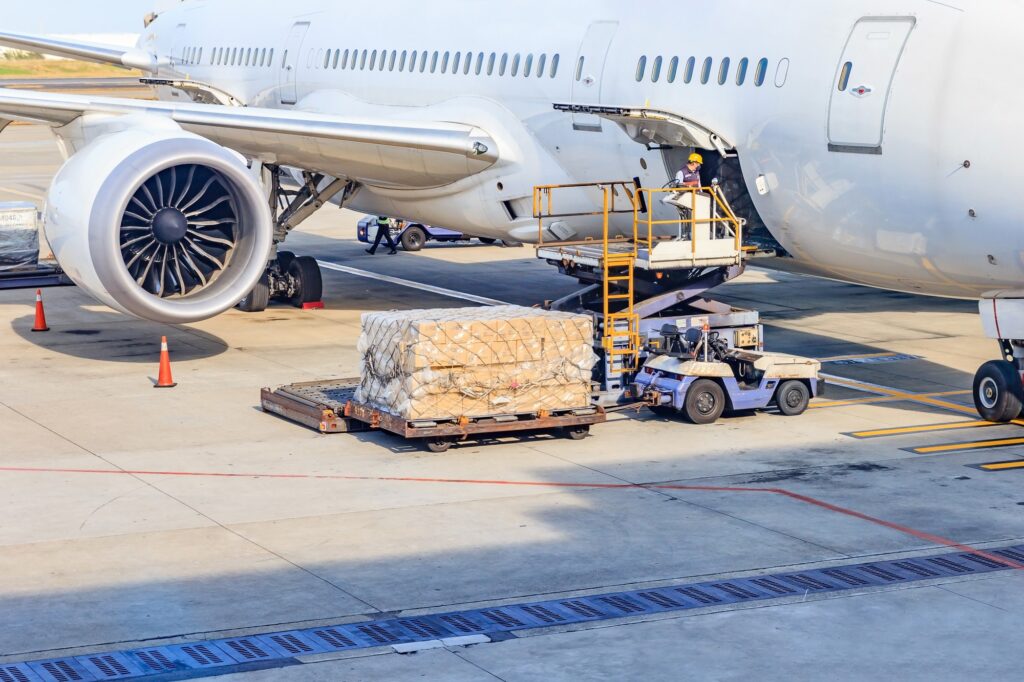
7. How Does Air Freight Compare with Sea and Rail for Machinery?
| Method | Pros | Cons | Best Use Case |
|---|---|---|---|
| Air Freight | Fast, reliable, secure | High cost per kg | Urgent machinery, spare parts |
| Sea Freight | Low per-unit cost | Long transit, port delays | Large machinery, bulk cargo |
| Rail Freight | Faster than sea, cheaper than air | Limited dangerous goods | Medium-sized industrial cargo |
Therefore, the choice depends on urgency, budget, and cargo size.
8. What Are the Major Airports in China for Machinery Air Freight?
- Shanghai Pudong (PVG): Largest hub for international air cargo.
- Beijing Capital (PEK): Handles high-tech equipment exports.
- Guangzhou Baiyun (CAN): Key for South China industries.
- Shenzhen Bao’an (SZX): Popular for electronics and machinery.
- Chengdu Shuangliu (CTU): Western hub connecting to Europe.
These airports offer direct connections to most global industrial cities.
9. How to Reduce Machinery Air Freight Costs?
- Book in advance to secure lower rates.
- Use direct routes to reduce handling charges.
- Optimize packaging to minimize volumetric weight.
- Leverage freight consolidations for smaller loads.
- Work with a reliable forwarder for contract rates.
Additionally, combining air freight with sea or rail in multimodal transport can reduce expenses for less urgent cargo.
10. What Customs Duties Apply to Machinery Imports?
Import duties depend on HS codes, value, and destination country. For example:
- EU Imports: Machinery often taxed at 2–4% plus VAT.
- USA Imports: Tariffs vary by equipment category.
- Middle East/Africa: Additional inspection and certification may be required.
Therefore, accurate product classification is critical to avoid unexpected costs.
11. What Are the Risks of Machinery Air Freight?
While safe, importers should consider:
- High insurance costs due to cargo value.
- Delays caused by customs inspections.
- Weight/size restrictions on aircraft.
- Peak-season surcharges (Q4, Chinese New Year).
Working with experienced freight forwarders reduces these risks significantly.
12. What Trends Are Shaping Machinery Air Freight from China?
- E-commerce in B2B trade driving faster logistics demand.
- Digital freight platforms improving tracking and transparency.
- Green logistics initiatives pushing for carbon offsetting.
- Post-pandemic recovery increasing air cargo demand globally.
These trends are reshaping the way businesses approach air shipping.
📦Get a Free Quote
If you’re planning machinery imports, our freight experts can provide tailored solutions to match your cargo needs, reduce costs, and ensure smooth customs clearance. Contact us today to get a quote for machinery air freight from China and streamline your supply chain.
❓ Frequently Asked Questions
1. How fast is machinery air freight from China?
Most shipments arrive within 4–7 days depending on route and destination.
2. Is air freight safe for heavy machinery?
Yes, with proper packing and insurance, air freight ensures secure handling of high-value equipment.
3. Can small businesses use air freight for machinery?
Absolutely. Consolidated air freight services allow SMEs to ship smaller machinery loads affordably.
4. Which Chinese airports are best for machinery exports?
Shanghai, Shenzhen, and Guangzhou are leading hubs for industrial and machinery air shipments.
5. Do I need special licenses to import machinery by air?
Yes, some machinery requires import licenses or compliance certificates based on local regulations.
Conclusion
Machinery air freight from China is the fastest and most secure option for importing industrial equipment, spare parts, and sensitive tools. Although more expensive than sea or rail freight, it minimizes downtime, reduces risks, and ensures timely delivery.
By working with an experienced freight forwarder, businesses can optimize costs, meet compliance requirements, and maintain a competitive supply chain. For time-critical and high-value shipments, air freight remains the best logistics choice.