

- By kelly
- October 28, 2025
- Logistics Guide
Best FCL Shipping from Shenzhen to USA: Complete Guide
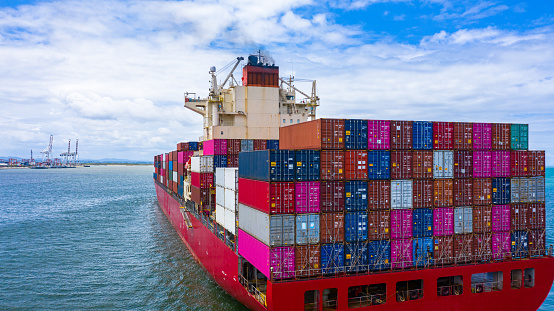
When moving large volumes of goods, importers rely on the best FCL shipping from Shenzhen to USA for cost savings, reliability, and secure transportation. Full Container Load (FCL) shipping allows exclusive use of a container, reducing handling risks and ensuring smoother customs clearance. This guide explains FCL costs, transit times, documentation, customs processes, and tips for optimizing your supply chain between China and the United States.
1. What Is FCL Shipping and Why Choose It?
FCL shipping gives one shipper exclusive use of an entire container—20ft, 40ft, or 40ft high cube (HC).
- Exclusive use: No cargo mixing with other shippers.
- Lower risk: Less handling means reduced risk of loss or damage.
- Cost efficiency: Ideal for shipments above 15 CBM.
- Faster customs: Containers are cleared as a single consignment.
For U.S. importers sourcing electronics, furniture, machinery, or apparel from Shenzhen, FCL is the most reliable method.
2. How Does the Best FCL Shipping from Shenzhen to USA Work?
The FCL process follows key steps:
- Supplier prepares goods at the Shenzhen warehouse.
- Cargo is trucked to Shenzhen ports (Yantian, Shekou, Chiwan).
- Export customs clearance in China.
- Loading onto ocean vessels bound for U.S. ports.
- Arrival at U.S. ports (Los Angeles, Long Beach, New York, Houston).
- Import customs clearance with CBP.
- Inland delivery by rail or truck to the final consignee.
3. What Are the Costs of FCL Shipping?
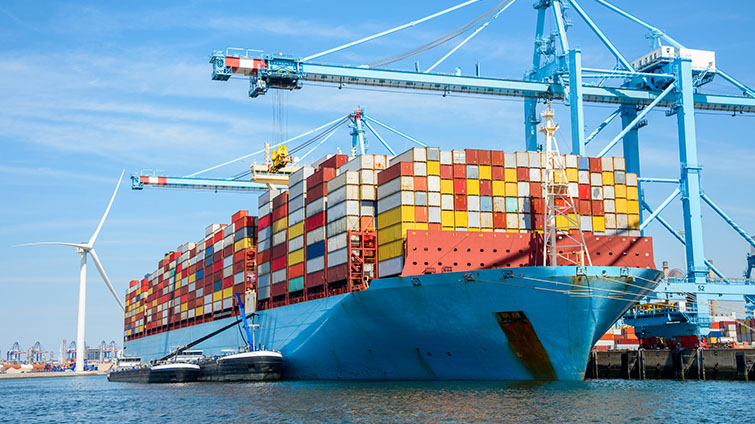
FCL pricing varies by container size, season, and port.
Estimated Container Pricing (Shenzhen–USA)
| Container Size | Avg. Cost | Cargo Capacity | Transit Time |
|---|---|---|---|
| 20ft FCL | $2,000–$3,000 | 25–28 CBM | 25–33 days |
| 40ft FCL | $3,500–$4,800 | 55–58 CBM | 25–33 days |
| 40ft HC FCL | $3,800–$5,200 | 60–65 CBM | 25–35 days |
Note: Rates change during peak seasons such as Chinese New Year and holiday demand in the U.S.
4. How Long Does Shipping Take from Shenzhen to the USA?
ransit times depend on the destination port.
Transit Time by U.S. Destination Port
| Destination Port | Estimated Transit Time |
|---|---|
| Los Angeles / Long Beach | 25–28 days |
| Houston | 28–32 days |
| New York / New Jersey | 32–35 days |
| Seattle / Tacoma | 27–31 days |
5. What Customs Documents Are Required?
Accurate documentation prevents costly delays.
Customs Documents Checklist
| Document | Required | Notes |
|---|---|---|
| Bill of Lading | Yes | Carrier-issued proof of shipment |
| Commercial Invoice | Yes | Must show HS codes and declared value |
| Packing List | Yes | Itemized list of cargo |
| ISF (Importer Security Filing) | Yes (ocean freight) | Must be filed 24h before loading |
| Arrival Notice | Yes | Provided by carrier |
| Certificates (FDA, FCC, USDA) | Conditional | For regulated products |
| Importer of Record Number | Yes | Required for U.S. clearance |
6. Why Is FCL Better than LCL for U.S. Imports?
- Simpler clearance: One container = one customs entry.
- Faster release: Avoids delays from shared cargo.
- Lower per-unit costs: Economical for >15 CBM.
- Reduced risk: No co-loading with other shippers.
Comparison Table: FCL vs LCL
| Criteria | FCL Shipping | LCL Shipping |
|---|---|---|
| Cost | Lower for >15 CBM | Cheaper for <15 CBM |
| Customs | Easier | Shared, more complex |
| Transit | Faster | Slower (extra handling) |
| Cargo Security | Higher | Lower |
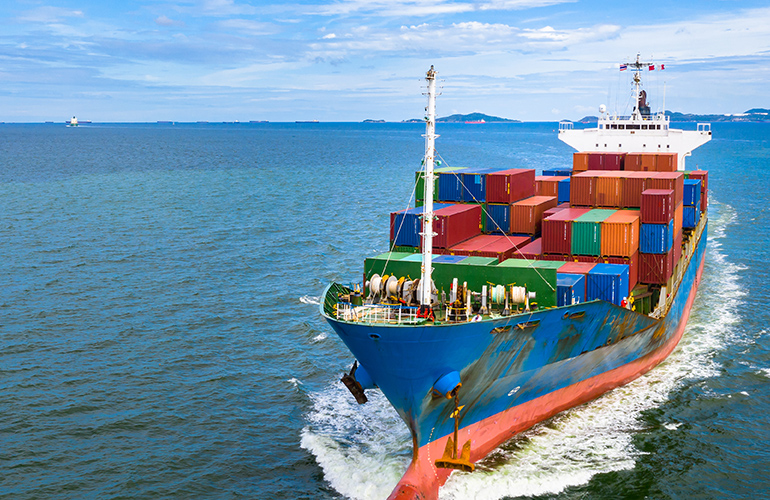
7. How Does FCL Compare with Air and Rail Freight?
Pros and Cons: Shipping Modes Shenzhen–USA
| Mode | Cost | Transit | Pros | Cons |
|---|---|---|---|---|
| FCL Sea Freight | $2,000–5,200/container | 25–35 days | Cost-effective, high volume | Slower |
| Air Freight | $6–9/kg | 5–8 days | Fastest | Expensive |
| Rail Freight (via Europe) | Limited | 25–30 days | Balanced for Europe | Not direct to USA |
8. How Do Duties and Tariffs Impact Costs?
U.S. customs applies duties and tariffs depending on product classification.
- Electronics: 0–5% duty.
- Textiles: 10–25% duty.
- Automotive parts: 2.5% duty.
- Section 301 Tariffs: Extra duties on certain Chinese goods.
Therefore, correct HS code classification is crucial to avoid overpayment.
9. What Are the Common Challenges in FCL Shipping?
Importers may face:
- ISF filing errors leading to fines of up to $5,000.
- Port congestion in Los Angeles and New York.
- Detention/demurrage fees for late container return.
- Customs inspections causing delays and extra charges.
10. How to Optimize FCL Shipping from Shenzhen to USA?
- Book containers early in peak seasons.
- Consolidate orders to maximize container use.
- Use licensed customs brokers for ISF and entry filing.
- Work with experienced freight forwarders for door-to-door service.
- Insure cargo for protection against loss or damage.
📦Get a Free Quote
If you’re looking for the best FCL shipping from Shenzhen to USA, our team offers transparent pricing, reliable vessel schedules, and expert customs clearance support. Contact us today to request a quote tailored to your shipment needs.
❓ Frequently Asked Questions
Q1: How much does the best FCL shipping from Shenzhen to USA cost?
Costs range from $2,000 for a 20ft container to $5,200 for a 40ft HC, depending on season and destination port.
Q2: How long does FCL sea freight from Shenzhen to USA take?
Transit usually takes 25–35 days, depending on destination port, customs clearance speed, and carrier schedules.
Q3: Which U.S. ports are best for FCL imports from Shenzhen?
Los Angeles, Long Beach, New York, Houston, and Seattle are major ports for containerized imports from China.
Q4: What documents are needed for U.S. customs clearance?
Required documents include Bill of Lading, Commercial Invoice, Packing List, ISF filing, and certificates for regulated goods.
Q5: Is FCL more cost-effective than LCL?
Yes. For shipments over 15 CBM, FCL offers lower per-unit costs, faster clearance, and reduced risk of delays.
Conclusion
For bulk imports, the best FCL shipping from Shenzhen to USA provides unmatched cost efficiency, reliability, and security. With exclusive container use, simplified customs clearance, and lower per-unit freight charges, FCL is the top choice for U.S. importers.
By working with experienced freight forwarders and licensed customs brokers, businesses can minimize risks, optimize costs, and ensure smooth delivery from Shenzhen to major U.S. ports. Ultimately, FCL shipping remains the most strategic option for sustaining a competitive supply chain in global trade.