

- By kelly
- October 28, 2025
- Logistics Guide
Cheap Sea Freight from Shenzhen to Canada: Complete Shipping Guide
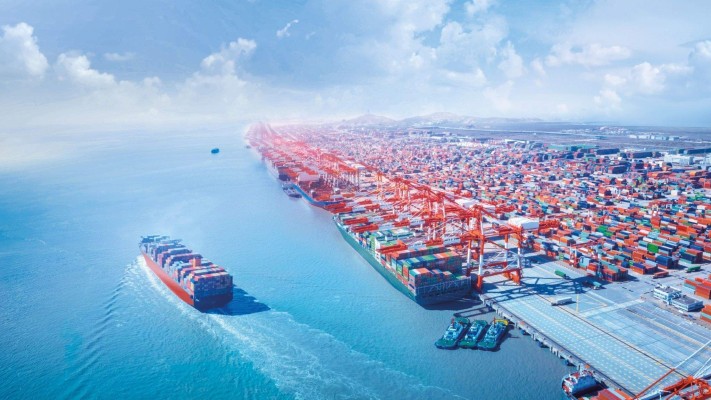
Shipping between Asia and North America is a critical part of global trade. For businesses sourcing from China, cheap sea freight from Shenzhen to Canada is one of the most affordable and reliable shipping methods available. With efficient port connections, flexible container options, and experienced freight forwarders, companies of all sizes can streamline logistics while controlling costs.
1. What Is Sea Freight and Why Choose It for Shenzhen to Canada?
Sea freight remains the backbone of international trade. For the Shenzhen–Canada route, it is:
- Cost-effective: Shipping by ocean is far cheaper than air freight for bulk cargo.
- Versatile: Suitable for full container load (FCL) and less-than-container load (LCL).
- Reliable: Regular sailings to Vancouver, Toronto (via rail), and Montreal ensure consistent supply chain operations.
2. How Much Does Cheap Sea Freight from Shenzhen to Canada Cost?
The cost depends on shipment size, container type, and service options. Generally, sea freight is priced per container for FCL or by cubic meter (CBM) for LCL.
| Container Type | Average Cost (USD) | Cargo Capacity | Best For |
|---|---|---|---|
| 20ft FCL | $2,000–$2,800 | 28–30 CBM | Small full loads |
| 40ft FCL | $3,200–$4,200 | 58–60 CBM | Large cargo |
| LCL (per CBM) | $40–$60 | Shared loads | SMEs and startups |
3. How Long Does Sea Freight Take from Shenzhen to Canada?
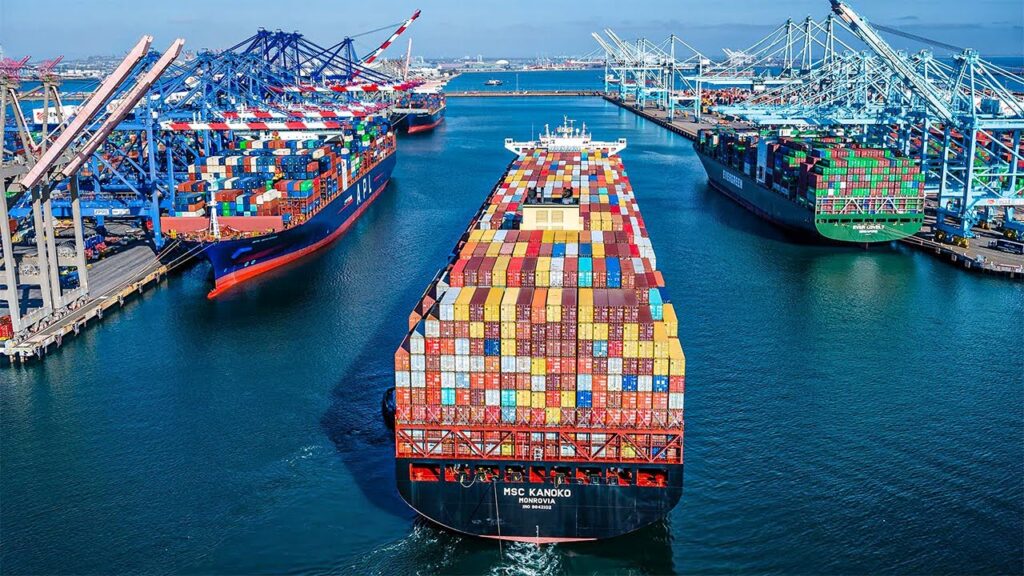
Transit times vary depending on destination ports and inland transport.
| Route | Average Transit Time | Notes |
|---|---|---|
| Shenzhen – Vancouver | 20–25 days | Fastest, main entry point |
| Shenzhen – Montreal (via Vancouver + rail) | 28–35 days | Includes cross-Canada rail transport |
| Shenzhen – Toronto (via Vancouver + rail) | 30–35 days | Popular for central/eastern Canada |
4. What Documents Are Required for Customs Clearance in Canada?
Accurate documentation is essential to avoid delays.
| Document | Purpose |
|---|---|
| Commercial Invoice | Declares product details and value |
| Packing List | Cargo description and packaging details |
| Bill of Lading (B/L) | Contract between shipper and carrier |
| Importer Number (BN) | Required for Canadian businesses |
| Canada Customs Invoice (CCI) | Mandatory for imports over CAD $2,500 |
| HS Code Classification | Determines duty and tax rates |
5. What Are the Pros and Cons of Sea Freight Compared to Other Modes?
| Mode | Cost | Transit Time | Suitability | Cons |
|---|---|---|---|---|
| Sea Freight | Low | 20–35 days | Bulk cargo, cost-sensitive shipments | Slower than air |
| Air Freight | High | 3–7 days | Urgent or high-value goods | Expensive |
| Rail Freight (China–Europe + Truck) | Medium | 20–25 days | Alternative for Europe, not Canada | Not applicable for Canada |
6. Why Is Shenzhen a Key Hub for Sea Freight to Canada?
- Strategic location: Shenzhen is part of the Pearl River Delta manufacturing zone.
- Port facilities: Yantian and Shekou terminals are connected to major Canadian routes.
- High frequency: Dozens of sailings each week reduce waiting times.
7. How Can You Reduce Costs in Sea Freight from Shenzhen to Canada?
- Use LCL for smaller loads instead of paying for unused container space.
- Book early: Peak seasons drive up rates.
- Consolidate shipments: Combine orders to maximize container usage.
- Work with trusted freight forwarders who negotiate bulk carrier rates.
8. Should You Choose FCL or LCL Shipping for Canada?
| Criteria | FCL | LCL |
|---|---|---|
| Cost | Cheaper per unit for volume | Higher per unit for small loads |
| Speed | Fewer delays | Possible delays in consolidation |
| Security | Exclusive container | Shared, higher handling risk |
| Best For | Large or valuable cargo | Small or startup shipments |
9. How Does Customs Clearance Work in Canada for Sea Freight?
The Canada Border Services Agency (CBSA) oversees clearance. The process includes:
- Filing customs documents electronically.
- Cargo arrival at port and inspection (if required).
- Duties and taxes assessment (GST/HST, customs duty).
- Cargo release to importer or freight forwarder.
10. What Are the Import Duties and Taxes in Canada?
- Customs duties: Usually 0%–20% depending on HS Code.
- GST/HST: Charged at 5%–15% depending on province.
- Excise taxes: Applicable for specific goods like alcohol or tobacco.
11. How to Avoid Delays in Cheap Sea Freight from Shenzhen to Canada?
- Ensure all documents are accurate and filed early.
- Use licensed customs brokers for clearance.
- Track shipments digitally to stay updated.
- Avoid peak season congestion when possible.
12. Can Sea Freight from Shenzhen Handle Special Cargo to Canada?
Yes. With proper documentation and packaging, you can ship:
- Electronics and machinery (may require CSA certification).
- Furniture and home goods.
- Auto parts and industrial equipment.
- Food and perishable items (need CFIA permits).
13. Common Mistakes to Avoid in Sea Freight from Shenzhen to Canada
- Not checking destination port handling fees.
- Misdeclaring HS Codes, leading to fines.
- Ignoring cargo insurance.
- Choosing the lowest price over reliability.
📦Get a Free Quote
Looking for cheap sea freight from Shenzhen to Canada without compromising reliability? We provide competitive rates, smooth customs clearance, and dependable transit times to Canadian ports. Contact us today to get a tailored shipping solution for your business.
❓ Frequently Asked Questions
1. How long does sea freight from Shenzhen to Canada take?
On average, it takes 20–25 days to Vancouver and up to 35 days to eastern Canadian cities like Toronto or Montreal.
2. Is sea freight cheaper than air freight from Shenzhen to Canada?
Yes. Sea freight is the most economical method for bulk shipments, while air freight is best for urgent and lightweight goods.
3. What is the minimum shipment size for LCL shipping?
Usually 1 CBM is the minimum. However, some freight forwarders accept smaller shipments with adjusted charges.
4. Do I need a customs broker in Canada for sea freight?
Yes. A customs broker ensures compliance with CBSA requirements, calculates duties, and prevents costly clearance delays.
5. Which Canadian ports handle cargo from Shenzhen?
Vancouver is the primary entry point, while Toronto and Montreal receive cargo through intermodal rail transport from Vancouver.
Conclusion
Choosing cheap sea freight from Shenzhen to Canada ensures businesses enjoy cost savings, dependable delivery, and smooth customs clearance. By selecting the right freight forwarder, optimizing container usage, and preparing documentation correctly, importers can maintain reliable supply chains while keeping logistics expenses under control.