

- By ayla tj
- October 30, 2025
- Logistics Guide
Shipping industrial equipment and heavy tools internationally can be a significant expense. For importers, finding the cheapest way to ship machinery from China to Europe is essential to protect profit margins and streamline the supply chain. While sea freight is typically the most cost-effective, other options like rail freight and air freight may be better depending on urgency, cargo type, and compliance requirements. This article explores all the available methods, their pros and cons, and strategies to reduce costs while ensuring safe and timely delivery.

Why Is Machinery Shipping More Complex?
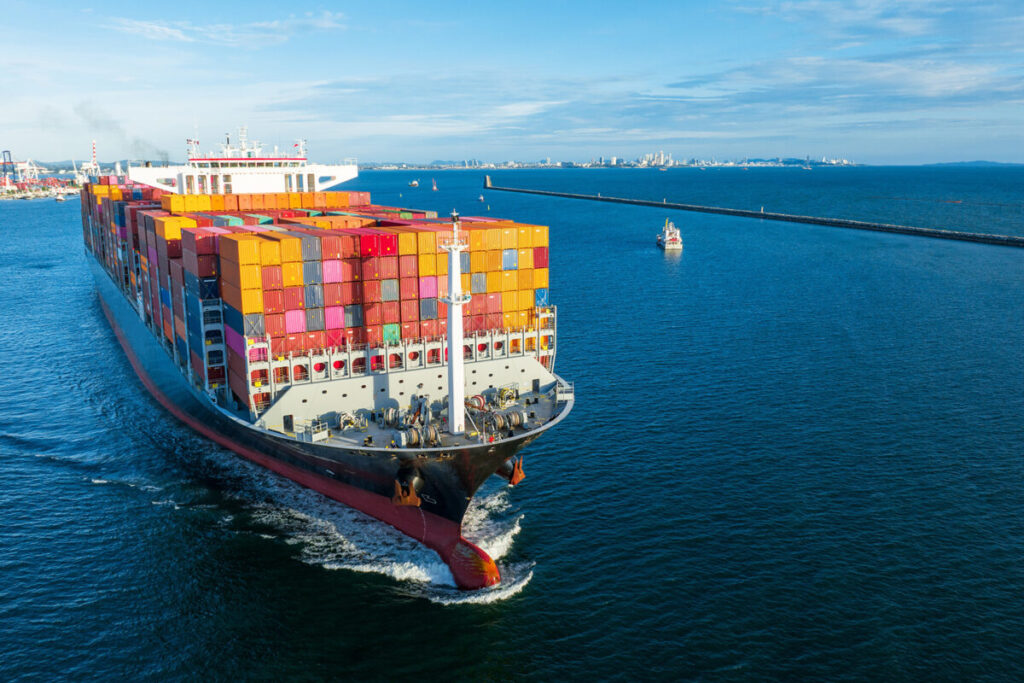
Unlike general consumer goods, machinery shipments often involve oversized or overweight cargo, which requires specialized handling. Additionally, EU regulations demand safety compliance, CE certification, and detailed documentation. Therefore, choosing the wrong mode of transport can lead to unnecessary delays, penalties, or even rejected shipments.
What Is the Cheapest Shipping Method for Machinery?
| Shipping Method | Typical Cost | Transit Time | Pros | Cons |
|---|---|---|---|---|
| Sea Freight (FCL) | $3,000–$5,500 per 20ft | 30–40 days | Cheapest for heavy loads | Slow transit |
| Sea Freight (LCL) | $120–$180 per CBM | 35–45 days | Good for small machinery | Handling risks |
| Rail Freight | $5,500–$7,500 per 40ft | 18–25 days | Faster than sea | Limited coverage |
| Air Freight | $5–$9 per kg | 5–10 days | Fast, reliable | Expensive |
| Express Courier | $8–$15 per kg | 3–6 days | Best for spare parts | Too costly for bulk |
How Long Does Machinery Shipping Take?
| Origin (China) | Destination (Europe) | Sea Freight | Rail Freight | Air Freight |
|---|---|---|---|---|
| Shanghai | Hamburg, Germany | 35–40 days | 20–22 days | 6–8 days |
| Shenzhen | Rotterdam, Netherlands | 30–35 days | 19–21 days | 5–7 days |
| Ningbo | Antwerp, Belgium | 32–38 days | 21–23 days | 6–8 days |
| Qingdao | Warsaw, Poland | 33–40 days | 18–20 days | 7–9 days |
What are you waiting for?
Contact chinatopfreight for a fast, free quote.
Are you ready to book?
Access live instant freight quotes
What Customs Documents Are Needed?
| Document | Purpose |
|---|---|
| Commercial Invoice | Declares shipment value and HS codes |
| Packing List | Describes weight, volume, and packaging |
| Bill of Lading / Air Waybill | Shipping contract |
| Import Declaration | EU customs clearance |
| CE Certificate | Confirms machinery meets EU safety standards |
| Certificate of Origin | Identifies country of manufacture |
| Insurance Certificate | Covers damage/loss |
| Technical Manual | May be requested for safety checks |
Why Does CE Marking Matter for Machinery?
- EU Machinery Directive (2006/42/EC): All imported machinery must comply.
- Labeling: CE marking must appear on the machine and documents.
- Penalties: Non-compliance can result in fines, recalls, or seizure.
- Exemptions: Some spare parts may not require CE marking if shipped for assembly.
Should You Use FCL or LCL for Machinery?
- FCL (Full Container Load): Recommended for heavy, large machinery. Ensures lower per-unit cost and protection.
- LCL (Less than Container Load): Suitable for small machinery components, though increased handling raises damage risks.
- Tip: Use FCL for complete machines and LCL for spare parts or samples.
Packaging Requirements for Machinery Freight
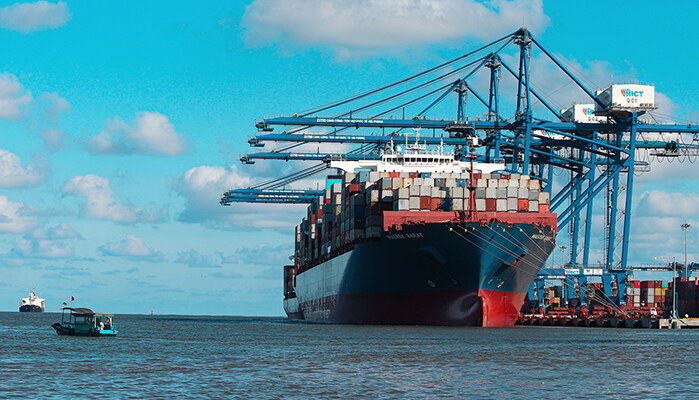
- Wooden Crates: ISPM-15 compliant for EU imports.
- Steel Frames: For oversized or fragile equipment.
- Shock Absorption: Protects delicate internal components.
- Moisture Control: Anti-rust wrapping for sea freight.
- Disassembly: Reduces volume and shipping costs.
Cost Breakdown by Machinery Type
| Machinery Type | Weight | Mode | Typical Cost | Notes |
|---|---|---|---|---|
| CNC Machines (20 tons) | Heavy | Sea Freight | $4,500–$5,500 | Requires special crating |
| Auto Parts Equipment (10 tons) | Medium | Rail Freight | $5,800–$6,200 | Faster than sea |
| Small Spare Parts (300 kg) | Light | Air Freight | $2,000–$2,600 | Urgent demand |
| Printing Machines (15 tons) | Heavy | Sea Freight | $3,800–$4,500 | Must meet CE rules |
| Agricultural Machines (25 tons) | Very Heavy | Sea Freight | $5,000–$6,200 | Oversized, break-bulk |
Pros and Cons of Different Freight Modes
| Mode | Pros | Cons |
|---|---|---|
| Sea Freight | Cheapest for bulk shipments | Long transit times |
| Rail Freight | Faster, eco-friendly | Higher costs, limited reach |
| Air Freight | Fastest, reliable | Expensive for heavy cargo |
| Courier | Convenient for samples | Impractical for machines |
How to Minimize Costs When Shipping Machinery?
- Plan Early: Avoid peak season rate hikes.
- Consolidate Cargo: Combine parts into FCL for savings.
- Use Break-Bulk for Oversized Cargo: Ships machinery outside containers.
- Choose Rail for Balance: Mid-cost option for urgent deliveries.
- Hire Experts: Freight forwarders cut costs by optimizing routes.
Conclusion
Choosing the cheapest way to ship machinery from China to Europe depends on your shipment size, urgency, and compliance needs. Sea freight is the most cost-effective for heavy equipment, while rail offers a faster mid-range solution. Air freight is best for urgent spare parts but too expensive for full machines. By planning ahead, optimizing packaging, and working with experienced freight forwarders, businesses can cut costs, minimize delays, and ensure successful machinery imports into Europe.
FAQ
1. What is the most affordable way to ship machinery to Europe?
Sea freight (FCL) is usually the cheapest, particularly for heavy or oversized equipment, though rail freight is faster for moderate cost.
2. How long does sea freight take from China to Europe?
Sea freight usually takes 30–40 days, depending on port congestion and customs clearance speed.
3. Do all machines require CE certification?
Yes, most industrial machines need CE marking to enter the EU legally, ensuring compliance with safety and environmental regulations.
4. Can I ship machinery parts instead of whole machines?
Yes, disassembled shipments reduce freight costs and simplify customs, but all parts must still comply with EU standards.
5. Is rail freight reliable for heavy machinery?
Yes, rail freight is faster than sea and suitable for heavy machinery, but routes are limited compared to maritime shipping.