

- By ayla tj
- November 10, 2025
- Logistics Guide
When importing goods from China, duty handling China to Italy is one of the most complex yet crucial steps. Many businesses struggle with customs paperwork, tariffs, and import duties that can delay shipments or increase costs. Therefore, understanding how duty handling works—and choosing the right logistics partner—ensures smooth clearance and faster delivery.
1. What Is Duty Handling from China to Italy?
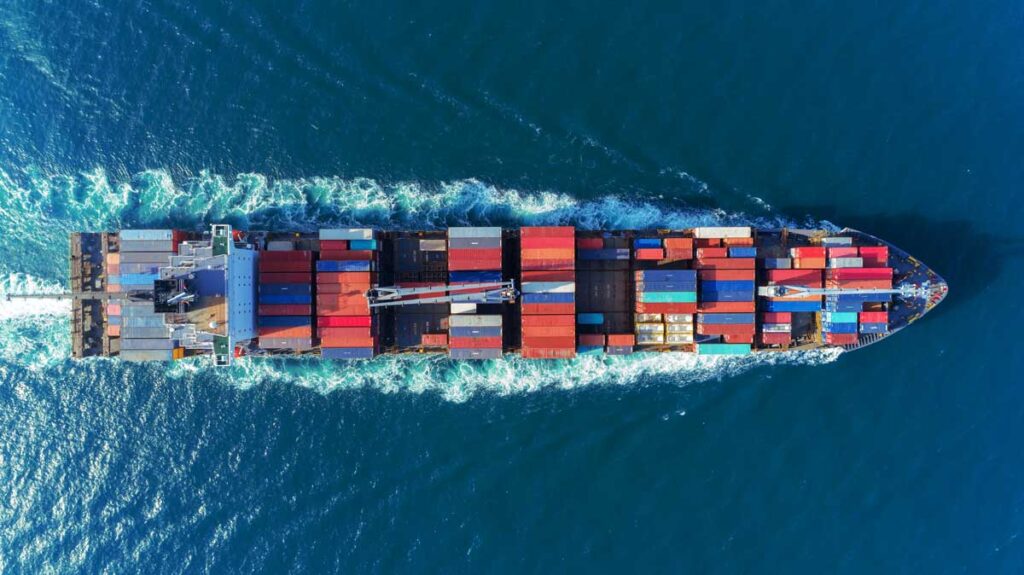
Duty handling refers to managing customs duties, taxes, and related paperwork when goods move between China and Italy. It ensures compliance with EU customs regulations, enabling importers to release goods without penalties or extra fees.
A reliable freight forwarder or customs broker takes care of:
- Import documentation and HS code classification
- Duty and VAT calculation
- Submission to Italian customs authorities
- Payment of import tariffs and clearance
Long-tail keywords: import duty China to Italy, customs clearance Italy, DDP shipping China to Italy, EU import tax handling, VAT handling Italy import.
2. Why Is Duty Handling Important for Importers?
Incorrect duty handling can lead to shipment delays, fines, or even confiscated goods. Moreover, duty management affects overall shipping costs and profit margins.
Key Benefits of Professional Duty Handling:
- Ensures customs compliance with EU rules
- Prevents penalties and shipment holds
- Optimizes total logistics cost
- Reduces clearance time
Semantic keywords: customs declaration, import procedures, supply chain optimization, EU trade compliance, tariff management.
3. How Are Import Duties Calculated for Goods from China to Italy?
Import duties are based on the CIF (Cost, Insurance, and Freight) value, the product’s HS code, and EU tariff rates. Italy applies the Common Customs Tariff (CCT) of the European Union.
| Calculation Component | Description | Example |
|---|---|---|
| Product Value | Declared invoice value | €10,000 |
| Freight & Insurance | Transport + insurance | €1,000 |
| Duty Rate | 5% (depends on HS code) | €550 |
| VAT | 22% (applied to CIF + duty) | €2,530 |
| Total Payable | CIF + Duty + VAT | €14,080 |
Long-tail keywords: calculate import duty China to Italy, customs VAT calculator Italy, HS code duty rates, tariff example Italy import.
What are you waiting for?
Contact chinatopfreight for a fast, free quote.
Are you ready to book?
Access live instant freight quotes
4. What Are the Common Customs Documents Required?
Having complete documentation avoids customs delays.
| Document | Purpose |
|---|---|
| Commercial Invoice | Declares goods value and description |
| Packing List | Lists package details, weight, and volume |
| Bill of Lading / Air Waybill | Proof of shipment |
| Certificate of Origin | Confirms Chinese manufacturing |
| Import License | Required for restricted products |
| EORI Number | Identifies EU importer |
Semantic keywords: customs paperwork, export license, import permit, shipping compliance, customs documentation checklist.
5. What Shipping Methods Affect Duty Handling from China to Italy?
Each shipping mode influences customs clearance speed and duty calculation differently.
| Mode | Transit Time | Duty Impact | Best For |
|---|---|---|---|
| Air Freight | 5–8 days | Lower risk of delay | Urgent or valuable cargo |
| Sea Freight (FCL/LCL) | 25–35 days | Ideal for bulk goods | High-volume shipments |
| Rail Freight | 15–20 days | Efficient mid-cost option | Mixed or palletized cargo |
| Express Courier (DDP) | 5–7 days | Duties prepaid by sender | E-commerce or small parcels |
Long-tail keywords: DDP delivery China to Italy, air freight duty handling, sea freight customs Italy, rail freight China Europe.
6. What Are DDP and DAP Terms in Duty Handling?
DDP (Delivered Duty Paid):
The seller handles all costs, duties, and taxes until delivery to the buyer’s location in Italy. Importers face no hidden charges.
DAP (Delivered at Place):
The seller ships the goods but the buyer pays import duties and VAT upon arrival in Italy.
| Term | Who Pays Duty | Best For |
|---|---|---|
| DDP | Seller | Businesses preferring hassle-free import |
| DAP | Buyer | Experienced importers managing own duties |
Semantic keywords: incoterms, DDP shipping cost, customs prepaid delivery, import responsibility, trade compliance Italy.
7. What Are the Transit Times for Shipping from China to Italy?
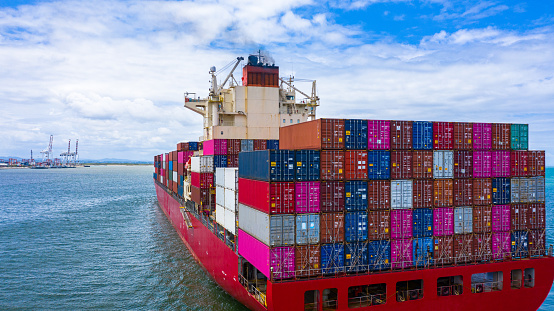
Transit time depends on route, mode, and customs processing speed.
| Shipping Method | Origin City | Destination | Transit Time |
|---|---|---|---|
| Air Freight | Shenzhen | Milan | 5–8 days |
| Sea Freight | Ningbo | Genoa | 28–35 days |
| Rail Freight | Xi’an | Milan | 15–18 days |
| Express | Guangzhou | Rome | 5–7 days |
8. How Can You Reduce Duty and Tax Costs Legally?
There are legal methods to optimize duty handling from China to Italy.
Strategies Include:
- Accurate HS code classification to prevent overpayment
- Using trade agreements and exemptions
- Declaring true but optimized product values
- Partnering with professional customs brokers
Moreover, using EU-approved freight forwarders ensures proper documentation and compliance.
Long-tail keywords: reduce customs duty Italy, EU tariff exemption, import duty optimization, trade compliance management.
9. What Are the Pros and Cons of Air vs Sea Freight for Duty Handling?
| Criteria | Air Freight | Sea Freight |
|---|---|---|
| Speed | Fastest (5–8 days) | Slow (25–35 days) |
| Duty Impact | Lower warehouse costs | Higher import volume |
| Cost | Expensive | Economical |
| Customs Risk | Minimal | May face inspection delays |
| Ideal Cargo | Electronics, urgent goods | Furniture, machinery |
Semantic keywords: freight comparison, cost vs speed, shipping efficiency, logistics decision-making.
10. How Can a Freight Forwarder Help with Duty Handling China to Italy?
- A professional forwarder like ChinaTopFreight ensures end-to-end management of your imports:
- Classifying HS codes
- Preparing customs entries
- Paying duties/VAT on behalf of clients
- Tracking cargo to final delivery
Moreover, they can offer DDP delivery, meaning you pay a single all-inclusive price with no surprise charges.
Long-tail keywords: freight forwarder China to Italy, customs brokerage service, DDP import management, trade logistics Italy.
Conclusion
Proper duty handling China to Italy guarantees customs compliance, faster clearance, and cost control. Therefore, businesses importing from China should rely on professional freight forwarders to manage documentation, calculate duties, and ensure timely delivery. Partnering with ChinaTopFreight ensures transparency, efficiency, and peace of mind throughout your logistics journey.
FAQ
1. What taxes apply when importing from China to Italy?
Importers must pay customs duty (varies by product) and VAT (22%), based on the CIF value and declared invoice amount.
2. Can I import goods under DDP terms to Italy?
Yes, under DDP, the seller pays all import duties, VAT, and handling fees, ensuring your shipment arrives fully cleared in Italy.
3. How can I find my product’s HS code for duty calculation?
You can check the TARIC database or ask your freight forwarder to classify your product correctly before shipment.
4. What happens if duties are unpaid upon arrival?
Unpaid duties cause customs holds or penalties. Shipments may be stored until full payment and documentation are completed.
5. Is duty handling the same for personal and commercial shipments?
No, commercial imports require EORI registration and VAT documentation, while personal parcels may be exempt under value limits.