

- By ayla tj
- November 10, 2025
- Logistics Guide
Businesses searching for railway shipping China to Singapore increasingly turn to this modern logistics solution for its balance of speed, cost efficiency, and reliability. The China–Laos–Thailand–Malaysia–Singapore rail corridor offers a faster, greener alternative to traditional sea routes, simplifying trade for importers and exporters across Asia.

1. What Is Railway Shipping from China to Singapore?
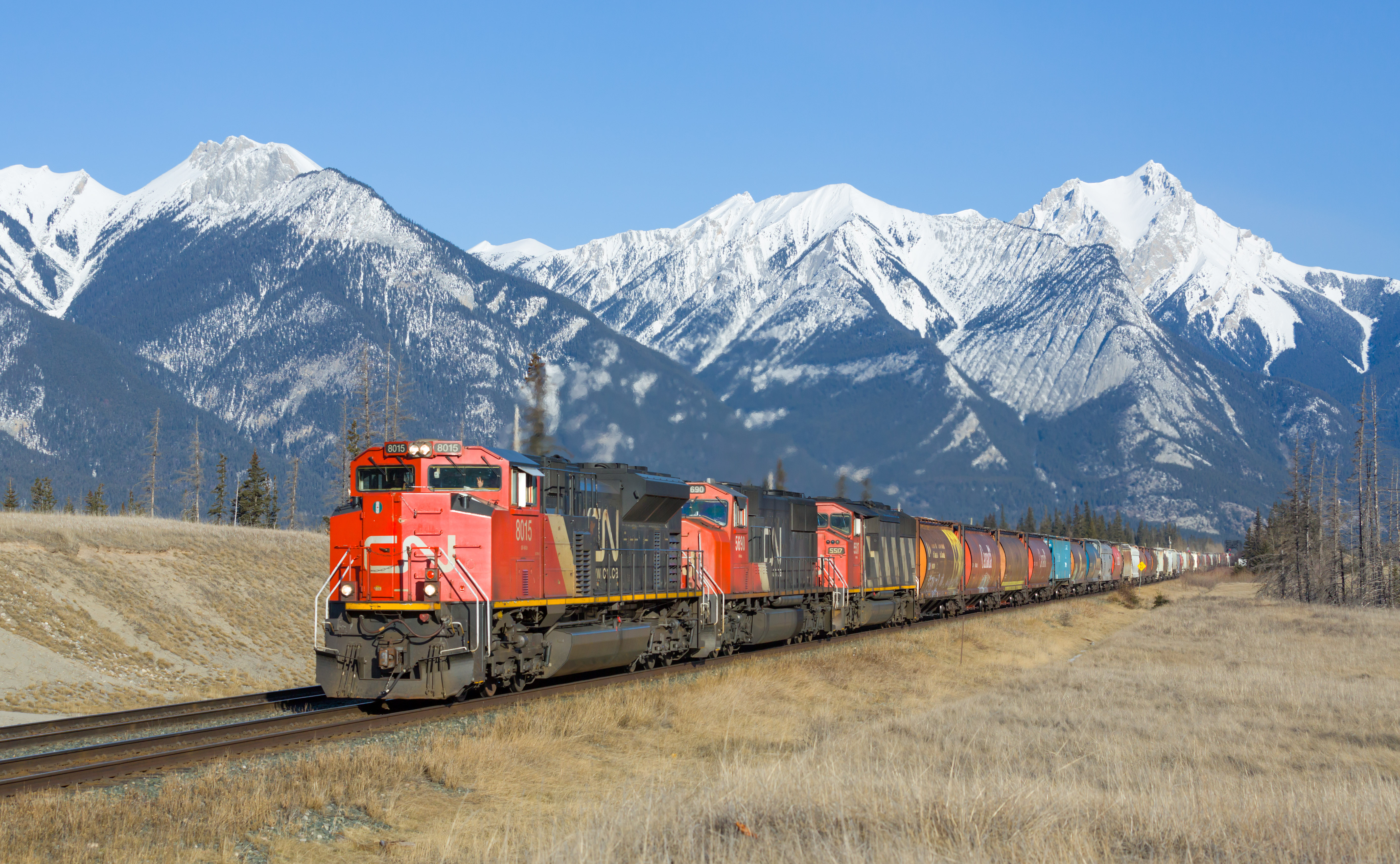
Railway shipping refers to transporting goods via an interconnected freight rail network extending from China through Southeast Asia to Singapore. The route forms part of the Pan-Asia Railway Network, connecting major Chinese logistics hubs like Kunming and Chongqing to Thailand and Malaysia before reaching Singapore.
Key Benefits:
- Shorter transit time compared to sea freight
- Lower cost compared to air freight
- Eco-friendly and stable delivery schedules
Long-tail keywords: China–Singapore freight train, cross-border rail logistics, China–ASEAN trade route, rail cargo service Southeast Asia, inland railway transportation.
2. How Does Railway Shipping China to Singapore Work?
Goods are transported from inland factories to Chinese rail terminals, consolidated into containers, and moved through the China–Laos Railway. The route extends through Thailand and Malaysia before reaching Singapore via the Klang Valley and Johor Bahru rail connections.
Process Overview:
- Exporter books space with a freight forwarder.
- Goods are loaded and sealed at the rail terminal.
- Customs documents are submitted for clearance.
- Train travels through partner countries under bonded transport.
- Cargo arrives in Singapore for final customs and delivery.
Semantic keywords: customs declaration, bonded transport, logistics corridor, ASEAN connectivity, multimodal transport, rail freight operation.
3. Why Choose Railway Shipping Over Other Modes?
Rail freight bridges the gap between the affordability of sea freight and the speed of air cargo. It’s ideal for time-sensitive goods that don’t justify the cost of air transport.
| Transport Mode | Transit Time | Cost Level | Reliability | Best For |
|---|---|---|---|---|
| Railway Freight | 10–15 days | Medium | High | General cargo, electronics |
| Sea Freight | 20–30 days | Low | Medium | Bulk or large-volume goods |
| Air Freight | 3–5 days | High | Very High | Urgent shipments |
| Express Courier | 4–7 days | Highest | Very High | Small parcels |
Long-tail keywords: rail freight vs sea freight, China Singapore delivery time, sustainable logistics Asia, multimodal comparison.
4. What Are the Main Routes and Transit Times?
The China–Singapore railway corridor links key trade hubs across multiple countries.
| Route Segment | Countries Covered | Estimated Transit Time |
|---|---|---|
| Kunming – Vientiane | China, Laos | 2–3 days |
| Vientiane – Bangkok | Laos, Thailand | 3–4 days |
| Bangkok – Kuala Lumpur | Thailand, Malaysia | 3–4 days |
| Kuala Lumpur – Singapore | Malaysia, Singapore | 1–2 days |
| Total Estimated Transit Time | — | 10–13 days |
This route connects Singapore directly with China’s inland provinces, significantly cutting time compared to sea transport.
Semantic keywords: Belt and Road Initiative, Pan-Asia railway, China–Laos railway freight, ASEAN supply chain.
5. How Much Does Railway Shipping from China to Singapore Cost?
Pricing depends on cargo type, volume, and service terms (DDP, DAP, EXW, or FOB). On average, rail freight costs 40–50% less than air and is 30–40% faster than sea freight.
| Cargo Type | Cost Range (USD) | Transit Time | Notes |
|---|---|---|---|
| LCL (Less than Container Load) | $80–$130/CBM | 12–15 days | For small shipments |
| FCL (20ft Container) | $2,000–$2,600 | 10–13 days | Standard container |
| FCL (40ft Container) | $3,200–$4,000 | 10–13 days | Large-volume cargo |
Long-tail keywords: freight rates China to Singapore, cargo pricing comparison, rail logistics cost efficiency, DDP rail freight Asia.
Are you ready to book?
Access live instant freight quotes
6. What Types of Goods Can Be Transported by Rail?
Rail freight is ideal for most non-perishable and high-value products.
Common Commodities Include:
- Electronics and appliances
- Textiles, footwear, and clothing
- Machinery and automotive parts
- Furniture and home décor
- Consumer packaged goods
Restrictions:
- Hazardous materials
- Temperature-sensitive products (unless using refrigerated containers)
- Oversized cargo exceeding gauge limits
Semantic keywords: rail freight commodities, trade goods ASEAN, electronics shipping China Singapore, cargo classification.
7. What Documents Are Required for Customs Clearance?
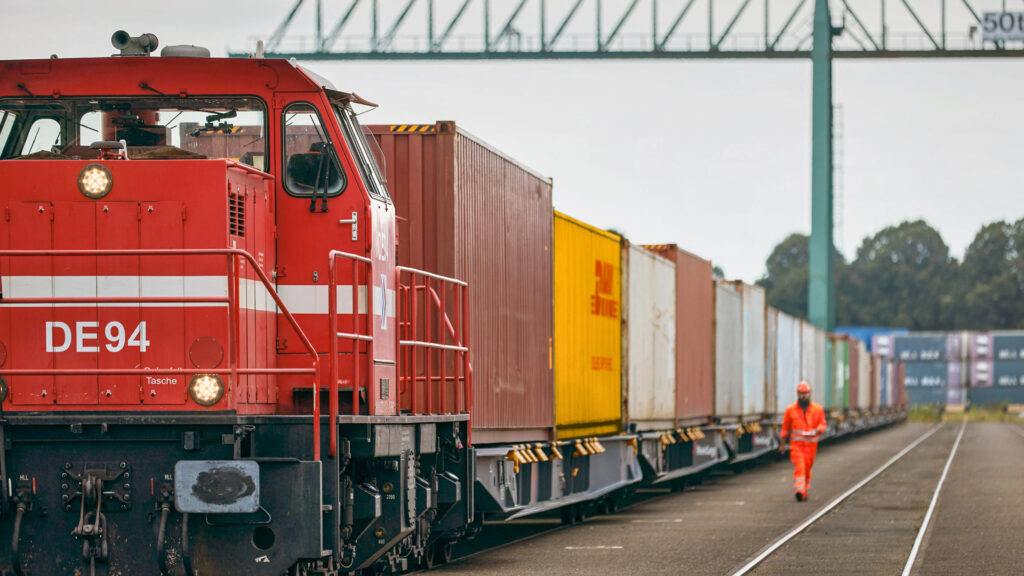
Proper documentation ensures smooth border transit and customs release.
| Document | Purpose |
|---|---|
| Commercial Invoice | Declares goods’ value and purpose |
| Packing List | Lists contents and dimensions |
| Bill of Lading (Rail Waybill) | Confirms shipment details |
| Certificate of Origin | Confirms manufacturing origin |
| Import Permit (if applicable) | Required for restricted goods |
| Insurance Certificate | Protects against in-transit loss |
Long-tail keywords: customs paperwork ASEAN rail, import documentation Singapore, clearance checklist China freight.
8. What Are the Advantages of Railway Shipping China to Singapore?
Key Advantages:
- Speed and Efficiency: Cuts transit time by up to 50% compared to sea freight.
- Cost-Effective: Cheaper than air freight for mid-value cargo.
- Eco-Friendly: Rail emits up to 70% less CO₂ per ton than air or road.
- Reliable Scheduling: Less affected by weather disruptions or port congestion.
- Door-to-Door Integration: Easily combined with trucking for last-mile delivery.
| Feature | Advantage |
|---|---|
| Timeliness | Consistent schedules |
| Cost | Competitive for medium cargo loads |
| Environmental Impact | Lower emissions |
| Tracking | Real-time visibility |
| Connectivity | Access to ASEAN and Europe |
9. Are There Any Limitations to Railway Shipping?
While rail freight offers many benefits, it’s not without constraints.
Limitations Include:
- Limited reefer container availability for perishables
- Slightly higher costs than ocean freight
- Complex cross-border coordination across multiple customs systems
However, modern digital platforms and professional freight forwarders help minimize these challenges through automation and pre-cleared documentation.
Long-tail keywords: rail logistics challenges, customs bottlenecks, ASEAN rail integration, freight forwarding solutions.
10. How Does Railway Shipping Support the Belt and Road Initiative?
The Belt and Road Initiative (BRI) enhances regional trade by creating integrated transport corridors linking China with Southeast Asia, the Middle East, and Europe. The China–Singapore rail link plays a vital role by reducing dependency on sea routes and improving supply chain resilience.
Strategic Impacts:
- Diversifies transport networks
- Strengthens China–ASEAN cooperation
- Promotes infrastructure investment
- Boosts trade flow and regional economic growth
Semantic keywords: BRI logistics, China ASEAN cooperation, cross-border trade, economic corridor.
Conclusion
The future of railway shipping China to Singapore is bright, supported by modern infrastructure, strong trade agreements, and rising demand for efficient cross-border logistics. Therefore, businesses seeking faster transit times, cost control, and greener supply chains can rely on this expanding railway corridor. Partner with trusted freight experts like ChinaTopFreight to ensure your shipments move seamlessly from China to Singapore—on time, on budget, and with complete peace of mind.
FAQ
1. How long does railway shipping take from China to Singapore?
Transit time typically ranges between 10–15 days, depending on origin city, customs clearance speed, and the final delivery destination in Singapore.
2. Is railway freight cheaper than air freight?
Yes, railway freight is about 40–50% cheaper than air cargo while maintaining faster delivery than traditional sea freight.
3. Can perishable goods be transported by rail?
Yes, but only in temperature-controlled (reefer) containers, which have limited availability on the China–Singapore corridor.
4. What customs duties apply in Singapore?
Singapore levies a 7% GST on CIF value, while most goods enjoy zero import duties under the country’s open trade policy.
5. Can small businesses use rail freight?
Absolutely. LCL (Less than Container Load) services allow small importers to ship consolidated goods affordably via railway networks.