

- By ayla tj
- November 12, 2025
- Logistics Guide
Understanding import customs China to Singapore is crucial for smooth cross-border trade. Whether you’re an e-commerce seller, distributor, or manufacturer, mastering customs procedures ensures your goods clear inspection efficiently, reducing delays and unexpected costs.

1. What Are the Basic Requirements for Importing Goods from China to Singapore?
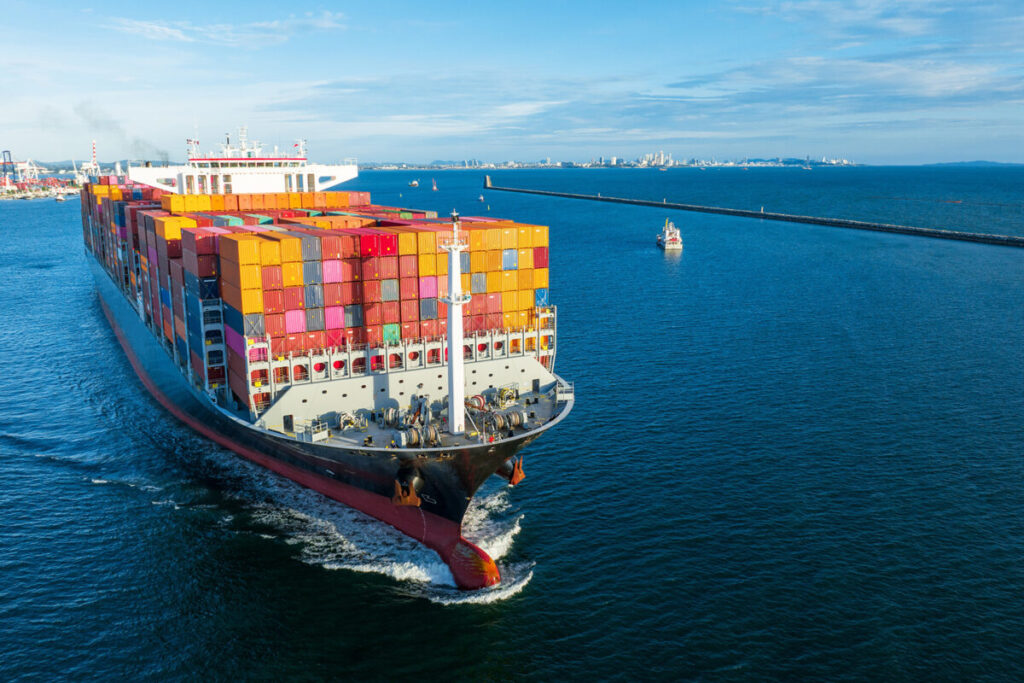
Importing goods from China into Singapore requires compliance with Singapore Customs regulations. Both businesses and individuals must hold the necessary permits and documents before the goods arrive.
Essential Requirements Include:
- A valid Customs Account registered with Singapore Customs.
- An Importer/Exporter Code (UEN) for business entities.
- An IN Permit (Import Permit) issued via the TradeNet® system.
- Proper invoice, packing list, and Bill of Lading for verification.
Tip: Ensure your supplier in China provides accurate documentation; discrepancies can lead to penalties or delayed customs clearance.
2. How Does the Import Customs Process Work Between China and Singapore?
The customs clearance process involves several stages that ensure compliance and security of imported goods.
| Step | Description | Responsible Party |
|---|---|---|
| 1 | Submit Import Declaration via TradeNet® | Importer or Broker |
| 2 | Customs Documentation Verification | Singapore Customs |
| 3 | Payment of Duties & GST | Importer |
| 4 | Cargo Examination (if required) | Customs Officer |
| 5 | Cargo Release | Port Operator / Freight Forwarder |
Note: Most shipments clear within 1–2 working days if documents are accurate and complete.
3. What Are the Key Customs Documents Needed for Import Clearance?
To ensure compliance, you must prepare all essential documents before your shipment arrives.
| Document | Description | Issued By |
|---|---|---|
| Commercial Invoice | Declares value and description of goods | Exporter |
| Packing List | Details package quantity, dimensions, and weight | Exporter |
| Bill of Lading / Air Waybill | Proof of shipment ownership | Carrier |
| Certificate of Origin | Verifies where goods are produced | Chamber of Commerce |
| Import Permit (IN Permit) | Legal approval to import | Singapore Customs |
| Insurance Certificate | Covers damages during transit | Insurance Provider |
Pro Tip: Keep both digital and hard copies of all documents to expedite clearance in case of random inspection.
What are you waiting for?
Contact chinatopfreight for a fast, free quote.
Are you ready to book?
Access live instant freight quotes
4. How Much Are Import Duties and Taxes in Singapore?
Singapore is known for its low import tax structure, encouraging global trade. However, importers must pay Goods and Services Tax (GST) and, for some items, Customs Duties.
| Tax Type | Rate | Applies To |
|---|---|---|
| Customs Duty | 0–20% | Alcohol, tobacco, motor vehicles |
| GST | 9% (from 2024) | All imported goods |
| Excise Duty | Varies | Restricted or controlled goods |
Example Calculation:
If goods CIF value = SGD 5,000,
GST = 9% × 5,000 = SGD 450
Total Payable = SGD 450 (if non-dutiable).
Note: Many industrial goods and raw materials are exempt from customs duties, but GST always applies.
5. What Goods Require Special Permits or Restrictions?
Certain categories of products need special approvals before importation due to health, safety, or environmental regulations.
| Product Category | Governing Authority | Special Requirement |
|---|---|---|
| Pharmaceuticals, medical devices | Health Sciences Authority (HSA) | Import License |
| Food & beverages | Singapore Food Agency (SFA) | Import Certificate |
| Electrical equipment | Enterprise Singapore | Safety Mark Certification |
| Cosmetics & skincare | HSA | Notification of Product |
| Chemicals | NEA (National Environment Agency) | Controlled Substance Permit |
Tip: Always verify with your freight forwarder or customs broker whether your goods fall under restricted categories.
6. How Long Does Customs Clearance Take in Singapore?
Singapore’s customs system is among the most efficient globally.
| Clearance Type | Estimated Duration | Description |
|---|---|---|
| Standard Cargo | 1–2 working days | Normal shipments with complete documents |
| Controlled Goods | 2–5 working days | Requires agency approval |
| Express Shipments | Within 24 hours | For courier parcels under simplified process |
| Inspected Cargo | 2–4 working days | Subject to random inspection |
However, clearance may be delayed if documents contain discrepancies or if goods are randomly flagged for inspection.
7. What Are the Available Shipping Methods from China to Singapore?
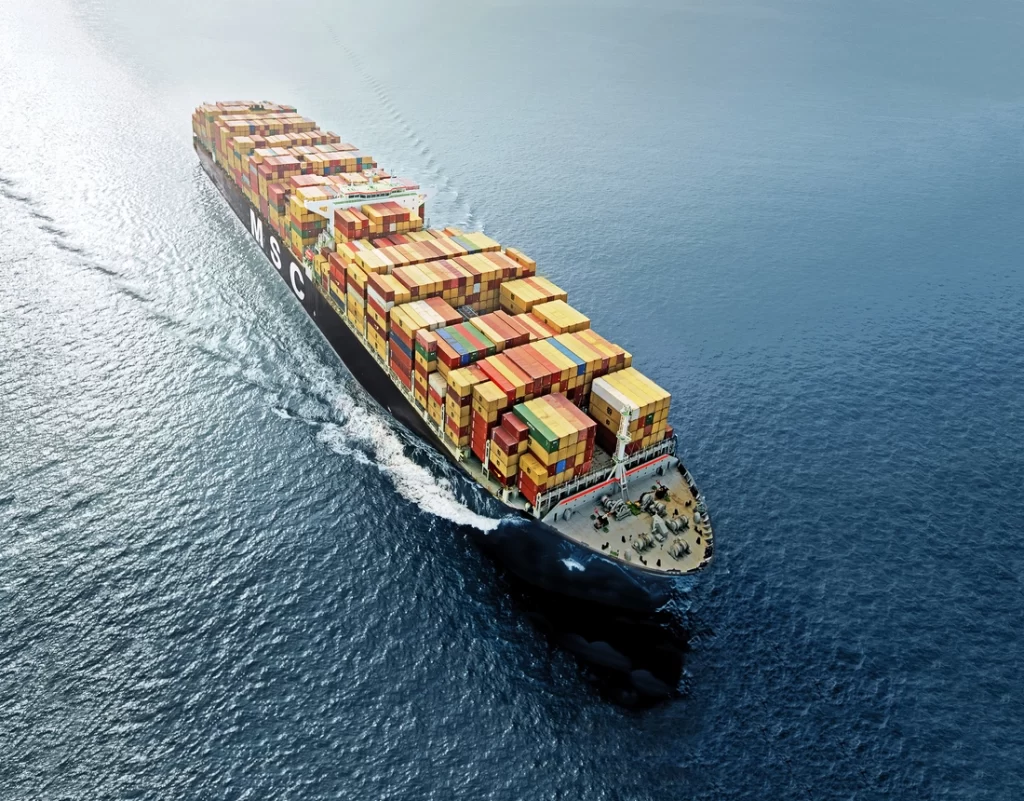
Shipping choices depend on your budget, urgency, and product type.
| Shipping Mode | Transit Time | Cost Range | Ideal For | Pros | Cons |
|---|---|---|---|---|---|
| Sea Freight (FCL) | 5–8 days | Low | Large cargo | Economical | Slower |
| Sea Freight (LCL) | 7–10 days | Moderate | Small batches | Shared container | Longer consolidation time |
| Air Freight | 1–3 days | High | Urgent shipments | Fast, secure | Expensive |
| Express Courier (DHL/FedEx) | 1–2 days | Very High | Small parcels | Door-to-door | Limited by weight |
Tip: Sea freight is the most cost-effective method for bulk shipments, while air freight suits time-sensitive goods.
8. How Are Customs Duties and GST Calculated?
Duties and GST are computed based on the CIF (Cost + Insurance + Freight) value of goods.
| Component | Definition |
|---|---|
| Cost | The invoice value of goods |
| Insurance | Freight insurance premium |
| Freight | Shipping cost from China to Singapore |
Formula:
Total CIF Value × (Customs Duty + GST Rate) = Payable Tax
Example:
If the CIF value = SGD 10,000
Customs Duty = 0%
GST (9%) = SGD 900
Total = SGD 10,900 payable value
Pro Tip: Declare the correct CIF value to prevent under-declaration penalties.
9. What Are the Most Common Import Mistakes to Avoid?
Many importers lose time and money due to avoidable errors.
| Mistake | Consequence | Solution |
|---|---|---|
| Incomplete documentation | Customs delays | Verify all paperwork before departure |
| Wrong HS Code classification | Overpaid duties | Use correct HS Code per product |
| Under-declaration of goods | Penalty or confiscation | Declare full value honestly |
| Ignoring controlled goods permits | Shipment rejection | Check permit requirements in advance |
| Late duty payment | Storage fees | Pay promptly through TradeNet® |
Therefore, maintaining compliance and accuracy ensures faster cargo release and lower costs.
10. What Is the Role of a Customs Broker or Freight Forwarder?
A customs broker or freight forwarder simplifies the import process by managing declarations, permits, and tax payments on your behalf.
Benefits of Using a Customs Broker:
- Accurate document preparation and submission
- HS code classification and valuation advice
- Coordination with government agencies
- Reduced clearance time and penalties
- Assistance with bonded warehousing or re-export
Tip: Choose a broker with experience in import customs China to Singapore to ensure seamless coordination between Chinese exporters and Singapore authorities.
Conclusion
Navigating import customs China to Singapore requires attention to detail, accurate documentation, and compliance with all customs regulations. With a clear understanding of duties, GST, and documentation requirements, importers can streamline logistics operations and prevent costly delays.
By partnering with a professional customs broker or freight forwarder, you can ensure your goods move smoothly from China’s ports to Singapore’s markets — efficiently, legally, and on schedule.
FAQ
1. How much GST do I pay when importing goods into Singapore?
You pay 9% GST on the CIF value (Cost + Insurance + Freight) of your imported goods, regardless of product type.
2. Can I import goods without a customs broker?
Yes, but using a licensed customs broker ensures faster processing and accurate documentation for smooth clearance.
3. How long does customs clearance usually take?
Standard shipments clear in 1–2 working days; restricted goods may require 2–5 days, depending on agency approvals.
4. Are there duties on goods imported from China?
Most goods are duty-free, except for controlled items like alcohol, tobacco, and vehicles. GST still applies to all imports.
5. What happens if I under-declare my cargo value?
Singapore Customs may impose fines, detain cargo, or suspend your import permit for deliberate misdeclaration.