

- By ayla tj
- November 13, 2025
- Logistics Guide
Hiring a customs broker China to Spain is one of the most important steps for businesses importing goods into the Spanish market. However, many companies face challenges such as incorrect HS codes, delayed customs clearance, high duties, or incomplete documentation. Therefore, this comprehensive guide explains everything importers need to know—customs procedures, shipping options, taxes, documentation, transit times, and how to avoid common clearance issues.

1. What Does a Customs Broker China to Spain Do and Why Do Importers Need One?
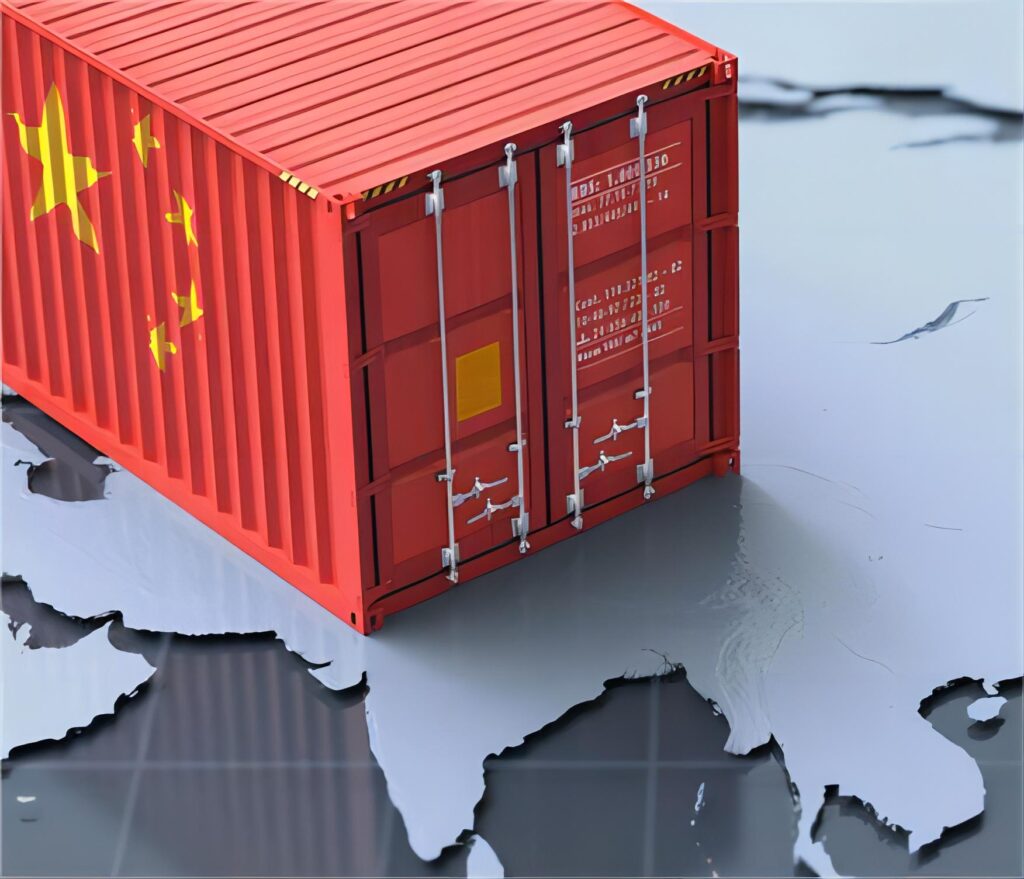
A customs broker China to Spain handles all customs formalities required for importing goods into Spain, ensuring compliance with Spanish and EU regulations. Moreover, working with an experienced broker reduces the risk of delays, penalties, or shipment holds.
Key Responsibilities of a Customs Broker
- Classifying goods using accurate HS codes
- Preparing and submitting customs declarations
- Handling duties, VAT, and import taxes
- Checking documentation for compliance
- Coordinating inspections if required
- Advising on product regulations
- Ensuring smooth customs clearance
This service is important because Spain, as part of the EU, has strict import rules designed to protect consumers and regulate international trade.
2. How Does Customs Clearance Work for China-to-Spain Imports?
When importing goods from China into Spain, customs follows an EU-wide clearance procedure.
Customs Clearance Steps
- Goods depart from China
- Arrival at a Spanish port/airport
- Submission of customs documentation
- HS code classification & tariff calculation
- Payment of duties and VAT
- Physical inspection (if selected)
- Customs release and last-mile delivery
Because clearance depends on accuracy and compliance, many importers rely on professional customs brokers to avoid mistakes.
3. What Documents Are Required for Customs Clearance in Spain?
Documentation is crucial when handling international shipments. Missing documents often cause clearance delays.
| Document | Purpose |
|---|---|
| Commercial Invoice | Declares product value and details |
| Packing List | Shows weight, packaging, and quantity |
| Bill of Lading / Air Waybill | Transport record |
| Certificate of Origin | For tariff and FTA eligibility |
| HS Codes | Determines duty percentage |
| CE Certificates | Required for electronics, toys, medical items |
| Importer’s EORI Number | Mandatory for all EU imports |
| Product Test Reports | Needed for regulated goods |
| Insurance Certificate (optional) | For cargo protection |
Providing accurate documentation helps avoid inspections and fines.
What are you waiting for?
Contact chinatopfreight for a fast, free quote.
Are you ready to book?
Access live instant freight quotes
4. What Are the Costs When Hiring a Customs Broker China to Spain?
Costs vary by product type, cargo size, and service requirements.
| Service Type | Typical Cost |
|---|---|
| Customs Declaration Fee | €60 – €150 |
| Document Verification | €20 – €80 |
| HS Code Classification | €15 – €40 |
| Inspection Handling | €30 – €90 |
| Import VAT Handling | Depends on cargo value |
| Duty Calculation | Included in declaration |
| Additional Storage Charges | Based on port/warehouse |
Although these fees vary, hiring a broker helps avoid far costlier delays and penalties.
5. What Are the Shipping Options When Sending Goods From China to Spain?
Although these fees vary, hiring a broker helps avoid far costlier delays and penalties.
| Method | Transit Time | Cost Level | Best For | Pros | Cons |
|---|---|---|---|---|---|
| Express Courier | 4–8 days | High | Small parcels | Fastest, door-to-door | Expensive |
| Air Freight | 7–12 days | Medium | Urgent items | Reliable & quick | Costly for heavy cargo |
| Rail Freight | 18–25 days | Medium–Low | EU shipments | Eco-friendly, stable | Limited capacity |
| Sea Freight LCL | 30–40 days | Low | Small to mid-size cargo | Affordable | Slower |
| Sea Freight FCL | 28–38 days | Lowest | Large volume | Best per-unit cost | Requires full container |
Sea freight is the most commonly used method for bulk imports due to its cost efficiency.
6. How Long Does It Take to Import Goods From China to Spain?
Transit time depends on the chosen logistics service, port of departure, and final delivery location.
| Origin | Sea FCL | Sea LCL | Rail Freight | Air Freight | Express Courier |
|---|---|---|---|---|---|
| Shenzhen | 30–36 days | 32–40 days | 18–24 days | 7–10 days | 4–7 days |
| Shanghai | 28–34 days | 30–38 days | 18–25 days | 7–11 days | 4–8 days |
| Ningbo | 28–35 days | 30–40 days | 20–25 days | 7–10 days | 4–7 days |
| Qingdao | 32–38 days | 34–42 days | 20–26 days | 8–12 days | 4–7 days |
Additional time is needed for Spanish customs clearance (1–3 days).
7. What Are the Import Taxes and Duties for China-to-Spain Shipments?
Spain follows EU tax regulations. Therefore, VAT and duty must be calculated accurately.
| Charge Type | Rate | Details |
|---|---|---|
| Import Duty | 0%–12% | Depends on HS code |
| VAT | 21% | Standard rate in Spain |
| Reduced VAT (Food/Books) | 4%–10% | Applies to specific goods |
| Anti-Dumping Duties | Varies | Applied to certain product categories |
Factors Affecting Duties
- HS code classification
- Country of origin
- Product type
- Declared value
Incorrect classification can lead to fines or goods being held.
8. Why Is HS Code Accuracy So Important for China-to-Spain Imports?
HS codes determine duty rates, inspection requirements, and customs risk level. Moreover, errors can result in costly delays.
Common HS Code Issues
- Wrong classification leading to overpayment or penalties
- Under-declaration triggering audits
- Missing code causing clearance delays
Customs brokers ensure goods are classified correctly according to EU rules.
9. What Types of Products Require Special Clearance in Spain?
Some goods require extra documentation or regulatory compliance.
Regulated Products Include
- Electronics (CE marking required)
- Toys (EN71 certification)
- Food items
- Chemicals
- Cosmetics
- Medical devices
- Textile goods with fiber content labels
- Lithium battery products
Failure to comply with EU safety standards can result in seizure or destruction of goods.
10. What Are the Pros and Cons of Using a Customs Broker China to Spain?
| Pros | Cons |
|---|---|
| Faster customs clearance | Service fees apply |
| Avoids errors in documentation | Requires choosing reliable broker |
| Reduces inspections | Some complex products may still face checks |
| Ensures EU compliance | Broker miscommunication can cause delays |
| Handles import taxes | Not all brokers support every product category |
Choosing an experienced broker greatly outweighs the minimal cost involved.
Conclusion
Working with a customs broker China to Spain ensures faster customs clearance, accurate documentation, and smooth import operations. Moreover, using the right HS codes, preparing proper certificates, and choosing reliable logistics methods significantly reduce risks and costs. Whether you are an importer, wholesaler, or eCommerce seller, partnering with a professional broker improves compliance, saves time, and enhances supply chain efficiency. If you want trouble-free imports from China to Spain, consider using expert customs solutions tailored to your product category and business needs.
FAQ
1. Do I need an EORI number to import goods into Spain?
Yes. All EU importers must have an EORI number. It is required for customs clearance, tax calculation, and completing import declarations for Spain and other EU countries.
2. How long does Spanish customs clearance take?
Clearance typically takes 1–3 days if documentation is correct. However, inspections, incomplete documents, or peak-season congestion may extend processing time by several days.
3. Can a customs broker help reduce taxes or duties?
A broker cannot change tax rates, but they ensure accurate HS code classification, which prevents overpayment and reduces risk of fines or unnecessary inspections.
4. What products require CE certification when importing from China?
Electronics, toys, machinery, medical devices, and many consumer products require CE marking. Without proper certification, customs may reject or seize the goods.
5. Is DDP shipping reliable for Spain?
DDP is reliable when handled by a professional forwarder. It includes customs clearance and taxes, but importers must ensure transparency to avoid unexpected fees.