

- By ayla tj
- November 18, 2025
- Logistics Guide
Managing import taxes correctly is essential for businesses shipping goods internationally, especially when dealing with duty handling china to usa. Moreover, incorrect duty calculation or incomplete documentation can cause delays, penalties, or unexpected storage fees. Therefore, understanding how U.S. customs duties work helps importers reduce risks and ensure smooth supply-chain operations.

What Is Duty Handling China to USA and Why Does It Matter?

Duty handling china to usa refers to calculating, declaring, and paying import duties, tariffs, and taxes to U.S. Customs and Border Protection (CBP). Additionally, duties depend on product type, value, classification, and trade regulations, which often change due to economic policies and logistics trends.
Why Duty Handling Is Important
- Prevents customs penalties
- Ensures accurate landed cost calculation
- Avoids shipment holds and delays
- Supports compliant import operations
- Helps businesses estimate logistics budgets
How Are Import Duties Calculated for Shipments from China to the USA?
Duty calculations follow a specific formula that includes product value, freight cost, and insurance value.
| Component | Description |
|---|---|
| Customs Value | Product value listed on invoice |
| Duty Rate | Based on HS code (0–25%+) |
| Freight Cost | Added to customs value |
| Insurance Cost | Included in CIF value |
| Total Duty | CIF × duty rate |
What Is the CIF Value and Why Is It Important?
CIF stands for Cost + Insurance + Freight, and it forms the basis for assessing U.S. customs duties.
CIF Components
- Product value
- International freight
- Insurance cost
Duty and tax calculations always start with CIF, not product price alone.
What are you waiting for?
Contact chinatopfreight for a fast, free quote.
Are you ready to book?
Access live instant freight quotes
What Documents Are Required for Duty Handling China to USA?
Accurate documentation ensures CBP accepts your duty declarations without errors.
| Document | Purpose |
|---|---|
| Commercial Invoice | Declares value & HS code |
| Packing List | Box details |
| Bill of Lading / AWB | Shipping proof |
| Importer Tax ID (EIN) | Required for entry |
| HS Codes | Determines tariffs |
| Country of Origin | Confirms China as source |
| FDA/FTA Certificates | If applicable |
| Insurance Certificate | Optional |
Missing or incorrect documentation commonly triggers customs delays.
What Are HS Codes and Why Are They Crucial for Duty Handling?
HS codes determine duty rates and regulatory requirements. Moreover, misclassification is a top reason for customs penalties.
| Category | Sample HS Code |
|---|---|
| Electronics | 8517, 8543 |
| Furniture | 9401, 9403 |
| Clothing | 6109, 6203 |
| Machinery | 8421, 8479 |
| Toys | 9503 |
How Do Section 301 Tariffs Affect Duty Handling for China–USA Shipments?
Section 301 is a special tariff imposed on many Chinese products.
Key Points
- Rates range from 7.5% to 25%+
- Applies to thousands of product categories
- Importers must check if their goods are listed
- Duty refunds may apply through exclusions
Additionally, Section 301 duties are charged on top of normal tariffs.
How Long Does Duty Handling Take in the USA?
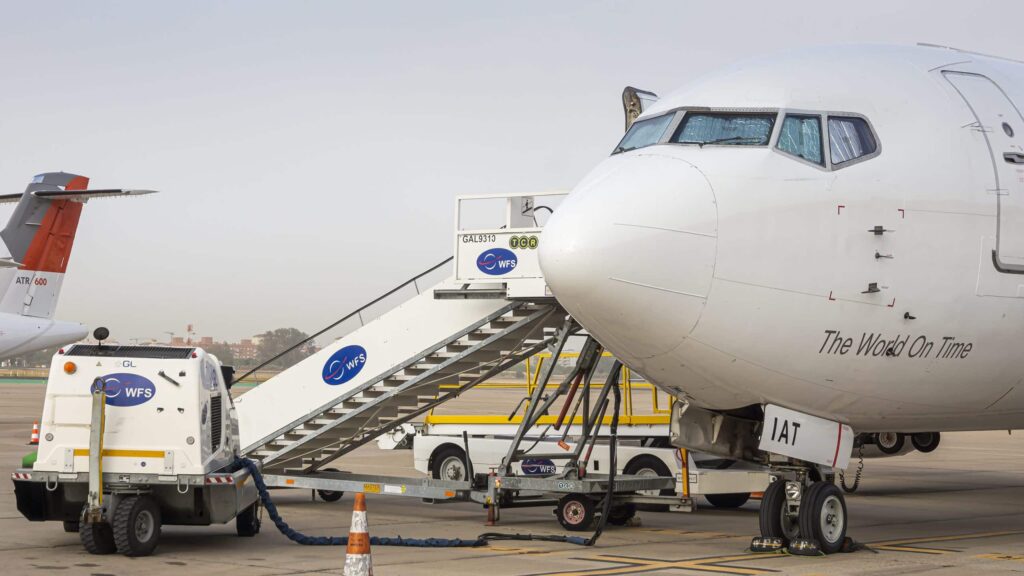
Duty processing time depends on shipment type, customs broker efficiency, and paperwork accuracy.
| Shipping Method | Duty Processing Time |
|---|---|
| Air Freight | 1–2 days |
| Express | Same day |
| Sea Freight | 2–5 days |
| High-Value Goods | 3–7 days |
| Shipments Requiring FDA/USDA | +2–10 days |
What Shipping Method Is Best for Managing Duties from China to the USA?
| Method | Transit Time | Duty Impact | Pros | Cons |
|---|---|---|---|---|
| Sea Freight (FCL) | 18–30 days | Stable | Low cost | Slower |
| LCL Sea Freight | 22–35 days | CBM-based | Good for small loads | More handling |
| Air Freight | 3–7 days | Weight-based | Fast | High cost |
| Express | 3–5 days | All-inclusive | Simple | Limited size |
| Rail (via Europe) | 15–25 days | Indirect | Balanced | Requires multimodal |
What Are the Most Common Mistakes in Duty Handling China to USA?
Top Errors Importers Make
- Incorrect HS codes
- Under-valued invoices
- Missing certificates
- Wrong country of origin labeling
- Inaccurate packing lists
- Ignoring Section 301 tariffs
- Selecting wrong Incoterms
Furthermore, CBP may flag suspicious shipments for inspection.
How to Reduce Duties When Importing From China to the USA?
Duty Reduction Strategies
- Check Section 301 exclusion lists
- Ensure correct HS classification
- Use First Sale for Export valuation
- Avoid mislabeling origin
- Reduce packaging to lower freight cost (affects CIF)
- Split shipments smartly when appropriate
Additionally, professional customs brokers can identify potential duty savings.
Conclusion
In conclusion, duty handling china to usa requires careful planning, accurate documentation, and proper tariff classification to ensure smooth customs clearance. When importers apply correct HS codes, understand CIF values, and comply with Section 301 rules, they can avoid delays and reduce unexpected costs. Moreover, working with experienced customs experts helps businesses achieve reliable, compliant, and cost-efficient import operations.
FAQ
1. How are duties calculated for imports from China to the USA?
Duties are based on HS codes, CIF value, and applicable tariffs. Section 301 charges may also apply to many goods originating from China.
2. Do I need a customs broker for duty handling?
While not mandatory, a customs broker ensures correct HS codes, accurate declarations, and faster clearance, greatly reducing the risk of customs delays.
3. How can I reduce duty costs when importing from China?
You can optimize costs by checking tariff exclusions, using correct HS codes, improving packaging efficiency, and exploring First Sale for Export valuation.
4. What happens if my duty declaration is incorrect?
Incorrect declarations may result in delays, penalties, inspections, or shipment holds. CBP may also request additional documentation to verify accuracy.
5. Can air freight simplify duty handling?
Yes. Air freight typically offers faster customs processing and fewer checkpoints, helping accelerate duty assessment and overall delivery speed.