

- By ayla tj
- November 21, 2025
- Logistics Guide
Importing goods into Belgium provides strong access to the EU market; however, duty handling China to Belgium often becomes challenging for many importers because of complex customs rules, HS classifications, VAT costs, and documentation requirements. Moreover, unexpected delays or incorrect declarations can lead to penalties and costly storage fees. This guide explains every essential step to help you achieve smoother, faster, and more predictable duty handling.
What Is Duty Handling China to Belgium and Why Is It Important?
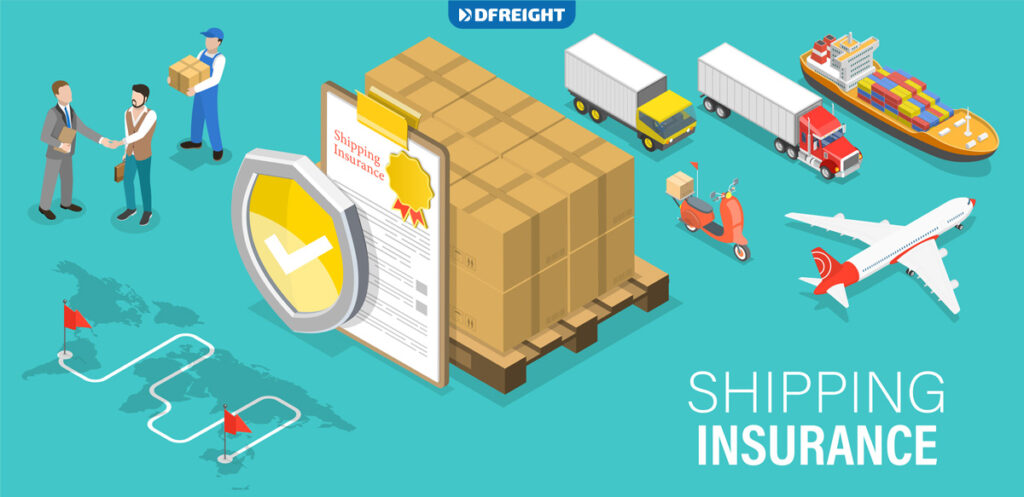
Duty handling includes everything involved in evaluating duties, submitting customs declarations, paying VAT, and satisfying EU compliance requirements. Because Belgium follows the EU TARIC system, importers must apply correct HS codes and document values accurately to avoid clearance issues.
Why importers face common duty handling challenges
- Misclassification of HS codes
- Incorrect or inconsistent values on documents
- Missing importer EORI registration
- Selecting the wrong Incoterms
- Differences between CIF, FOB, and DDP understanding
Accurate duty handling ensures smoother customs processing and helps avoid financial losses.
How Are Import Duties Calculated for China–Belgium Shipments?
Belgian customs calculate import duties using several data points. Additionally, every product category has its own duty rate, making it essential to understand the calculation formula before shipping.
Main components of duty calculation
- HS code (determines tariff rate)
- CIF value (cost + insurance + freight)
- Duty percentage
- Belgian VAT at 21%
- Excise taxes for controlled items
Duty Calculation Formula
Duty = CIF × Duty Rate
VAT = (CIF + Duty) × 21%
Understanding this structure allows importers to estimate landed costs accurately.
What Shipping Method Should You Choose for Faster Duty Handling?
Shipping mode affects delivery time, customs queueing speed, and duty processing. Moreover, each option has different impacts on cost and paperwork.
Shipping Method Overview
Table: Shipping Method Comparison
| Method | Transit Time | Cost Level | Duty Handling | Pros | Cons |
|---|---|---|---|---|---|
| Air Freight | 5–9 days | High | Duty paid on arrival | Fast & secure | Expensive |
| Sea Freight (FCL/LCL) | 25–38 days | Low | Duty at seaport | Economical | Slow |
| Rail Freight | 18–25 days | Medium | Duty at rail terminal | Reliable | Limited routes |
| Express Courier | 3–6 days | High | Duty prepaid optional | Fastest | Highest cost |
| DDP | Varies | Medium | Duty included | No paperwork | Higher service fee |
Choosing the right method improves customs efficiency and reduces delays.
What are you waiting for?
Contact chinatopfreight for a fast, free quote.
Are you ready to book?
Access live instant freight quotes
What Documents Are Required for Duty Handling China to Belgium?
Belgian customs require complete and accurate documentation to verify cargo details. Therefore, preparing documents carefully prevents unnecessary inspections.
Required Documentation
Table: Customs Documents Checklist
| Document | Required | Purpose |
|---|---|---|
| Commercial Invoice | Yes | Declares value & origin |
| Packing List | Yes | Details quantity & weight |
| Bill of Lading or Airway Bill | Yes | Proof of shipment |
| HS Codes | Yes | Determines duty rate |
| EORI Number | Yes | EU importer identification |
| Certificate of Origin | Optional | Tariff preference |
| CE Certificates | Regulated items | EU compliance verification |
Providing consistent data across all documents enhances customs efficiency.
Why Is HS Code Classification Crucial for China-to-Belgium Imports?
HS codes influence tariff rates, VAT calculations, and required documentation. Moreover, incorrect classifications often cause duty recalculations and expensive delays.
Frequent HS code errors to avoid
- Choosing generic codes instead of exact subcodes
- Misidentifying raw materials or product composition
- Assuming duty exemptions apply without certificates
- Using outdated tariff references
Correct HS coding ensures accurate taxes and smooth customs processing.
How Do Incoterms Affect Duty Handling for China–Belgium Shipments?
Incoterms define responsibility for duty, tax, and customs procedures. Additionally, choosing the wrong Incoterm may cause financial disputes or unexpected import costs.
Most common Incoterms used in China–Belgium logistics
- EXW: Importer pays everything including duties
- FOB: Seller handles origin; importer handles duties
- CIF: Seller arranges freight; importer handles duty
- DAP: Seller delivers; importer pays duties
- DDP: Seller pays all duties and VAT upfront
Importers seeking predictable costs typically choose DDP.
What Duty Rates Apply When Importing Goods from China to Belgium?
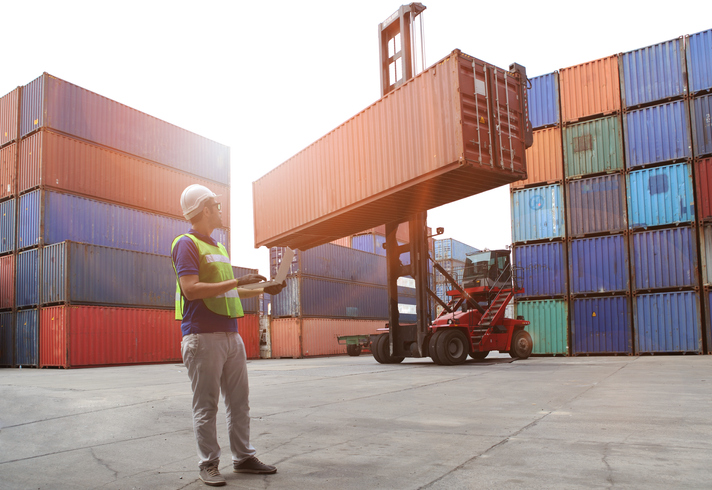
Duty rates vary by product category and material. Additionally, some categories benefit from reduced tariffs depending on trade rules.
Approximate duty rates for common goods
| Product Category | Duty Rate | Notes |
|---|---|---|
| Electronics | 0–5% | Many components duty-free |
| Apparel & Textiles | 6–12% | Higher due to sensitivity |
| Toys | 0–4.7% | CE required |
| Furniture | 2–6% | Depends on material |
| Machinery | 0–2% | Often low tariff |
Using proper HS codes ensures accurate duty evaluation.
How Can You Avoid Delays in Belgium Customs Clearance?
Customs delays often result from mismatched documents or incorrect values. Therefore, importers should verify all information before shipping.
Key strategies to prevent clearance delays
- Ensure invoices match packing lists
- Confirm HS codes with your forwarder
- Register EORI before importing
- Check CE requirements for regulated goods
- Choose DDP if unfamiliar with EU customs requirements
Being proactive significantly reduces customs risks.
Is DDP Shipping a Good Choice for Duty Handling China to Belgium?
DDP (Delivered Duty Paid) allows sellers or freight forwarders to prepay duties and VAT. Additionally, DDP simplifies the process for importers unfamiliar with EU customs.
Advantages of using DDP
- Duty and VAT included
- No customs paperwork for importer
- Predictable total cost
- Faster processing
- Ideal for e-commerce shipments
Although more expensive, DDP provides a smooth import experience.
How Much Does Duty Handling Cost for China-to-Belgium Shipments?
Costs vary depending on cargo type, value, and customs procedures. Moreover, inspections may add extra fees.
Typical duty-related charges
- Import duty (HS code-based)
- VAT: 21%
- Customs clearance fees: €40–€120
- Terminal handling charges: €25–€80
- Documentation fees: €10–€25
These components form the total landed cost.
Conclusion
Effective duty handling China to Belgium is essential for maintaining predictable supply chain performance, accurate landed costs, and smooth integration into EU markets. Although customs procedures can be complex, importers can succeed by understanding HS codes, VAT rules, shipping methods, Incoterms, and documentation requirements. Moreover, working with a professional freight forwarder greatly reduces errors and improves customs efficiency. For the most seamless experience, many businesses choose DDP or professional clearance services to ensure compliance and reliability.
FAQ
1. Do I need an EORI number before importing goods into Belgium?
Yes. Every importer must have a valid EORI number for EU customs. Without it, shipments cannot be processed, and customs will place cargo on hold.
2. Can DDP shipping eliminate my customs workload?
Yes. DDP shipping includes duties, VAT, and customs paperwork. The forwarder manages the entire process, allowing the importer to receive goods without clearance involvement.
3. Are duty rates high for electronics imported into Belgium?
Generally no. Many electronics have low or zero duty rates, although VAT still applies. Correct HS code classification ensures accurate duty and tax calculations.
4. How long does Belgium customs clearance usually take?
Most shipments clear within 1–3 days if documents are accurate. Delays occur if paperwork is incorrect, inspections are required, or peak-season congestion happens.
5. Do my goods need CE marking when importing from China?
Regulated goods like electronics, toys, and machinery require CE certification. Missing CE documentation may cause customs rejections or additional checks.