

- By kelly
- November 24, 2025
- Logistics Guide
40HQ FCL Booking Process for Medical Equipment from China to Europe
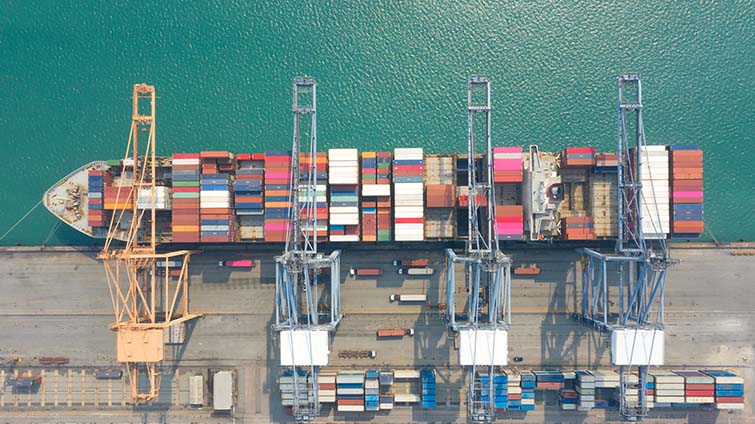
The 40HQ FCL booking process for medical equipment from China to Europe requires precision, compliance, and strict documentation because medical devices are sensitive cargo. Many shippers struggle with regulations, delivery schedules, and customs documentation; however, this guide explains every step clearly and provides practical solutions to help you ship safely and efficiently.
1. What Makes the 40HQ FCL Booking Process for Medical Equipment from China to Europe Unique?
Shipping medical equipment requires strict handling, controlled loading, and regulatory compliance. Moreover, medical shipments often involve high values and fragile components, so shippers must ensure secure packaging, verified documentation, and accurate transit time planning. Because a 40HQ container offers more volume, it is ideal for bulky medical devices such as hospital beds, imaging machines, and diagnostic systems.
Why 40HQ is Preferred for Medical Equipment
- More loading height for oversized machines
- Better cost-per-cubic-meter efficiency
- Suitable for large orders common in hospital procurement
2. How Should You Prepare Medical Equipment Before Booking a 40HQ FCL Shipment?
Preparation is essential. Additionally, medical devices require proper labeling, export compliance checks, and protective packaging. Manufacturers must verify HS codes, product certifications, battery declarations (if applicable), and machine calibration records.
Pre-Booking Preparation Checklist
- Confirm CE, ISO13485, or MDR compliance
- Arrange moisture-proof, shock-proof packaging
- Verify power specifications (EU 220-240V)
- Prepare export customs declarations
3. What Documents Are Required for 40HQ FCL Medical Equipment Export from China?
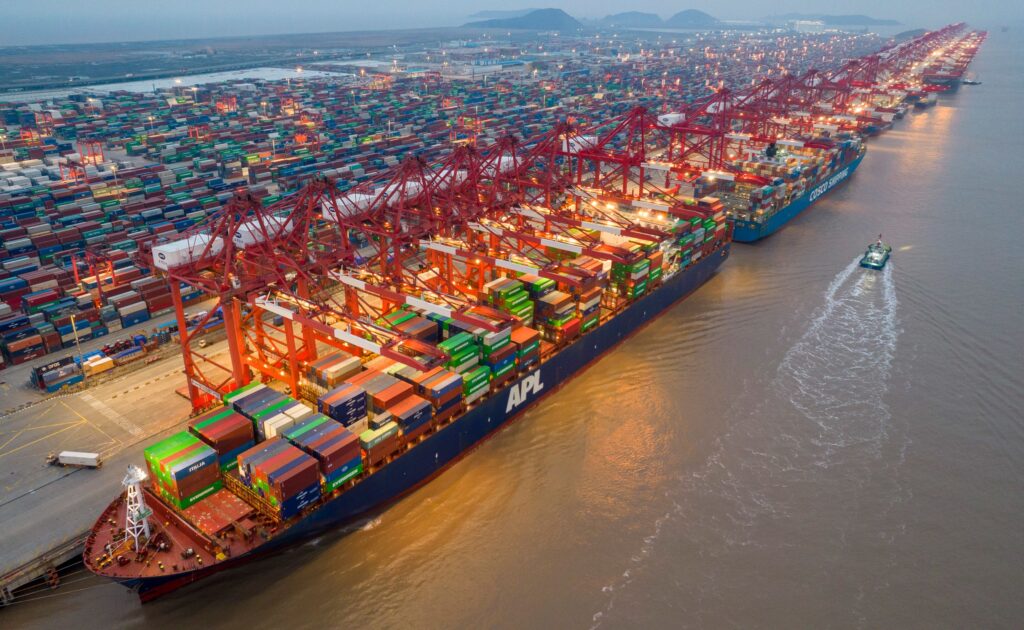
Accurate paperwork reduces delays. Therefore, you must prepare commercial documents, compliance certificates, and customs authorizations before booking. The following table outlines the primary required documents.
Table: Basic Export Documents Checklist
Documents Required for Medical Equipment Shipment
| Document Type | Description | Required? | Notes |
|---|---|---|---|
| Commercial Invoice | Product value & HS codes | Yes | Must match packing list |
| Packing List | Detailed package specs | Yes | Shows dimensions & weight |
| CE/MDR Certificate | Medical compliance | Yes | Mandatory for EU entry |
| Bill of Lading | Shipping proof | Yes | Provided by carrier |
| MSDS (if batteries) | Safety declaration | Conditional | Needed for powered equipment |
| Form A / RCEP | Preferential duty certificate | Optional | Reduces import duty |
4. How to Compare Shipping Options When Planning a 40HQ Booking for Medical Equipment?
Although FCL is the primary method, comparing sea freight, air freight, and rail freight helps optimize delivery schedules and budgets.
Table: Shipping Method Comparison
Shipping Method Comparison for Medical Equipment China → Europe
| Method | Cost | Transit Time | Best For | Pros | Cons |
|---|---|---|---|---|---|
| 40HQ FCL Sea | Low | 28–38 days | Large-volume equipment | Cost-effective, safe | Longer transit |
| Air Freight | High | 3–7 days | Urgent devices | Fast, secure | Expensive |
| Rail Freight | Medium | 15–20 days | Central Europe | Balanced cost/time | Limited routes |
5. How Does the 40HQ FCL Booking Process Work Step-by-Step?
Many shippers find this part confusing; however, the booking process becomes simple when broken down into phases. The steps below apply to all medical equipment shipments from major ports such as Shenzhen, Shanghai, Ningbo, Xiamen, and Qingdao.
Step-by-Step Booking Workflow
- Confirm cargo ready date with supplier
- Select a forwarder and shipping schedule
- Submit cargo details (weight, CBM, HS codes)
- Get freight rates and vessel options
- Reserve 40HQ container space
- Arrange container pickup or factory loading
- Provide export documents for customs
- Container gates in at port
- Vessel departs & tracking begins
6. What Are the Shipping Costs and Price Factors for 40HQ FCL Medical Equipment to Europe?
Costs vary widely. Moreover, medical equipment often requires reinforced packaging, fumigation, or loading labor, which affects total logistics expenses. Fuel prices, port surcharges, and peak season conditions also influence pricing.
Table: Estimated Container Pricing
Estimated 40HQ FCL Rates China → Europe
| Destination | Average 40HQ Rate | Transit Time | Notes |
|---|---|---|---|
| Germany | USD 2,200–3,000 | 30–38 days | Stable demand |
| Netherlands | USD 2,100–2,900 | 28–35 days | Preferred medical hub |
| France | USD 2,300–3,200 | 30–40 days | Additional customs checks |
| Italy | USD 2,600–3,400 | 33–42 days | Slightly slower routing |
| Spain | USD 2,400–3,300 | 30–38 days | Popular for hospital imports |
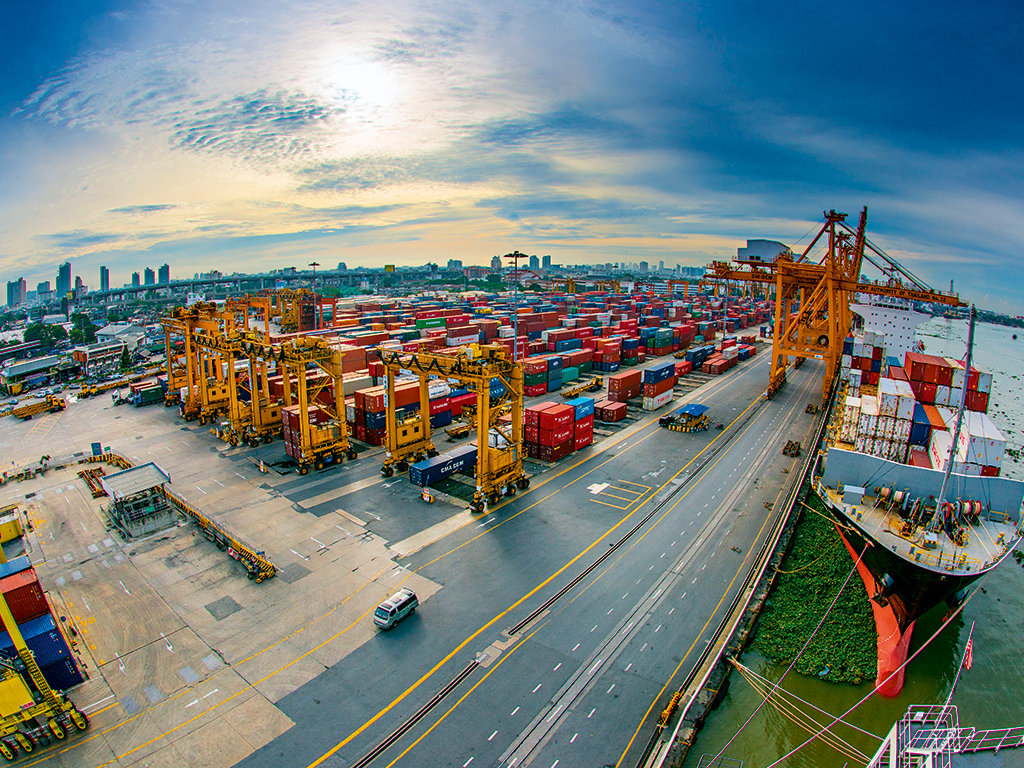
7. How to Ensure Compliance with EU Medical Device Regulations When Shipping from China?
European customs is strict with medical shipments; therefore, compliance is non-negotiable. Importers must comply with the EU MDR or IVDR, depending on device type. Additionally, labeling must include traceability, batch numbers, and authorized representative details.
EU Compliance Checklist
- CE Declaration of Conformity
- MDR/IVDR classification
- Authorized Representative (AR) certificate
- Serial number tracking
- User manuals in EU languages
8. What Transit Time Should You Expect for 40HQ FCL Medical Equipment China → Europe?
Transit time depends on port location, routing, and customs efficiency. Although schedules may vary, the following reference table helps you plan delivery schedules more accurately.
Table: Transit Time by Route
Transit Time Estimates
| Origin Port | Destination | Average Transit Time | Notes |
|---|---|---|---|
| Shanghai | Rotterdam | 28–32 days | Fastest route |
| Shenzhen | Hamburg | 32–38 days | Stable weekly vessels |
| Ningbo | Antwerp | 30–36 days | High reliability |
| Qingdao | Marseille | 33–40 days | Good for South Europe |
9. What Are the Risks and How to Reduce Delays When Booking a 40HQ FCL for Medical Equipment?
Delays often occur due to incomplete documents, port congestion, or inaccurate cargo details. However, most issues are avoidable with preparation and real-time communication.
Risk Prevention Tips
- Double-check HS codes before customs
- Confirm vessel schedule changes weekly
- Use GPS tracking & digital B/L for transparency
- Ensure packaging withstands long transit
10. Should You Choose a Freight Forwarder Specialized in Medical Equipment Logistics?
Yes — specialized forwarders reduce risk significantly because they understand compliance, packaging requirements, and transit sensitivities. Moreover, they can negotiate better 40HQ container rates and secure faster vessel schedules to Europe.
Benefits of a Specialized Forwarder
- Expertise in medical regulations
- Dedicated loading teams
- Better insurance planning
- Faster customs clearance support
📦Get a Free Quote
If you need professional support with the 40HQ FCL booking process for medical equipment from China to Europe, our logistics team is ready to help. We provide competitive rates, reliable schedules, and complete documentation support to ensure your cargo arrives safely and on time. Contact us to get a customized shipping plan today.
❓ Frequently Asked Questions
1. How long does the 40HQ FCL booking process normally take?
The process typically takes three to seven days, depending on vessel space, documentation readiness, and supplier arrangements for loading and customs paperwork.
2. What packaging is recommended for medical equipment shipped in a 40HQ container?
Use shock-proof, moisture-resistant, and reinforced crates. Sensitive machines require cushioning materials, anti-tilt labeling, and proper weight distribution during loading.
3. Do medical devices require special customs clearance in Europe?
Yes, customs verify CE certification, MDR compliance, and HS codes. Missing documents may cause inspections, delays, or extra verification procedures at entry ports.
4. How can I reduce delays for medical equipment FCL shipments?
Prepare documents early, confirm shipping schedules regularly, use electronic B/L, and ensure packaging matches customs and safety requirements for Europe.
5. What is the best port in Europe for medical equipment imports?
Rotterdam, Hamburg, and Antwerp are preferred because they offer medical-grade warehousing, efficient inspections, and faster distribution routes across Europe.
Conclusion
The 40HQ FCL booking process for medical equipment from China to Europe requires structured planning, accurate documentation, and compliance with EU standards. Although medical shipments are sensitive, choosing the right forwarder, preparing documents early, and using proper packaging ensures fast and safe delivery. For smoother logistics, always work with medical-equipment specialists who understand your needs and can optimize cost, compliance, and transit time.