

- By kelly
- November 25, 2025
- Logistics Guide
Flat Rack FCL Insurance for Textiles from China to France: A Complete Guide
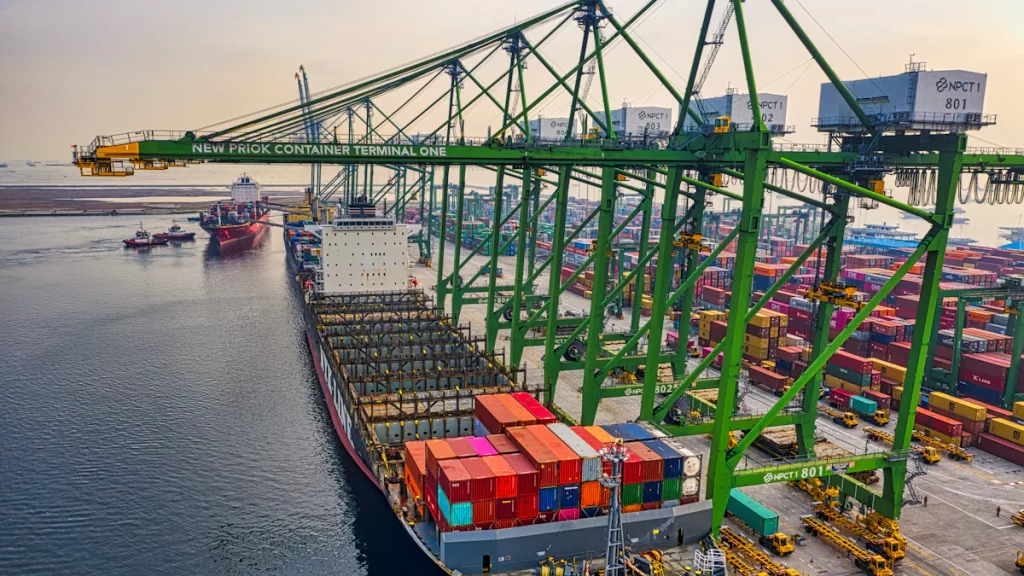
Shipping high-volume textile cargo from China to Europe requires more than choosing a freight forwarder—it demands risk mitigation. Choosing the right flat rack FCL insurance for textiles from China to France ensures your goods are protected throughout the journey. Flat rack containers are ideal for oversized, irregular, or heavy textile loads, but they also expose cargo to more handling and weather risks.
In this article, we’ll explain how insurance for flat rack shipments works, why it’s essential for the textile industry, and how to choose the right policy to protect your cargo.
1. What Is Flat Rack FCL Shipping and Why Use It for Textiles?
Flat rack containers are designed without side walls and with collapsible or fixed ends, allowing shippers to load wide, tall, or long cargo. For textile equipment, massive rolls, or palletized bundles, this type of shipping offers flexible loading and unloading.
Benefits of Flat Rack FCL for Textile Cargo:
- Ideal for oversized textile machines or bulky fabric rolls
- Easier loading by crane or forklift from the top or sides
- Exclusive FCL use reduces damage from cargo mixing
- Available in 20’ and 40’ lengths
2. Why Is Insurance Critical for Flat Rack Shipments to France?
Unlike standard dry containers, flat rack shipments are exposed to environmental risks such as rain, saltwater spray, and handling equipment. Therefore, obtaining flat rack FCL insurance becomes critical, especially for sensitive cargo like cotton, linen, polyester, and finished garments.
Common risks include:
- Water damage during ocean transit
- Mechanical impact while lifting or unloading
- Theft or pilferage during transshipment
- Fire, piracy, or collision at sea
Therefore, cargo insurance helps avoid costly disruptions in your supply chain and secures compensation in the event of damage.
3. What Types of Cargo Insurance Are Available for Textile Shipments?
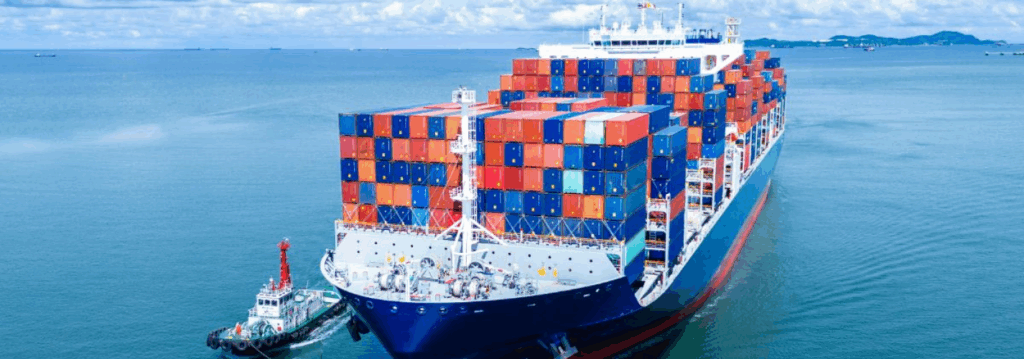
Types of Cargo Insurance Coverage
| Insurance Type | Coverage Scope | Recommended For |
|---|---|---|
| All-Risk Insurance | Full coverage against most risks | High-value textiles or machines |
| Named Perils Policy | Specific risks listed (e.g., fire, theft) | Low-value or less sensitive cargo |
| Total Loss Only | Coverage if entire shipment is lost | Budget-conscious shippers |
| Institute Cargo Clauses (A) | Broadest coverage including loading/unloading | Most international shipments |
4. How Much Does Flat Rack FCL Insurance Cost from China to France?
Insurance premiums are calculated based on the declared cargo value, route risk, packaging, and container type.
Sample Insurance Cost Table (for Textiles)
| Declared Value (USD) | Route | Insurance Type | Estimated Premium (USD) |
|---|---|---|---|
| $50,000 | China to Le Havre | All Risk (0.6%) | $300 |
| $100,000 | China to Marseille | Named Perils (0.4%) | $400 |
| $200,000 | China to Fos-sur-Mer | All Risk (0.55%) | $1,100 |
5. What Are the Steps to Arrange Flat Rack Insurance for Textile Cargo?
Securing flat rack FCL insurance is straightforward when working with a qualified freight forwarder or broker.
Step-by-Step Insurance Process
- Request a quote with cargo description, value, and route
- Submit a commercial invoice and packing list
- Agree on insurance type and coverage terms
- Pay the premium and receive the Certificate of Insurance
- Attach the certificate to your shipping documents for customs and claims processing
Ensure full transparency in cargo value declaration to avoid claim disputes.
6. How Long Does It Take to Ship Flat Rack Textiles from China to France?
Transit time depends on origin port, destination, and carrier routing.
Transit Time Table
| China Port | French Port | Transit Time | Route Notes |
|---|---|---|---|
| Shanghai | Marseille | 30–36 days | Direct sailings available |
| Ningbo | Le Havre | 32–38 days | May involve transshipment in Spain |
| Qingdao | Fos-sur-Mer | 35–40 days | Slightly longer via Suez Canal |
Always factor in 3–5 days for customs clearance and inland transport in France.

7. What Documents Are Required for Textile Shipments with Insurance?
Essential Customs and Insurance Documents
| Document | Purpose | Issued By |
|---|---|---|
| Commercial Invoice | Declares cargo value and trade terms | Exporter |
| Packing List | Lists contents and packaging specifications | Exporter |
| Bill of Lading (B/L) | Shipping contract and transport record | Carrier |
| Certificate of Origin | Confirms production origin for import duties | Chamber of Commerce |
| Insurance Certificate | Proof of insured cargo and coverage type | Insurer |
| CE Certificate (if needed) | For compliance with EU safety standards | Manufacturer |
8. What Are the Pros and Cons of Flat Rack vs Other Shipping Methods for Textiles?
Shipping Method Comparison
| Mode | Pros | Cons |
|---|---|---|
| Flat Rack | Ideal for oversized textile loads or machines | Exposed cargo needs weatherproofing |
| Standard FCL | Full protection from moisture and theft | Limited space for wide or high goods |
| LCL | Flexible for small shipments | More handling increases damage risk |
| Air Freight | Fastest for urgent or high-value items | Very expensive for large textile volumes |
| Rail Freight | Reliable for inland EU delivery | Slower than air, less space than FCL |
9. Can You Combine Insurance with Door-to-Door Shipping?
Yes. Many logistics providers offer end-to-end insurance, covering:
- Pickup from textile factory or warehouse in China
- Container stuffing, documentation, and export clearance
- Ocean freight + insurance
- Port clearance and delivery to warehouses in Paris, Lyon, or Marseille
This integrated approach ensures full supply chain visibility and protection.
10. How to Reduce Risk and Save Costs on Flat Rack Textile Shipments?
To optimize both cost and safety:
- Package textiles with water-resistant covers or shrink wrap
- Use wooden framing or steel strapping for machinery
- Negotiate blanket cargo policies for regular monthly shipments
- Compare insurance quotes from multiple providers
- Document cargo with photos during loading and sealing
Such measures help prevent disputes and streamline claim settlements if needed.
📦Get a Free Quote
Whether you’re shipping cotton bales, spinning machines, or finished garments, securing flat rack FCL insurance for textiles from China to France ensures peace of mind. Our experts help assess risk, arrange custom policies, and deliver coverage that fits your cargo profile and shipping route.
❓ Frequently Asked Questions
1. What is the typical insurance cost for textile shipments in a 40’ flat rack?
It ranges between 0.4%–0.6% of declared value based on coverage type.
2. Is weather damage covered under standard flat rack insurance?
Only under “All Risk” coverage. Verify exclusions in the policy terms.
3. Do I need insurance if my freight forwarder covers logistics?
Yes, logistics services do not cover cargo loss unless you buy separate insurance.
4. What documents are needed to file an insurance claim?
Bill of Lading, Invoice, Packing List, Insurance Certificate, and damage evidence.
5. Can I ship textile machines and fabrics together in one flat rack?
Yes, but packaging must protect both categories from vibration and weather.
Conclusion
Shipping textiles overseas presents unique challenges—especially when using open or oversized containers. That’s why securing flat rack FCL insurance for textiles from China to France is a smart move. It protects your goods against loss, damage, and unexpected incidents, giving you full control over supply chain risk.
By selecting the right policy, preparing your cargo with care, and partnering with experienced freight specialists, you can ensure safe and timely delivery of your textile products to French buyers and manufacturers.