

- By carlie tj
- November 25, 2025
- Logistics Guide
Understanding the shipping cost for FCL shipping from China to Norway is crucial for importers managing international logistics. The route between China’s manufacturing hubs and Norway’s key ports demands careful cost planning, container selection, and customs preparation. For transparent pricing, efficient delivery, and full-service freight solutions, visit ChinaTopFreight—your professional logistics partner for reliable sea freight from China to Northern Europe.
1. What Is FCL Shipping and Why It’s Ideal for Norway Imports?
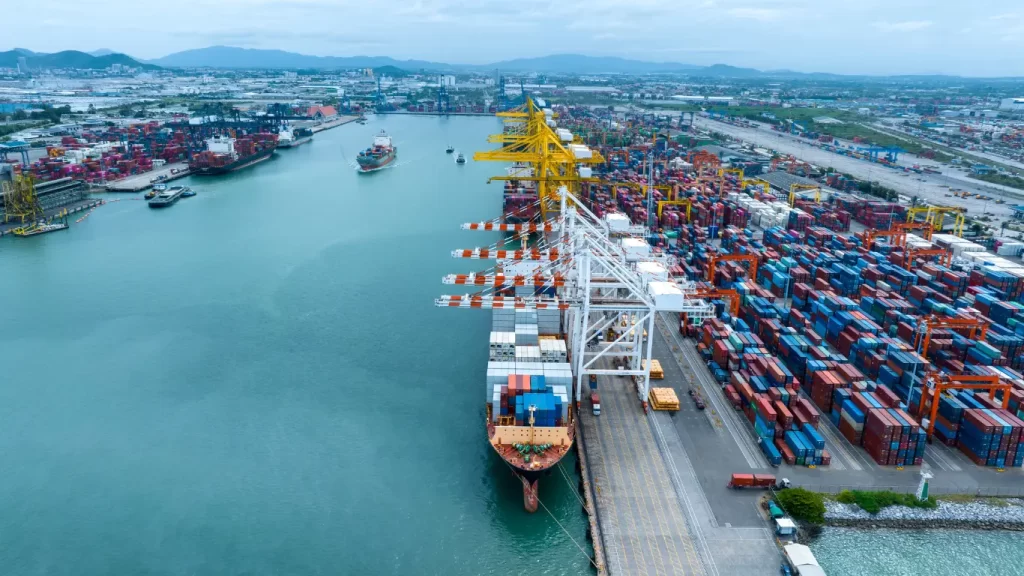
FCL (Full Container Load) shipping refers to booking an entire container for your cargo. It ensures safety, lower per-unit costs, and faster handling—especially beneficial for large shipments from China to Norway.
Why Norwegian importers prefer FCL:
- Exclusive container use prevents cargo mix-ups.
- Reduced handling minimizes damage risks.
- Cost-effective for bulk shipments.
- Faster customs clearance due to simplified documentation.
With direct sea routes connecting China and Norway, FCL is the most economical and secure option for consistent imports such as machinery, electronics, auto parts, and furniture.
2. How Much Is the Shipping Cost for FCL Shipping from China to Norway?
Shipping costs vary depending on port selection, container size, cargo type, and season. On average, FCL shipping from China to Norway costs between $2,800 and $4,500 per 40HQ container.
Table: Estimated FCL Shipping Costs (2025)
| Route | Container Type | Estimated Cost (USD) | Transit Time | Suitable Goods |
|---|---|---|---|---|
| Shanghai → Oslo | 20FT FCL | $2,200 – $2,800 | 30–35 days | General cargo |
| Ningbo → Bergen | 40FT FCL | $3,400 – $4,000 | 32–38 days | Industrial goods |
| Shenzhen → Oslo | 40HQ FCL | $3,700 – $4,500 | 33–40 days | Electronics & furniture |
| Qingdao → Stavanger | 20FT FCL | $2,400 – $3,000 | 34–42 days | Machinery & tools |
Pro Tip: Book at least 3–4 weeks in advance to secure competitive rates, especially during Europe’s Q2–Q4 peak import seasons.
3. What Factors Affect the FCL Shipping Cost from China to Norway?
The total cost depends on several interconnected logistics factors.
- 1. Container size and type – 20FT, 40FT, and 40HQ differ in cost and volume.
2. Port of origin and destination – Shanghai–Oslo is cheaper than Shenzhen–Stavanger due to sailing frequency.
3. Cargo nature – Dangerous goods or temperature-controlled cargo incur surcharges.
4. Seasonal fluctuations – Higher demand increases freight rates during peak shipping months (August–December).
5. Exchange rate and fuel adjustments – BAF (Bunker Adjustment Factor) can impact final costs.
Understanding these helps importers anticipate fluctuations and negotiate better rates.
4. How Does FCL Compare to Other Shipping Methods?
Table: Comparison of Shipping Methods (China → Norway)
| Shipping Method | Cost | Transit Time | Best For | Pros | Cons |
|---|---|---|---|---|---|
| FCL (Sea) | Low | 30–45 days | Large loads | Economical, secure | Slower |
| LCL (Sea) | Medium | 35–50 days | Small cargo | Shared cost | More handling |
| Air Freight | High | 5–8 days | Urgent goods | Fastest | Expensive |
| Rail Freight | Medium | 20–25 days | Mid-volume | Balanced speed | Limited routes |
For long-term business shipping, FCL remains the most cost-effective and stable choice for Norwegian importers.
5. What Is the Transit Time for FCL Shipping from China to Norway?
The average FCL transit time from China to Norway ranges between 30 and 45 days, depending on port distance and carrier schedule.
Detailed Timeline:
- Booking & documentation: 3–5 days
- Container loading: 2–3 days
- Sea transit: 28–38 days
- Customs clearance: 2–5 days
Weather, port congestion, and customs inspections may extend delivery time slightly, but using professional forwarders helps minimize delays.
6. What Documents Are Required for FCL Shipping to Norway?
Accurate documentation ensures quick customs clearance.
Essential shipping documents:
- Bill of Lading (B/L)
- Commercial Invoice
- Packing List
- Certificate of Origin
- Insurance Certificate
- Import Declaration (Toll Customs)
- Product Compliance Certificate (if applicable)
Failure to provide proper documentation can lead to detention or inspection delays. Partnering with experienced logistics agents helps avoid these issues.
7. How Do Customs Duties and Taxes Impact Shipping Costs?
Importers into Norway (a non-EU country) must follow Norwegian Customs (Tolletaten) regulations.
Key points:
- Most goods are subject to 25% VAT upon import.
- Customs duties depend on HS codes and product category.
- Preferential tariffs may apply under China–EFTA agreements.
- Customs brokers assist in duty calculation and filing declarations.
Accurate tariff classification and pre-clearance planning ensure cost predictability.
8. What Are the Container Options for FCL Shipping to Norway?
Table: Container Options and Uses
| Container Type | Capacity (CBM) | Ideal Cargo | Cost Range (USD) |
|---|---|---|---|
| 20FT | 28–30 CBM | Tools, textiles, auto parts | $2,200 – $3,000 |
| 40FT | 58–60 CBM | Furniture, electronics | $3,300 – $4,000 |
| 40HQ | 68–70 CBM | Large equipment, bulk goods | $3,800 – $4,500 |
| Reefer | 55–65 CBM | Perishables, chemicals | $4,500 – $6,000 |
Choosing the right container optimizes both cost and protection during transit.
9. How to Reduce FCL Shipping Costs from China to Norway?
Cost-saving strategies:
- Consolidate shipments into one container instead of multiple partial loads.
- Book off-season (January–March or May–June) to enjoy low rates.
- Use long-term contracts for stable pricing.
- Optimize packaging to fully utilize container space.
- Work with forwarders like ChinaTopFreight for route optimization.
Proactive logistics management helps businesses reduce total freight expenditure by 10–20%.
Request a Quote
China Top Freight offers:
- ✅ Origin and Destination Countries
- ✅ Cargo Type and Volume
- ✅ Preferred Transport Method (Air, Sea, Rail, Road)
- ✅ Delivery Timeline
- ✅ Special Handling Requirements (if any)
FAQ
1. What is the average FCL shipping cost from China to Norway?
It ranges from $2,800 to $4,500 per 40HQ container, depending on the port and cargo type.
2. How long does FCL shipping take from China to Norway?
The transit time is around 30–45 days, varying by carrier schedule and customs clearance speed.
3. What affects FCL shipping rates the most?
Fuel prices, seasonal demand, container size, and origin-destination pair influence the final cost.
4. Which is better for large cargo: FCL or LCL?
FCL is more cost-efficient and safer for large, uniform shipments compared to shared LCL containers.
5. Do I need an import license for Norway shipments?
Most commercial imports require registration with the Norwegian Customs Authority and proper documentation.
Conclusion
In conclusion, the shipping cost for FCL shipping from China to Norway typically depends on container type, cargo volume, and port selection. By working with a professional logistics partner like ChinaTopFreight, importers gain transparent pricing, real-time tracking, and seamless customs coordination.
To optimize your freight expenses and avoid costly delays, contact ChinaTopFreight for a personalized FCL shipping quote and start your next China–Norway import journey confidently.