

- By ayla tj
- November 25, 2025
- Logistics Guide
Managing detention prevention for FCL shipping from China to Czech Republic is essential for importers who want to avoid costly delays and unnecessary container charges. Since FCL shipments involve strict timing at both origin and destination, any failure to return containers on schedule can lead to detention penalties. Moreover, with increasing pressure on Europe’s inland terminals and fluctuating logistics trends, understanding how to prevent detention fees is more important than ever.
What Does Detention Mean in FCL Shipping and Why Does It Matter?
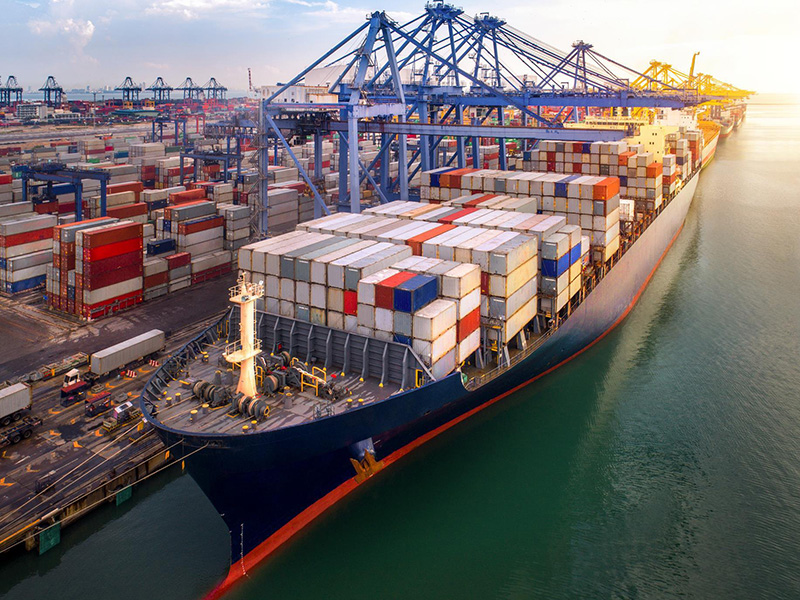
Detention refers to charges applied when the consignee keeps the container outside the terminal beyond the free time allowed. These charges accumulate daily and can significantly increase overall shipping costs.
Why Detention Matters
- Impacts total logistics budget
- Slows down supply chain operations
- Affects relationships with carriers
- Causes project delays if cargo is critical
Why Is Detention a Common Issue for China–Czech Republic Shipments?
Czech Republic is an inland country, meaning FCL cargo travels through European ports—such as Hamburg, Koper, Gdańsk, or Rotterdam—before moving inland by rail or truck. Because inland transport depends on multiple factors, detention is more likely.
Common Challenges Leading to Detention
- Delays at European transshipment ports
- Limited inland trucking capacity
- Terminal congestion in Germany or Poland
- Lack of pre-clearance for customs
- Incorrect documentation for import inspections
How Does the China–Czech Republic FCL Route Influence Detention Risk?
Cargo typically travels by sea to major European gateways and then by rail or truck to Czech Republic. Therefore, disruptions at any stage impact container return timing.
Major Route Options
- China → Hamburg → Czech Republic (rail/truck)
- China → Koper → Czech Republic (rail)
- China → Rotterdam → Czech Republic (rail/truck)
- China → Gdańsk → Czech Republic (rail)
Transit Time Comparison Table
| Route | Transit Time | Pros | Cons |
|---|---|---|---|
| China → Hamburg | 32–40 days | Strong rail links | Port congestion |
| China → Koper | 28–35 days | Fastest inland | Limited sailings |
| China → Rotterdam | 32–42 days | Frequent schedules | Longer inland haul |
| China → Gdańsk | 30–40 days | Competitive rates | Seasonal delays |
What are you waiting for?
Contact chinatopfreight for a fast, free quote.
Are you ready to book?
Access live instant freight quotes
What Are the Main Causes of Detention for FCL Imports to Czech Republic?
Multiple logistics hurdles can contribute to detention. Understanding these factors allows importers to plan ahead and reduce exposure.
Key Causes
- Late customs clearance
- Incorrect HS codes or missing certifications
- Inland rail delays
- Lack of empty container return slots
- Poor communication between importer and forwarder
How Can Proper Documentation Help Prevent Detention?
Accurate documentation allows customs and inspection authorities to clear cargo more quickly. Furthermore, missing or incorrect documents can lead to multi-day delays.
Required Documents for Czech Imports
- Commercial invoice
- Packing list
- Bill of Lading
- Certificate of Origin
- HS code declaration
- Product-specific certifications (CE, test reports)
Customs Documentation Checklist
| Document | Purpose | Importance |
|---|---|---|
| Invoice | Value declaration | High |
| Packing List | Weight & dimensions | High |
| B/L | Carrier transport proof | Required |
| COO | Tariff preferences | Case-by-case |
| CE Certificate | Product compliance | High |
| HS Code Sheet | Risk screening | High |
How Can You Minimize Detention Risk Before Cargo Arrives in Europe?
Detention prevention begins before the ship departs from China. By preparing all required steps early, importers ensure faster handling at the destination.
Pre-Arrival Strategies
- File customs documents before vessel arrival
- Confirm inland transport availability
- Arrange unloading manpower ahead of time
- Ensure warehouse has capacity for receiving cargo
- Double-check delivery address accuracy
Should You Choose Faster Inland Transport to Reduce Detention Risk?

Yes—faster inland transport reduces container turnaround time. Since Czech Republic relies heavily on European gateway ports, choosing the right inland mode is essential.
Inland Transport Comparison
| Method | Transit Time to Czech Republic | Pros | Cons |
|---|---|---|---|
| Rail | 1–3 days | Fast, reliable | Higher cost |
| Truck | 2–4 days | Flexible routing | Weather delays |
| Barge (from Rotterdam) | 5–7 days | Low cost | Slowest |
How Do Shipping Companies Calculate Detention Fees?
Detention fees depend on carrier policy, container type, and the number of days beyond free time. Moreover, higher charges apply for long-term delays.
Fee Structure Example
- Free time: 5–7 days
- Days 1–5: $80–120/day
- Days 6–10: $120–180/day
- Days 11+: $180–250/day
What Steps Should Importers Take After Container Arrival?
Post-arrival planning is essential to avoid detention. Delays during unloading or scheduling can quickly lead to additional charges.
Post-Arrival Best Practices
- Arrange trucking or rail immediately
- Unload the container within 24–48 hours
- Ensure warehouse teams are available
- Return the empty container to the assigned depot promptly
What Are the Best Strategies for Detention Prevention in FCL Shipping?
Detention prevention requires coordination across documents, transportation, and warehouse operations.
Proven Strategies
- Maintain accurate customs declarations
- Use forwarders with strong Europe inland networks
- Request extended free time in advance
- Track container movement daily
- Avoid peak cargo seasons when possible
Conclusion
Effective detention prevention for FCL shipping from China to Czech Republic requires a combination of proper documentation, early planning, reliable inland transport, and strong communication across the logistics chain. By optimizing customs processes, coordinating unloading schedules, and monitoring container movements closely, importers can minimize delays and avoid costly detention fees. For smoother operations and better predictability, partnering with an experienced freight forwarder ensures every stage—from departure in China to final delivery in Czech Republic—is handled professionally.
FAQ
1. How much detention free time do carriers usually offer?
Most carriers provide five to seven days of free time, though additional time can be negotiated depending on contract terms and shipment volume.
2. What happens if my cargo arrives before customs documents are ready?
Your container may be placed on hold, leading to potential detention charges until clearance is completed and inland transport is arranged.
3. Which European ports are most suitable for Czech-bound FCL cargo?
Hamburg, Koper, Rotterdam, and Gdańsk are the most efficient gateways, offering strong rail and trucking connections to Czech Republic.
4. Can I request extended free time from the carrier?
Yes, forwarders can negotiate extra free time, especially for shippers handling large volumes or consistent long-term shipments.
5. How can I reduce delays during container unloading?
Prepare warehouse teams in advance, schedule unloading equipment, and ensure return depot instructions are clear before the truck arrives.