

- By kelly
- November 26, 2025
- Logistics Guide
Detention Prevention for FCL Shipping from China to Houston
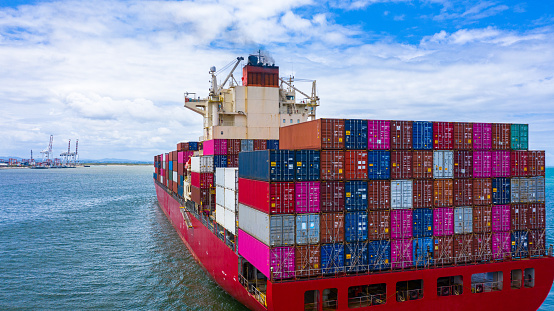
Delays in returning containers after unloading can lead to hefty fees. If you’re importing goods in full containers, mastering detention prevention for FCL shipping from China to Houston is essential to protect your budget and delivery schedule. Whether you’re handling auto parts, electronics, or heavy equipment, preventing detention is critical for operational efficiency and cost control.
1. What Is Detention in FCL Shipping and Why Should You Care?
In international shipping, detention refers to fees charged when you hold a carrier’s container beyond the agreed number of free days after pickup from the terminal.
Key Differences:
- Detention: Time the container is outside the port, in your possession
- Demurrage: Time the container stays inside the port, waiting to be picked up
Carriers usually offer 5–7 free days. Any delay in unloading and returning the container can cost $100–$300 per day, making detention a significant avoidable expense.
2. How Much Can Detention Cost on an FCL Shipment to Houston?
Here’s a breakdown of typical charges when returning containers late in Houston:
FCL Container Detention Charges
| Container Type | Free Days | Detention Fee (Daily) | Total If 5 Days Late |
|---|---|---|---|
| 20GP | 5–7 days | $100–$150 | $500–$750 |
| 40GP/40HQ | 5–7 days | $150–$300 | $750–$1,500 |
| Reefer | 3–5 days | $250–$400 | $1,250–$2,000 |
These costs can quickly inflate your total landed cost, especially for high-volume shippers.
3. Why Are FCL Containers Delayed in the U.S.?
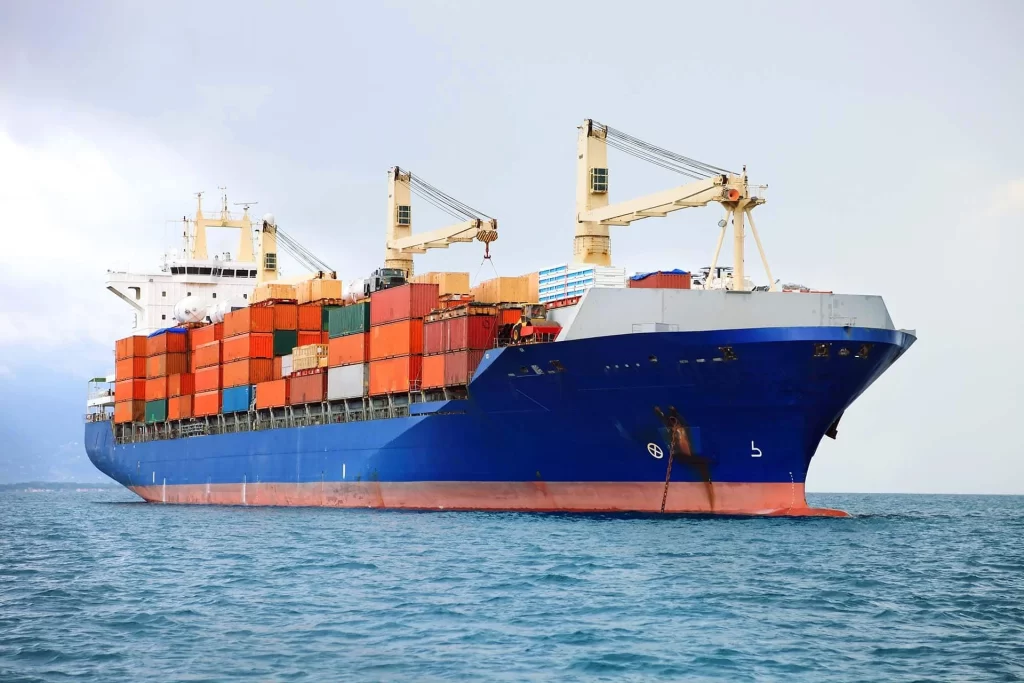
Several common causes can result in detention fees:
- Warehouse receiving delays
- Labor shortages during unloading
- Customs holds or inspections
- Chassis shortages for return transport
- Poor coordination with drayage providers
Therefore, planning ahead with clear unloading schedules and responsive carriers is crucial.
4. What Strategies Help Prevent Container Detention in Houston?
To avoid unnecessary detention fees, implement the following logistics best practices:
Detention Prevention Strategies
| Strategy | Benefit |
|---|---|
| Pre-book unloading windows | Minimize warehouse queue time |
| Use a trusted drayage partner | Ensures fast pickup and drop-off |
| Monitor container return deadlines | Prevents unexpected fees |
| Work with customs brokers | Reduces inspection and release delays |
| Opt for weekend return options | Increases flexibility in high-volume periods |
Moreover, proactive tracking and contingency planning are invaluable.
5. What Is the Typical Timeline for FCL Shipping from China to Houston?
Understanding your shipment’s schedule helps you prepare for unloading in time.
China to Houston FCL Transit Timeline
| Stage | Duration |
|---|---|
| Factory to Chinese Port | 2–4 days |
| Export Customs Clearance | 1–2 days |
| Ocean Transit (Shanghai–Houston) | 25–32 days |
| U.S. Customs + Port Release | 2–4 days |
| Inland Trucking (Port to Consignee) | 1–2 days |
| Total Door-to-Door | 31–44 days |
With a clear timeline, you can align your receiving team to minimize container retention.
6. Is FCL or LCL Better for Detention Prevention?
Choosing the right shipment type affects your ability to manage container timing.
Shipping Method Comparison
| Mode | Cost | Unloading Time | Detention Risk | Best For |
|---|---|---|---|---|
| FCL (20GP) | $$ | Fast (single consignee) | Medium | Full loads of cargo |
| LCL | $–$$$ | Slower (shared cargo) | Low | Small volume, flexible time |
| Air Freight | $$$$$ | Fastest | None | Urgent or high-value cargo |
If you have a full container’s worth of hardware, FCL remains most efficient—if you manage detention risks carefully.

7. What Are the Key Documents to Prepare for FCL Shipments?
Correct paperwork ensures smooth customs and fast release, preventing unnecessary hold-ups.
Customs Documents Checklist
| Document | Purpose |
|---|---|
| Commercial Invoice | Declares value, HS code, origin |
| Packing List | Item count, dimensions, weights |
| Bill of Lading | Contract with carrier |
| ISF Filing | U.S. pre-arrival requirement (10+2 rule) |
| Arrival Notice | Required to schedule pickup |
| Importer of Record | Must be U.S. registered entity |
Submit these early to your customs broker and consignee team to accelerate container release.
8. Can You Use Technology to Prevent Container Detention?
Absolutely. Smart logistics platforms offer tracking and alerts that support efficient FCL shipping.
Tech Tools That Help:
- GPS-based container tracking
- ETA and free-time countdown dashboards
- Automated notifications for return deadlines
- E-signature PODs (Proof of Delivery)
- Integration with drayage management systems
These tools minimize manual errors and keep all parties aligned.
9. How Does the U.S. Port of Houston Handle FCL Deliveries?
Houston is one of the busiest Gulf Coast ports, and it offers efficient inland links to major states.
Why Choose Houston:
- Strategic proximity to Texas, Louisiana, and Oklahoma markets
- Container freight stations (CFS) and bonded warehouse access
- Multiple trucking and rail options for inland distribution
- Experienced with energy, machinery, and industrial tools imports
However, due to congestion during peak periods, working with a local agent is strongly recommended.
10. Should You Work with a Freight Forwarder for Detention Prevention?
Yes. An experienced forwarder like ChinaTopFreight coordinates:
- Pickup scheduling
- Warehouse appointments
- Return dispatch before cutoffs
- Drayage optimization
- Contingency planning (e.g., night/weekend delivery)
They handle the heavy lifting, giving you peace of mind and avoiding costly mistakes.
📦Get a Free Quote
Need to protect your shipment from hidden fees? Our expert team at ChinaTopFreight provides tailored support for detention prevention for FCL shipping from China to Houston, ensuring fast, compliant, and cost-effective delivery. Contact us today to simplify your next container movement.
❓ Frequently Asked Questions
1. How many free days do I get before detention charges apply?
Typically 5–7 days after port pickup. Check your carrier’s specific free time terms.
2. What’s the difference between detention and demurrage?
Detention occurs outside the port, demurrage happens inside the port. Both involve fees for late returns.
3. Can I request additional free days in advance?
Yes, some carriers allow negotiation for extended free time at the booking stage.
4. What happens if I don’t return the container on time?
You’ll incur daily charges until it’s returned. The carrier may also block future bookings.
5. How can a freight forwarder help prevent detention?
They coordinate warehouse slots, truck dispatch, and track free time limits to avoid overruns.
Conclusion
Managing detention risk is a critical part of modern import logistics. With container shortages and rising operational costs, optimizing detention prevention for FCL shipping from China to Houston is not optional—it’s a business imperative. By aligning your documentation, scheduling, technology, and logistics partners, you can ensure on-time returns, avoid penalties, and deliver efficiency across your entire supply chain. Partner with ChinaTopFreight to take full control of your FCL shipping experience.