

- By carlie tj
- November 27, 2025
- Logistics Guide
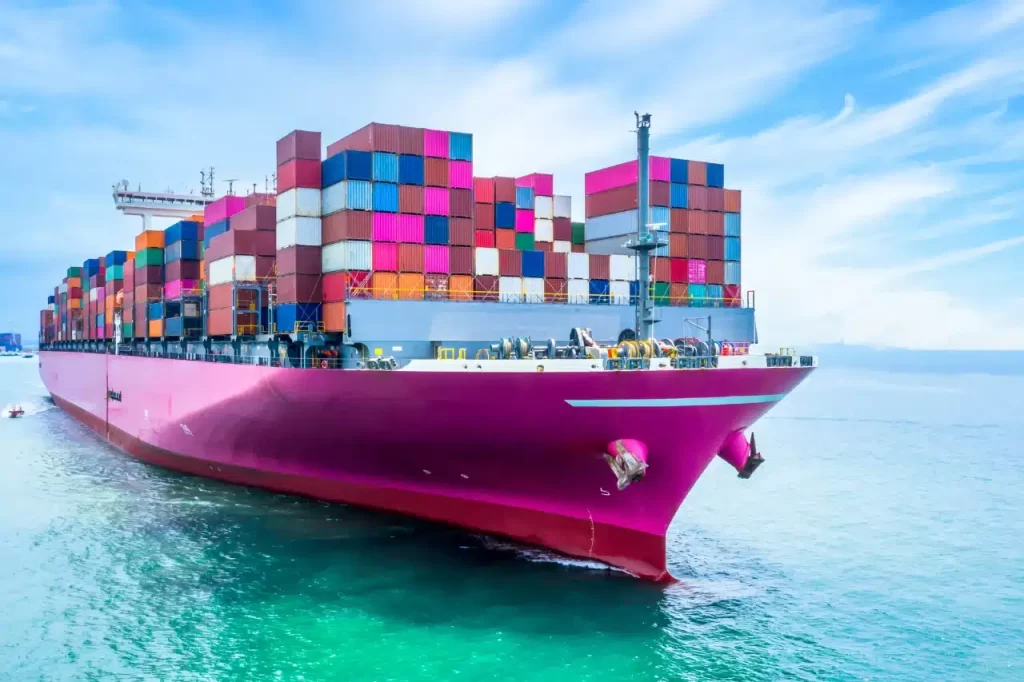
When shipping high-value industrial equipment, protecting your investment is essential. At ChinaTopFreight, we provide comprehensive logistics and 20GP FCL insurance for machinery from China to Europe to ensure that your cargo remains protected throughout its journey. With fluctuating transit times, unpredictable weather, and port delays, having proper insurance gives you financial security and peace of mind.
1. What Is 20GP FCL Shipping and Why Is It Ideal for Machinery Transport?
A 20GP (General Purpose) container is a standard 20-foot unit suitable for compact yet heavy machinery, tools, or manufacturing components. FCL (Full Container Load) means the container is exclusively used for your goods, ensuring safety, security, and reduced handling risks.
| Container Type | Internal Volume (CBM) | Ideal Cargo | Remarks |
|---|---|---|---|
| 20GP | 28 | Heavy machinery, auto parts | Cost-effective and strong |
| 40GP | 57 | Larger equipment | Suitable for light, bulky goods |
| 40HQ | 68 | High-volume cargo | Extra height for oversized cargo |
Moreover, FCL shipping minimizes contamination or breakage caused by mixed cargo and provides faster loading and unloading compared to LCL (Less than Container Load).
2. Why Is Insurance Important for Machinery Shipping from China to Europe?
Machinery shipments face multiple risks throughout their logistics journey — rough seas, handling damage, or unexpected accidents. Insurance protects against:
- Physical damage during loading/unloading
- Theft, pilferage, or loss at sea
- Accidents like fire, collision, or water ingress
- Damage caused by improper handling or weather exposure
Therefore, comprehensive 20GP FCL insurance ensures financial recovery in the event of unforeseen losses and keeps your business operations uninterrupted.
3. How Much Does 20GP FCL Insurance for Machinery Cost?
Insurance premiums depend on several variables such as cargo value, route risk, and coverage type. The average range is between 0.3%–0.6% of the declared cargo value.
| Insurance Type | Coverage Scope | Average Cost (% of Cargo Value) | Recommended For |
|---|---|---|---|
| All-Risk Insurance | Covers loss, damage, theft | 0.4–0.6% | High-value machinery |
| Total Loss Only | Covers complete loss | 0.2–0.3% | Low-margin shipments |
| Custom Coverage | Includes strikes, war, delay | Variable | Specialized logistics |
Additionally, premium costs may rise slightly for oversized cargo, complex packaging, or routes passing through high-risk zones like the Suez Canal.
4. What Are the Major Routes for Machinery Shipments from China to Europe?
Most China–Europe FCL shipping routes operate through major export ports including Shanghai, Ningbo, Shenzhen, and Qingdao, connecting to key European gateways such as Rotterdam, Hamburg, and Antwerp.
| Origin Port (China) | Destination Port (Europe) | Transit Time (Days) | Common Carrier |
|---|---|---|---|
| Shanghai | Rotterdam, NL | 30–35 | COSCO, Maersk |
| Ningbo | Hamburg, DE | 32–36 | MSC, CMA CGM |
| Shenzhen (Yantian) | Antwerp, BE | 33–38 | Evergreen, ONE |
Therefore, depending on the route and carrier, average total transit time (door-to-door) can range between 35–45 days.
5. What Documents Are Required for Insuring and Shipping Machinery?
Proper documentation is vital for both insurance validation and customs clearance during international freight.
| Document | Purpose |
|---|---|
| Commercial Invoice | Declares cargo value for customs and insurance |
| Packing List | Lists individual machinery parts and dimensions |
| Bill of Lading | Confirms ownership and shipping details |
| Certificate of Origin | Confirms product manufacturing location |
| Insurance Certificate | Proof of insurance coverage |
| HS Code Declaration | Classifies product type for customs duty |
Moreover, for heavy machinery, shippers must ensure accurate weight and volume details to comply with container load limits.
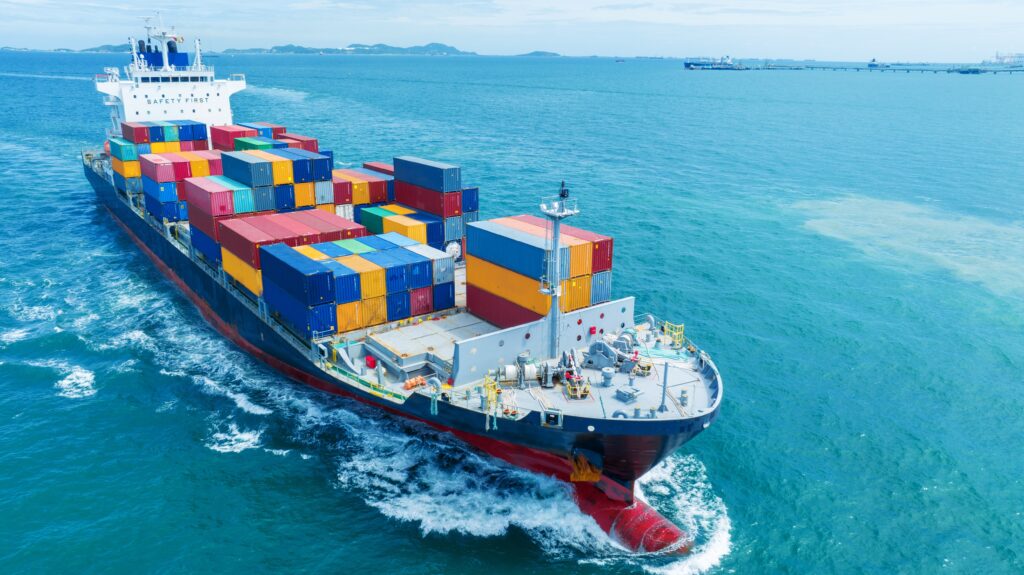
6. How Does FCL Insurance Work During a Claim Process?
If cargo is damaged or lost, the insured party must follow a structured claim process:
- Notify the insurer immediately after discovering damage.
- Provide survey reports issued by independent assessors.
- Submit claim documents including photos, invoices, and proof of loss.
- Await compensation assessment from the insurance company.
Typically, claims are processed within 15–30 business days, depending on the case complexity and documentation accuracy.
7. What Are the Common Risks Faced When Shipping Machinery to Europe?
Shipping heavy machinery involves several operational and environmental challenges:
- Rough sea conditions causing vibration or tilt damage.
- Container shifting due to improper bracing or overloading.
- Condensation leading to rust or electrical failure.
- Port congestion delaying unloading or causing demurrage fees.
- Handling errors during loading with cranes or forklifts.
However, choosing professional freight services with insured logistics eliminates most of these risks through proper lashing, packaging, and coverage.
8. What Are the Pros and Cons of Different Freight Methods for Machinery?
While sea freight remains the most common, other transport modes like air and rail also exist. The following comparison illustrates their efficiency.
| Transport Mode | Cost | Transit Time | Best For | Main Limitation |
|---|---|---|---|---|
| Sea Freight (FCL) | $$ | 30–35 days | Heavy or large cargo | Slow transit |
| Air Freight | $$$$$ | 3–7 days | Urgent shipments | Very expensive |
| Rail Freight | $$$ | 18–22 days | Moderate cargo | Limited capacity |
| Express Freight | $$$$$$ | 2–4 days | Small urgent parts | Weight restrictions |
Therefore, for bulky or industrial-grade machinery, FCL sea freight offers the most economical and reliable option.
9. How to Choose the Right Insurance Coverage for Machinery Shipments?
When selecting the best insurance plan, consider:
- Cargo value and fragility: High-value equipment should use All-Risk coverage.
- Shipping season: Monsoon or winter routes may require extended policies.
- Incoterms: CIF terms include seller’s insurance; FOB requires buyer insurance.
- Storage duration: Include warehouse coverage if goods stay at port for long.
Moreover, freight forwarders can assist with insurer negotiations to ensure favorable terms.
Request a Quote
China Top Freight offers:
- ✅ Origin and Destination Countries
- ✅ Cargo Type and Volume
- ✅ Preferred Transport Method (Air, Sea, Rail, Road)
- ✅ Delivery Timeline
- ✅ Special Handling Requirements (if any)
FAQ
1. What is the ideal container for shipping heavy machinery to Europe?
A 20GP container is best for compact, heavy equipment, offering excellent structural strength and cost efficiency during sea transport.
2. How is machinery shipping insurance calculated?
Insurance is based on declared cargo value plus 10%, multiplied by the selected policy’s premium rate between 0.3%–0.6%.LCL is ideal for low-volume shippers who want affordable, flexible transport without needing to fill an entire container.
3. Can machinery be shipped under CIF terms with included insurance?
Under CIF terms, the seller arranges both freight and insurance, providing protection until the goods reach the European port.
4. What if the machinery is damaged due to poor packaging?
Insurance may not cover negligence-related damage, so proper crating, wrapping, and securing methods are crucial before shipment.
5. Are there restrictions on exporting large machinery from China?
Some machinery requires export licenses or CCC certification. Working with a licensed freight forwarder ensures compliance and smooth customs clearance.
Conclusion
Shipping valuable machinery across continents demands both expertise and protection. At ChinaTopFreight, we specialize in 20GP FCL insurance for machinery from China to Europe, offering end-to-end logistics including container booking, customs assistance, and claim handling. Contact us today for a customized quote and ensure your cargo reaches Europe safely and securely.