

- By ayla tj
- November 28, 2025
- Logistics Guide
Shipping textiles—such as cotton fabrics, fashion apparel, yarn, and home textiles—requires strict moisture control, especially during long-haul ocean freight. Therefore, understanding the Reefer FCL booking process for textiles from China to Miami is essential for importers who want to protect cargo quality and maintain predictable delivery schedules. Because textiles are highly vulnerable to humidity, mold, mildew, and odors, reefer containers offer stable, controlled conditions that reduce damage risks and supply chain interruptions.
This article presents a complete step-by-step booking guide, shipping costs, transit time, documentation needs, and optimization strategies for textile importers.
1. What Factors Influence the Reefer FCL Booking Process for Textiles from China to Miami?
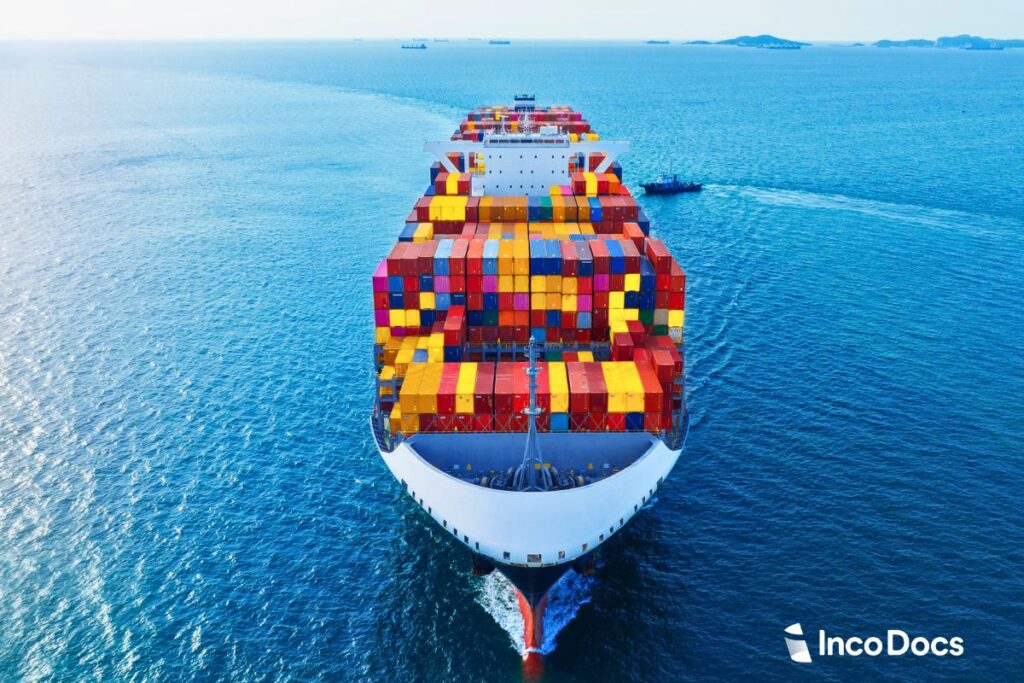
Booking reefer containers for textile cargo involves more variables than typical dry container shipments. Moreover, reefer equipment availability, seasonal congestion, and certification requirements can affect booking lead times.
Key factors include:
- Export peak seasons (Q3–Q4 for fashion industry)
- Temperature/humidity requirements
- Reefer container shortages
- Port congestion in China or Miami
- Carrier schedule and capacity
- Textiles’ material type (cotton, viscose, polyester)
- Required documentation for U.S. import
Understanding these variables allows importers to avoid unexpected delays and cost fluctuations.
2. Why Use Reefer FCL for Textile Cargo?
Textiles are extremely sensitive to moisture and temperature changes. Therefore, using reefer FCL significantly reduces the risk of:
- Mold
- Mildew
- Odor contamination
- Fiber deterioration
- Moisture staining
- Packaging damage
Comparison Table – Reefer FCL vs Dry FCL for Textiles
| Feature | Reefer FCL | Dry FCL |
|---|---|---|
| Humidity Control | Yes | No |
| Mold Prevention | Excellent | Low |
| Odor Protection | High | Low |
| Transit Stability | Consistent | Variable |
| Cargo Safety Level | Very High | Moderate |
| Cost | Higher | Lower |
Because reefer FCL offers fresher air circulation and consistent humidity, it has become a popular choice among textile importers targeting U.S. markets.
3. What Is the Complete Reefer FCL Booking Process for Textiles?
The booking process consists of several structured steps. Additionally, timely document preparation helps secure equipment earlier and ensures compliance with U.S. import rules.
Step-by-Step Booking Workflow
- Confirm cargo details: HS codes, fabric type, volume, temperature needs.
- Request freight quotation: Compare carrier routes and transit times.
- Choose shipping schedule: Select optimal sailing for Miami.
- Submit booking request: Forwarder reserves reefer container.
- Receive booking confirmation: Includes container number and cutoff times.
- Arrange inland transport: Drayage to supplier loading site.
- Load textiles into reefer container: Following airflow and stacking guidelines.
- Send VGM (Verified Gross Mass): Mandatory before vessel cutoff.
- Submit paperwork: Shipping Instruction, commercial invoice, packing list.
- Customs export clearance: China customs review.
- Container is gated in at port
- Sails to Miami
- U.S. import customs processing
- Final delivery to Miami warehouse
Each step must be completed on time to avoid rollovers or reefer plug-in charges.
What are you waiting for?
Contact chinatopfreight for a fast, free quote.
Are you ready to book?
Access live instant freight quotes
4. What Are the Estimated Shipping Costs for Reefer FCL Textiles from China to Miami?
Reefer freight is more expensive than dry FCL due to electricity use, monitoring, and equipment scarcity.
Estimated Reefer FCL Costs (China → Miami)
| China Port | Miami Port | Estimated Rate (USD) |
|---|---|---|
| Shanghai | Port of Miami | $6,800 – $8,500 |
| Ningbo | Port of Miami | $6,500 – $8,200 |
| Shenzhen/Yantian | Port of Miami | $7,000 – $8,800 |
| Qingdao | Port of Miami | $6,700 – $8,400 |
These rates vary monthly based on global demand, fuel costs, and reefer equipment circulation.
5. How Long Is the Transit Time for Reefer FCL from China to Miami?
Transit times depend on origin port, routing, and carrier preference. Additionally, transshipment may extend total duration.
Transit Time Table (Reefer FCL: China → Miami)
| China Port | Miami Arrival | Transit Time |
|---|---|---|
| Shanghai | Miami | 32–40 days |
| Ningbo | Miami | 33–41 days |
| Shenzhen/Yantian | Miami | 34–42 days |
| Qingdao | Miami | 35–43 days |
Most carriers route through Panama Canal or Pacific transshipment hubs.
6. What Documentation Is Required for Textile Imports into Miami?
Textile imports have strict compliance requirements in the U.S. market. Moreover, incorrect paperwork causes expensive inspections and delays.
Customs Documents Checklist
| Document | Purpose |
|---|---|
| Commercial Invoice | Declares value and textile details |
| Packing List | Lists materials and specifications |
| Bill of Lading | Proof of shipment |
| ISF (Importer Security Filing) | Required 24 hours before loading |
| Certificate of Origin | For duty classification |
| Textile Declaration (if required) | Mandatory for apparel items |
| HS Codes | Determines customs duties |
| Insurance Policy | Covers moisture or transit risks |
ISF non-compliance may trigger penalties up to $5,000.
7. How Do Textile Characteristics Affect Reefer FCL Booking Decisions?
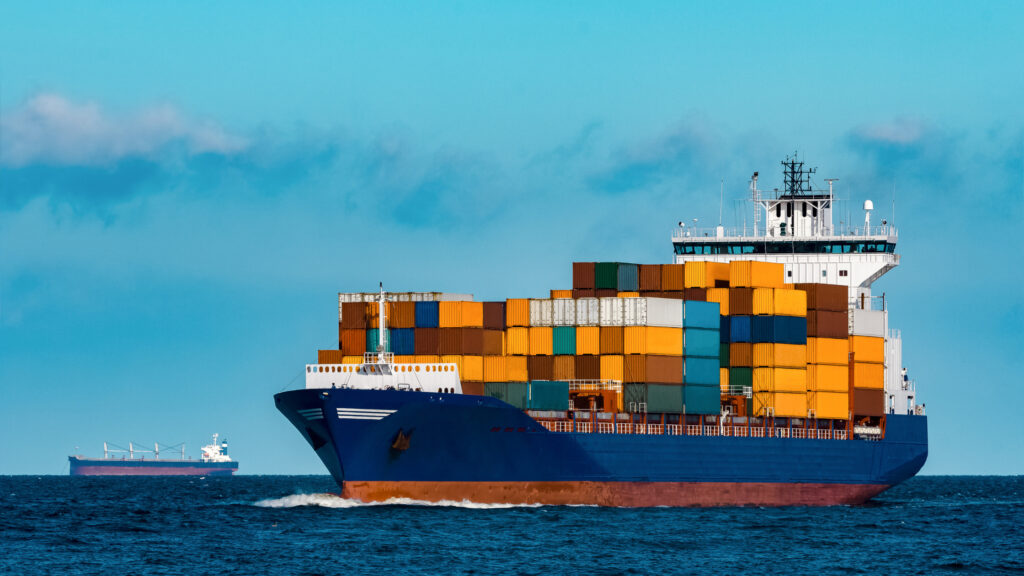
Certain textiles absorb humidity faster than others. Therefore, they require precise reefer settings and stable routing.
Textile Moisture Sensitivity Overview
| Textile Type | Moisture Risk | Recommended Setting |
|---|---|---|
| Cotton | High | 50–55% humidity |
| Wool | High | Stable airflow required |
| Polyester | Low | Standard reefer acceptable |
| Silk | Medium | No condensation |
| Blended Fabrics | Medium | Balanced humidity control |
Furthermore, packaging quality dramatically influences final cargo condition.
8. What Are the Pros and Cons of Using Reefer FCL for Textiles?
Although reefer shipping costs more, the benefits outweigh the expense for moisture-sensitive textiles.
Pros and Cons Table
| Pros | Cons |
|---|---|
| Predictable humidity and temperature | Higher freight costs |
| Greatly reduced mold risk | Requires early booking |
| Protection from odor contamination | Monitoring fees may apply |
| Ideal for premium fabrics | More complex loading procedures |
| Better cargo integrity | Limited equipment availability |
For Miami’s humid climate, reefer shipments are especially beneficial.
9. What Packaging and Loading Practices Ensure Textile Quality?
Proper packaging is critical— textiles easily absorb moisture, causing stains, mildew, or fiber distortion.
Essential Packaging Steps
- Use moisture-proof polybags for each unit
- Add silica gel packets
- Use vacuum-sealed bags for wool or cotton
- Reinforce cartons with waterproof coating
- Maintain ventilation between pallets
- Avoid stacking beyond recommended height
Additionally, workers must ensure reefer airflow vents are not blocked during loading.
10. How Can Importers Reduce the Cost of Reefer FCL Shipments?
Although reefer shipments are inherently more expensive, several optimization strategies help reduce cost without compromising quality.
Cost-Reduction Strategies
- Book 2–3 weeks in advance
- Combine multiple suppliers into one FCL
- Choose carriers with stable reefer circulation
- Avoid peak seasons when textile demand spikes
- Ship via slightly longer but cheaper routes if timing allows
- Standardize carton sizes for efficient loading
Moreover, long-term freight agreements bring more predictable pricing.
Conclusion
Understanding the Reefer FCL booking process for textiles from China to Miami helps importers protect sensitive fabrics, reduce moisture-related risks, and maintain supply chain stability. Although reefer shipping is more expensive than standard dry containers, it offers precise humidity control, consistent temperature management, and superior protection for cotton, wool, silk, and apparel products. By preparing the correct documents, choosing efficient routes, and coordinating with experienced freight forwarders, textile importers can achieve reliable transit times, minimize damage claims, and maintain high product quality upon arrival.
FAQ
1. Why do textiles require reefer containers for long-distance shipping?
Textiles absorb moisture quickly, and reefer containers maintain stable humidity levels to prevent odors, mold growth, color distortion, and long-term fiber damage.
2. How early should I begin the booking process for reefer FCL?
It’s best to start two to three weeks before your preferred sailing date, ensuring container availability and avoiding peak-season shortages.
3. Are all textile categories eligible for reefer shipping?
Yes. Cotton, wool, polyester, and blended fabrics all benefit from controlled humidity, although highly sensitive materials may require specific settings.
4. What happens if reefer settings are incorrect during transport?
Incorrect settings may cause condensation, moisture absorption, or mildew issues. Therefore, importers should confirm instructions with the carrier before loading.
5. Does reefer FCL shipping increase transit time?
Not usually. Transit time is similar to dry FCL, although reefer containers require additional monitoring at terminals, which may slightly affect handling time.
6. Can multiple types of textiles be shipped together in the same reefer container?
Yes, as long as all items share similar humidity and temperature requirements. Avoid mixing fabrics sensitive to different environmental conditions.