

- By ayla tj
- November 28, 2025
- Logistics Guide
Shipping solar panels efficiently requires careful planning, especially when importers must balance delivery deadlines with cost control. When analyzing the 40GP FCL sailing schedule for solar panels from China to Seattle, buyers often struggle with fluctuating transit times, vessel availability, and port congestion. This guide provides a complete breakdown to help you schedule shipments with confidence and avoid costly delays.
1. What Factors Influence the 40GP FCL Sailing Schedule for Solar Panels from China to Seattle?
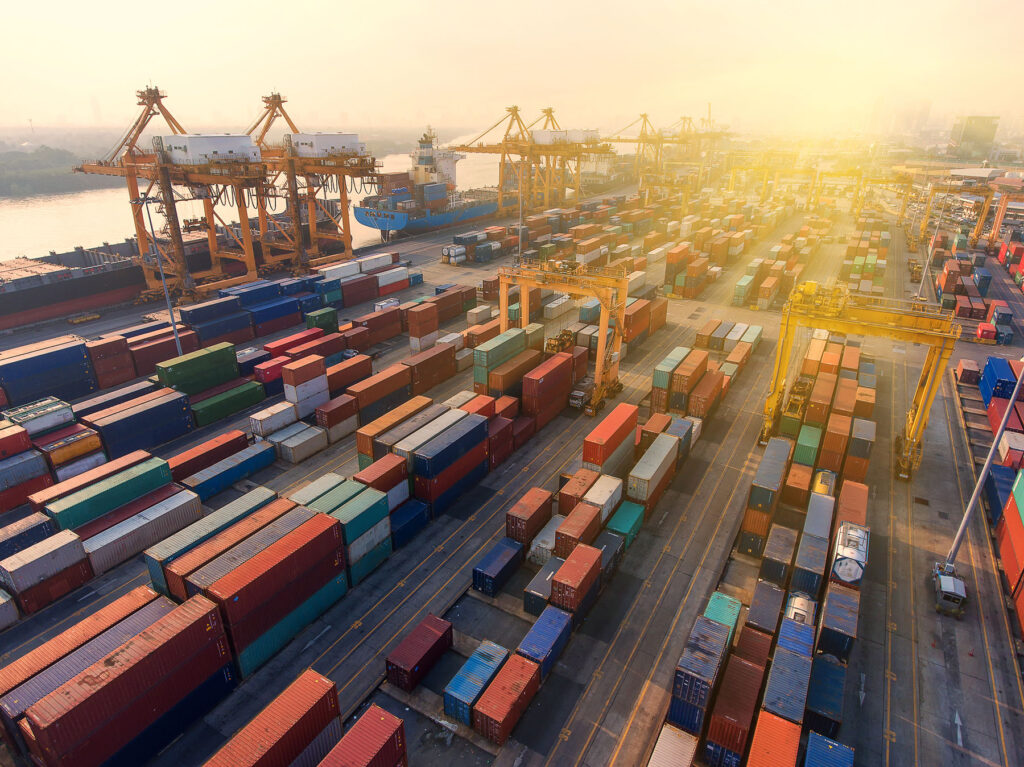
Multiple operational and seasonal elements affect sailing schedules. Additionally, solar panel shipments are time-sensitive due to project deadlines and installation commitments. Key factors include:
- Carrier route availability
- Vessel rotation & port congestion
- Weather conditions across the Pacific
- Transshipment risk at Busan or Kaohsiung
- Peak season volume surges
- Customs inspection workload
Although carriers aim for consistency, these variables mean importers should always check updated schedules before booking.
2. How Long Is the Usual Transit Time for a 40GP FCL from China to Seattle?
Transit time depends heavily on the port of origin. Moreover, different carriers offer unique service rotations, which may affect departure frequency and arrival windows.
Transit Time Comparison Table
| China Port | Estimated Transit Time to Seattle | Notes |
|---|---|---|
| Shanghai | 14–18 days | Direct or semi-direct |
| Ningbo | 15–19 days | High sailing frequency |
| Qingdao | 18–24 days | May include transshipment |
| Shenzhen / Yantian | 17–22 days | Strong export volume |
| Xiamen | 16–21 days | Limited direct sailings |
These times represent typical carrier performance, although delays may occur during peak shipping months.
3. Why Is Sailing Schedule Planning Crucial for Solar Panel Shipments?
Solar panel distribution relies on strict project timelines. Since delays can affect construction schedules, penalties, and ROI, accurate schedule forecasting ensures:
- On-time delivery for solar farm installations
- Efficient coordination with inland logistics
- Reduced inventory uncertainty
- Greater supply chain visibility
Additionally, solar panels are often purchased under long-term procurement contracts, meaning timing impacts cash flow and milestone payments.
What are you waiting for?
Contact chinatopfreight for a fast, free quote.
Are you ready to book?
Access live instant freight quotes
4. What Are the Main Shipping Routes for 40GP FCL Containers from China to Seattle?
Carriers typically follow one of three Pacific service routes.
Primary China–Seattle Routes (40GP FCL)
Route A — North China Direct
- Qingdao → Shanghai → Seattle
- Faster inland distribution for U.S. Northwest
- Ideal for solar farms located near Washington or Oregon
Route B — East China Direct
- Ningbo → Shanghai → Seattle
- Highest frequency
- Balanced transit time and reliability
Route C — South China Transshipment
- Yantian → Hong Kong → Busan → Seattle
- Slightly longer but cost-effective
- Useful for solar panels loaded in Guangdong province
Since solar panels require careful handling, many importers prefer direct sailings to reduce transshipment risks.
5. What Is the Typical 40GP FCL Schedule Frequency for Solar Panel Shipments?
While most carriers offer weekly departures, frequency may shift based on seasonal demand.
Weekly Sailing Frequency Overview
| Carrier | Frequency | Notes |
|---|---|---|
| COSCO | Weekly | Good China–West Coast coverage |
| CMA CGM | Weekly | Competitive transit times |
| MSC | Weekly | Stable rotations from Shanghai |
| Hapag-Lloyd | Weekly | Strong direct services |
| Evergreen | Weekly | Efficient transshipment options |
Because solar panels are bulky and high-value, many importers prioritize reliable carriers during peak season.
6. How Do Shipping Costs Affect Schedule Planning?
Although schedules and rates are separate, they influence each other indirectly. For example, direct routes often cost more, but they reduce delay risk, which is critical for project-based cargo like solar panels.
Estimated 40GP FCL Cost Components
| Cost Segment | Typical Range (USD) |
|---|---|
| Base Ocean Freight | $2,800–$4,300 |
| Origin Handling | $150–$250 |
| Destination THC | $350–$550 |
| Documentation | $60–$120 |
| Customs Clearance | $120–$180 |
| Drayage to Seattle Warehouse | $350–$700 |
Even though cost is a major factor, choosing a stable sailing schedule often prevents expensive project delays.
7. What Documents Are Needed for Solar Panel Shipments to Seattle?
Solar products require additional compliance measures, especially because of tariff classifications and anti-dumping concerns. Proper documentation ensures a smooth customs process.
Document Checklist Table
| Document | Purpose |
|---|---|
| Commercial Invoice | Value + tariff assessment |
| Packing List | Weight + CBM verification |
| Bill of Lading | Transport contract |
| Export Declaration (China) | Export compliance |
| ISF Filing | Mandatory for U.S. imports |
| Solar Module Certifications | Safety & compliance |
| HS Code Classification | Duty verification |
Failure to provide accurate photocells or module certifications may cause customs delays or inspections.
8. What Are the Pros and Cons of Different Transport Modes for Solar Panels?
Although 40GP FCL is the most economical option, comparing other methods helps importers make informed decisions.
Shipping Method Comparison Table
| Mode | Cost | Transit Time | Pros | Cons |
|---|---|---|---|---|
| FCL Sea Freight (40GP) | Low | 14–24 days | Cost-effective, safe for bulk cargo | Slow during peak season |
| Air Freight | Very high | 3–7 days | Fastest, ideal for urgent projects | Extremely costly for heavy panels |
| Rail Freight | Not available to U.S. | — | — | No China–U.S. rail connection |
| Express Courier | Highest | 2–5 days | Good for samples | Not suitable for full containers |
Solar panels’ weight and volume make FCL the top choice for long-distance shipments.
9. How Do Weather and Seasonal Trends Affect the Sailing Schedule?
Weather disruptions across the Pacific can significantly alter arrival times. Additionally, seasonal patterns impact both capacity and reliability.
Seasonal Impact Summary
- Winter storms: Cause vessel slowdowns
- Golden Week: Leads to rescheduled sailings
- Peak solar demand (April–September): Space competition increases
- Year-end congestion: More rollovers and delays
Therefore, planning shipments 2–4 weeks earlier than usual during peak seasons is highly recommended.
10. How Should Importers Plan Their Shipping Timeline Effectively?
Strategic planning ensures smoother operations and reduces risk.
Best Practices for Timeline Management
- Review schedules across multiple carriers
- Avoid routes with known transshipment bottlenecks
- Confirm solar panel readiness at factory before booking
- Allow buffer time for customs inspection
- Track vessels in real time via carrier portals
Moreover, working with an experienced freight forwarder provides access to updated route forecasts and priority allocation.
Conclusion
Understanding the 40GP FCL sailing schedule for solar panels from China to Seattle allows importers to better align supply chains, prevent construction delays, and manage project budgets efficiently. Moreover, planning early, choosing reliable carriers, and maintaining accurate documents significantly improves shipment reliability. When executed correctly, these strategies ensure solar panels arrive safely, on time, and ready for installation.
FAQ
1. How early should I book a 40GP FCL for solar panel shipments?
Booking at least 2–3 weeks early ensures space availability, especially during peak solar installation months. Early scheduling reduces risk of rollovers or carrier delays.
2. Are direct sailings better for transporting solar panels?
Direct sailings reduce handling and lower damage risk. Although sometimes more expensive, they provide stable transit times and avoid transshipment delays common in South China routes.
3. Do solar panels require special packaging for sea freight?
Yes, solar panels need reinforced crates or foam-lined cartons. Proper protection reduces vibration damage during loading, sea movement, and inland trucking to Seattle.
4. Can sailing schedules change after the vessel departs?
Schedules may change due to weather, port congestion, or operational adjustments. Tracking the vessel online ensures real-time visibility throughout the shipment.
5. What certifications are required when importing solar panels into the U.S.?
Common certifications include IEC, UL, and product conformity reports. These documents confirm safety compliance and help avoid customs inspections or entry refusals.