

- By ayla tj
- December 1, 2025
- Logistics Guide
Ensuring stable reefer FCL space availability for lighting from China to Norway is now a major priority for importers who rely on consistent supply chains, strict humidity control, and predictable transit schedules. Moreover, lighting cargo—especially LEDs, architectural fixtures, smart lighting systems, and commercial-grade components—requires controlled ambient conditions to prevent moisture damage. Therefore, understanding availability trends, capacity constraints, and booking strategies is essential for every importer.
Why Is Reefer FCL Space Availability Critical for Lighting Shipments?
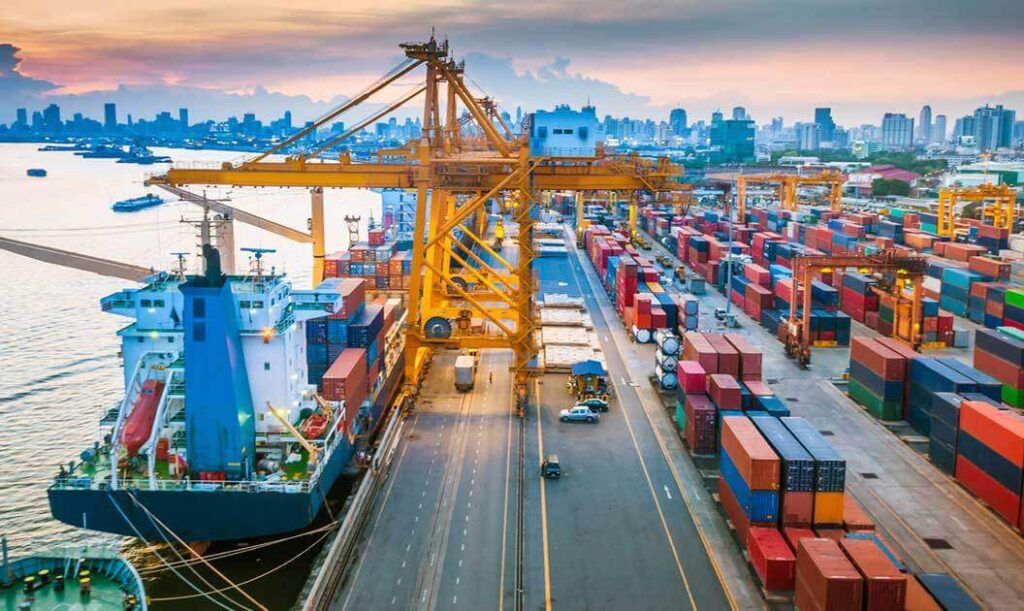
Lighting shipments frequently involve sensitive electronics, glass components, and aluminum housings prone to corrosion. Consequently, reefer FCL shipping provides humidity-stable environments that reduce condensation during long ocean voyages. Moreover, the China–Norway route includes seasonal temperature variations, making environmental control an important factor, particularly for high-value lighting systems.
What Makes Reefer FCL Ideal for Lighting Cargo?
Reefer FCL containers offer temperature-controlled and humidity-stable environments that protect lighting components during long transit times. Additionally, consistent airflow and controlled condensation levels significantly minimize product damage compared to standard dry containers. This is especially beneficial for LED chips, sensitive electronic drivers, and moisture-prone fittings.
What Factors Influence Reefer FCL Space Availability from China to Norway?
Reefer container availability is influenced by multiple global and regional forces. Moreover, carriers often prioritize perishables such as fruits, seafood, and pharmaceuticals. As a result, non-perishable yet humidity-sensitive shipments like lighting systems may face reduced space unless booked early.
Key Availability Influencers
Seasonal Export Pressure
During Q3 and Q4, demand spikes sharply due to Chinese manufacturing cycles and European year-end retail demand.
Carrier Reefer Fleet Allocation
Carriers may reposition reefer fleets toward North America or Southeast Asia depending on profitability.
Terminal Plug-in Capacity
Ports with limited reefer plug-ins restrict how many containers can be handled simultaneously.
Equipment Shortages
Surges in global reefer use lead to shortages in widely used ports such as Shanghai, Ningbo, and Shenzhen.
These factors indicate why early planning is essential for lighting importers.
What are you waiting for?
Contact chinatopfreight for a fast, free quote.
Are you ready to book?
Access live instant freight quotes
What Is the Transit Time for Reefer FCL Shipping from China to Norway?
Transit times vary depending on routing, feeder schedules, and European gateway connections. Nevertheless, most reefer containers travel through major EU hubs before connecting to Norway via feeder vessels.
Transit Time Overview
Table 1 — Reefer FCL Transit Time Estimates (Days)
| China Port | Norway Port | Transit Time | Notes |
|---|---|---|---|
| Shanghai | Oslo | 32–38 days | Usually via Rotterdam or Hamburg |
| Ningbo | Bergen | 34–40 days | Feeder schedule may affect timing |
| Shenzhen | Stavanger | 30–36 days | Faster southbound routes available |
| Qingdao | Oslo | 35–42 days | Weather delays common in winter |
Because reefer containers require power access, delays at transshipment ports may slightly lengthen overall travel time.
How Much Does Reefer FCL Shipping Cost for Lighting Products?
Reefer freight costs vary significantly based on season, carrier capacity, and global reefer demand. Additionally, lighting importers must consider cold-chain handling fees, reefer monitoring charges, and surcharges applied during peak demand months.
Reefer FCL Cost Reference
Table 2 — Estimated Reefer FCL Pricing (USD)
| Item | 20RF | 40RF | Notes |
|---|---|---|---|
| Base Freight | $3,200–$4,500 | $5,800–$7,900 | Seasonal variations |
| Reefer Monitoring | $60–$110 | $90–$160 | Terminal plug-in usage |
| Cold-Chain Handling | $80–$120 | $120–$180 | Ensures controller operation |
| Peak Season Surcharge | $150–$300 | $250–$450 | Common Q4 |
Long-tail keywords such as reefer freight cost for LEDs, temperature-controlled logistics for lighting, and cold-chain FCL transit management integrate naturally here.
Which Documents Are Required for Reefer FCL Lighting Imports to Norway?
Lighting imports to Norway must adhere to strict customs and product compliance rules. Furthermore, reefer cargo requires accurate environmental declarations for inspection and clearance.
Documentation Checklist
Table 3 — Required Documents
| Document | Mandatory | Description |
|---|---|---|
| Commercial Invoice | Yes | Include HS codes and product descriptions |
| Packing List | Yes | Detailed loading information |
| Bill of Lading | Yes | Show reefer temperature settings |
| CE Certification | Yes | Required for EU electrical goods |
| Certificate of Origin | Optional | Useful for duty benefits |
| Temperature Log | Optional | Recommended for humidity-sensitive cargo |
| Importer Registration | Yes | VOEC/EORI depending on product type |
Accurate documentation helps avoid delays that increase plug-in fees at terminals.
How to Secure Reefer FCL Space Availability in Peak Season?
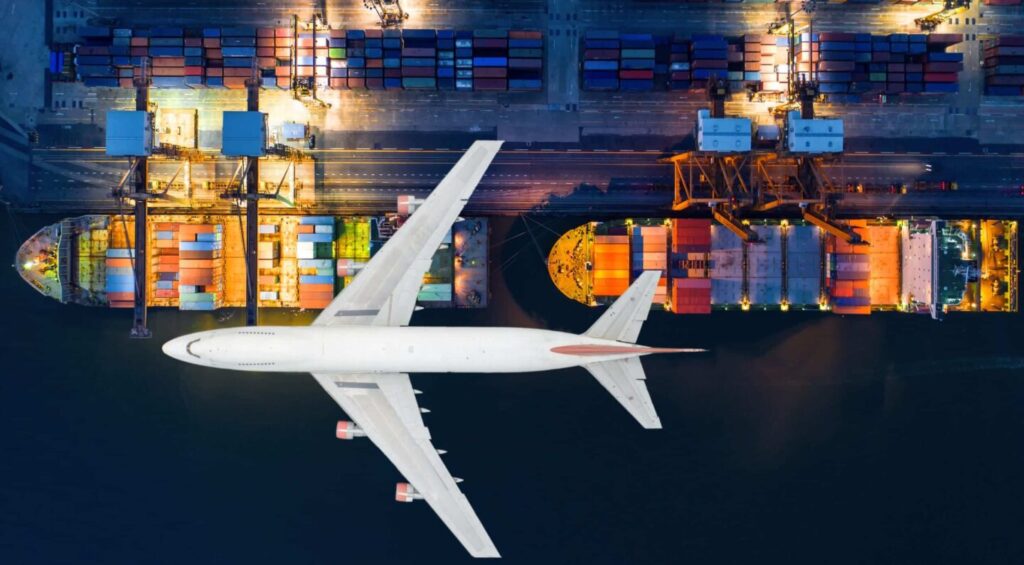
Reefer space often sells out weeks in advance during peak season, especially from high-volume ports. Therefore, shippers moving lighting products must adopt proactive booking strategies.
Effective Space-Securing Techniques
Book 4–5 Weeks Early
Reefer availability for non-perishables is limited, making early booking essential.
Use Multi-Carrier Options
Diversifying carriers increases booking success by avoiding reliance on one provider.
Utilize Flexible Departure Windows
Departing a few days earlier or later improves chances of securing capacity.
Work with NVOCC Forwarders
Forwarders often have reserved reefer block space for high-volume clients.
Select Ports with Higher Reefer Plug-In Capacity
Shanghai, Ningbo, and Qingdao generally offer stronger reefer infrastructure.
These strategies significantly improve booking performance during peak shipping months.
What Alternatives Exist If Reefer FCL Space Is Unavailable?
Although reefer FCL is optimal, lighting importers can consider alternative shipping modes if reefer space is unavailable. However, each option has cost and condition-control limitations.
Shipping Method Comparison
Table 4 — Air vs. Sea vs. Rail Options
| Method | Cost | Transit Time | Best Use Case | Limitations |
|---|---|---|---|---|
| Reefer FCL | $$ | 30–40 days | Moisture-sensitive lighting | Space often limited |
| Air Freight | $$$$ | 3–7 days | Urgent LED orders | Highest cost |
| Rail Freight | $$$ | 18–24 days | Mixed lighting cargo | Indirect to Norway |
| Dry FCL + Desiccants | $ | 30–40 days | Some lighting categories | Lower humidity control |
Moreover, combining enhanced packaging with dry FCL is sometimes acceptable for less sensitive lighting.
What Risks Should Importers Consider When Shipping Lighting via Reefer FCL?
Although reefer containers are advanced, lighting cargo still faces unique risks. Additionally, improper airflow and incorrect settings can significantly reduce cargo integrity.
Common Risk Factors
Condensation Damage
Fluctuating temperatures at transshipment ports may create condensation.
Incorrect Temperature Settings
Mistakes during handovers can set unsuitable ranges.
Terminal Power Shortages
If reefer plugs are unavailable, brief disconnects may occur.
Shock & Vibration Issues
Lighting components with glass elements require extra cushioning.
Stacking Irregularities
Improper palletization reduces airflow inside the reefer.
These risks highlight the importance of advanced packing and monitoring.
How to Improve Packing for Reefer FCL Lighting Shipments?
Proper packaging reduces the risk of damage and ensures environmental consistency inside the reefer unit. Furthermore, correct airflow management prevents internal sweating.
Best Packing Practices
Use Moisture-Blocking Inner Packaging
Anti-static bags and vapor-resistant materials reduce humidity exposure.
Add Silica Gel Packs
Desiccants help stabilize the internal environment during transit.
Use Export-Grade Double-Wall Cartons
This ensures higher durability for long voyages.
Palletize with Corner Guards
Corner protection reduces shock impact.
Leave Air Channels Open
Reefers require airflow circulation to maintain temperature stability.
These techniques significantly reduce the risk of cargo degradation.
Conclusion
Maintaining dependable reefer FCL space availability for lighting from China to Norway requires careful planning, early booking, and specialized handling. Moreover, consistent environmental control helps protect sensitive lighting components throughout the long ocean route. Therefore, by selecting reliable carriers, optimizing packaging, preparing documentation, and partnering with experienced logistics providers, importers can safeguard cargo quality and improve supply-chain efficiency for lighting shipments into Norway.
FAQ
1. Why do lighting products need reefer conditions during ocean shipping?
Lighting components are sensitive to moisture, and controlled humidity prevents corrosion, condensation, and electrical failure during long sea voyages, especially on humid multi-climate routes.
2. How early should I book reefer FCL space for lighting imports?
Booking 4–5 weeks in advance is recommended because carriers prioritize perishables, making reefer space extremely limited for non-food cargo such as lighting fixtures.
3. Does Norway require CE certification for lighting imports?
Yes. All lighting and electrical items entering Norway or the EU require CE certification to comply with safety, environmental, and energy-efficiency regulations.
4. Can dry FCL be used with desiccants instead of a reefer container?
Yes, in some cases. Dry FCL with enhanced moisture-control packaging works for less sensitive lighting cargo, but high-value LED products still benefit from reefer protection.
5. Are reefer containers more likely to face delays at transshipment ports?
Not necessarily. Although they require plug-in points, operational priority often helps maintain reasonable schedules, but peak-season congestion may still cause delays.