

- By ayla tj
- December 3, 2025
- Logistics Guide
Lighting products—such as LED fixtures, outdoor floodlights, smart lighting modules, commercial lamps, and temperature-sensitive lighting electronics—require consistent temperature management and precise logistics planning. Because Miami’s humid climate increases the risk of moisture damage, importers rely on Reefer FCL detention prevention for lighting from China to Miami to ensure safe handling, predictable schedules, and minimized detention fees. Additionally, Miami is a high-volume port with seasonal congestion, making proactive detention prevention essential for lighting distributors.
This complete guide outlines how to avoid detention, manage reefer containers efficiently, and keep your lighting supply chain stable.
1. What Causes Reefer FCL Detention for Lighting Cargo in Miami?

Detention fees occur when containers remain outside the terminal beyond the carrier’s free-time allowance. Many lighting shipments face delays because they require additional clearance steps, humidity-sensitive inspection, or specialized handling arrangements.
Common Detention Triggers
- Late trucking appointments or lack of chassis
- Incorrect HS codes or mismatched lighting documentation
- Random customs inspections of electrical components
- PortMiami yard congestion
- Delays in reefer plug-in or unplug scheduling
- Weather-related port closures
Therefore, lighting importers must plan every step—from clearance to pickup—to avoid unnecessary detention expenses.
2. Why Do Lighting Products Require Reefer Containers?
Many high-value lighting products include sensitive electronics, LED drivers, power modules, and moisture-reactive materials. Miami’s heat and humidity can cause:
- LED color shifts
- Power supply malfunction
- Condensation damage to drivers
- Moisture-related corrosion
- Deformation of sensitive plastic lenses
Reefer containers maintain a stable temperature and prevent these issues during long ocean transit.
3. What Is the Transit Time for Reefer FCL from China to Miami?
Transit time depends on routing, departure port, and carrier availability. Miami receives reefer cargo primarily via transshipment hubs.
TABLE 1 — Transit Time Estimates (China → Miami)
| Origin Port | Transit Time | Routing Type | Notes |
|---|---|---|---|
| Shenzhen | 33–38 days | Via Transshipment | Reliable for lighting electronics |
| Ningbo | 35–40 days | Via Transshipment | Consistent schedule |
| Shanghai | 34–39 days | Mixed Routing | Moderate congestion |
| Qingdao | 36–42 days | Via Transshipment | Variable feeder timing |
These estimates help importers coordinate warehouse capacity and prevent detention-related delays during pickup.
4. How Do Transportation Methods for Lighting Compare?
Lighting importers shipping to Miami typically choose between sea freight and air freight. Sea freight provides cost efficiency, while air freight offers speed for urgent restocking.
TABLE 2 — Transportation Method Comparison (China → Miami)
| Category | Sea Freight (FCL) | Air Freight |
|---|---|---|
| Cost | Low | High |
| Transit Time | Slow | Fast |
| Volume Capacity | High | Low |
| Suitable Cargo | All lighting types | Urgent lighting orders |
This comparison helps importers choose the best mode based on urgency, budget, and product sensitivity.
5. What Documentation Helps Prevent Detention in Miami?
Lighting products often require electrical certifications, making documentation accuracy essential. Any mismatch can trigger customs holds.
Essential Documents
- Packing list with LED model numbers
- Commercial invoice
- Bill of lading
- UL/FCC certification for lighting electronics
- HS code declaration
- Product safety compliance reports
- ISF (Importer Security Filing)
Submitting complete files in advance significantly reduces detention risk.
6. What Are the Main Cost Drivers for Reefer FCL Lighting Shipments?
Reefer shipments involve temperature-control surcharges and plug-in fees at terminals. Detention fees escalate when containers cannot be picked up in time.
TABLE 3 — Cost Breakdown for Reefer Lighting Cargo
| Cost Component | Estimated Range | Responsibility | Notes |
|---|---|---|---|
| Ocean Freight | $3,800–$5,300 | Importer | Seasonal variation |
| Reefer Surcharge | $250–$450 | Importer | Based on temperature |
| Destination THC | $350–$550 | Importer | Standard for Miami |
| Plug-in Fees | $30–$55/day | Importer | Applies during storage |
Understanding these costs allows importers to create more predictable landed-cost models.
What are you waiting for?
Contact chinatopfreight for a fast, free quote.
Are you ready to book?
Access live instant freight quotes
7. How to Prevent Reefer FCL Detention for Lighting Products?
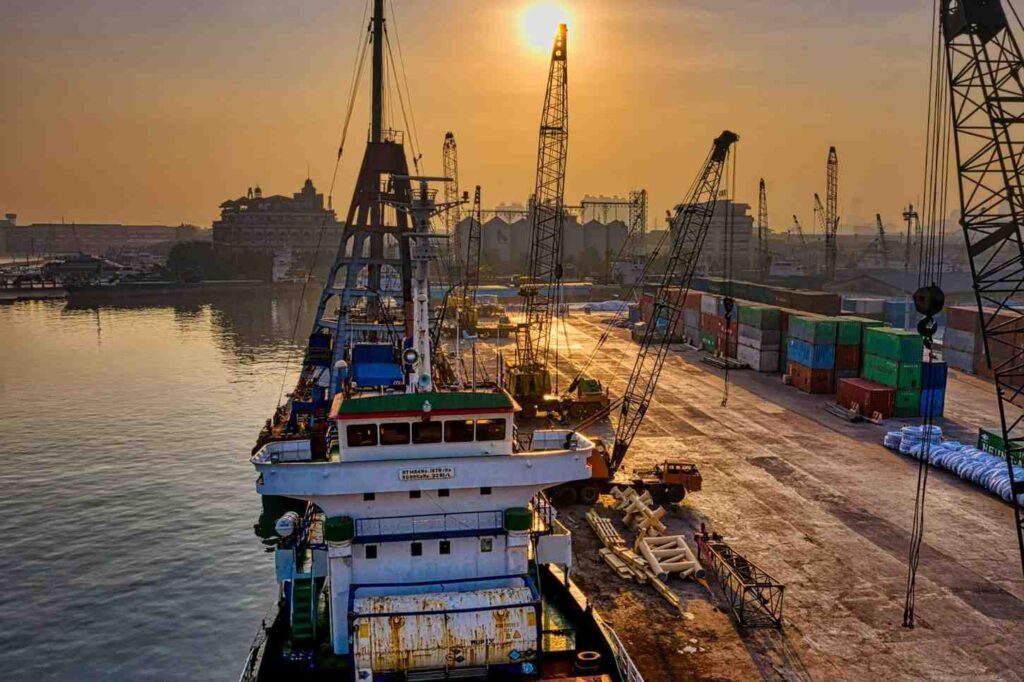
Effective detention prevention requires proactive planning before the container arrives at PortMiami.
Key Strategies
1. Pre-clear customs before arrival
This eliminates waiting time after discharge.
2. Secure trucking appointments early
Miami faces chassis shortages and driver bottlenecks during peak seasons.
3. Provide accurate lighting product descriptions
LED products are frequently inspected for electrical compliance.
4. Coordinate reefer plug-in/unplug timing
Miscommunication can add unnecessary days to storage.
5. Avoid peak congestion periods
Pre-Chinese New Year and Q4 retail seasons generate heavy traffic.
8. What Lighting Products Benefit Most from Reefer Protection?
Lighting electronics are highly sensitive to temperature and humidity. Products that need controlled environments include:
- High-power LED modules
- Industrial lighting drivers
- Outdoor waterproof lighting
- Solar lighting controllers
- Smart lighting chips
- Medical-grade illumination units
Because Miami’s climate accelerates moisture exposure, these products benefit from reefer FCL shipping.
9. Why Do Lighting Shipments Face More Inspections in Miami?
Lighting products may fall under electrical product regulations, increasing the likelihood of customs inspection.
Frequent Inspection Triggers
- Incorrect HS codes (9405 vs. 8539)
- Missing FCC/UL documents
- Products containing lithium components
- Inconsistent labeling
- Unverified LED safety certificates
Any inspection can add days, increasing detention risk.
10. How to Improve Supply Chain Planning for Miami Deliveries?
Because lighting products follow seasonal demand patterns, supply chain scheduling must anticipate delays and congestion.
Effective Planning Methods
- Use buffer stock ahead of peak seasons
- Track containers via real-time platforms
- Maintain stable supplier production schedules
- Pre-book chassis and trucking services
- Prepare alternate pickup windows
- Work with a forwarder experienced in electronics and reefer operations
These steps dramatically reduce detention-related problems.
Conclusion
A well-designed Reefer FCL detention prevention for lighting from China to Miami strategy ensures stable transit, faster clearance, and minimized detention fees. By preparing documents early, securing trucking appointments, selecting reliable carriers, and using reefer containers for sensitive lighting products, importers can maintain a resilient, efficient, and cost-controlled supply chain. With expert planning, lighting shipments reach Miami safely and on schedule—even during peak periods.
FAQ
1. How early should I book reefer space for lighting shipments?
Booking two to three weeks early ensures better availability and allows enough time for documentation review before the vessel arrives.
2. Do lighting products require special certifications for import?
Yes. Many LED and electronic lighting items need FCC, UL, or safety documentation, which customs frequently checks for compliance.
3. How can I avoid detention caused by customs inspections?
Submit accurate product descriptions, verify HS codes, and ensure all compliance certificates are ready before arrival.
4. Is air freight suitable for lighting products?
Air freight is ideal for urgent orders but more expensive. It prevents detention by eliminating long ocean transit delays.
5. What causes reefer plug-in charges at Miami ports?
Reefer units require power during storage. Plug-in fees accumulate if containers wait too long for clearance or trucking.