

- By ayla tj
- December 3, 2025
- Logistics Guide
Shipping textiles across long international routes involves multiple risks. When importing into Poland, ensuring proper 20GP FCL insurance for textiles from China to Poland becomes essential, especially since textile cargo is highly sensitive to moisture, temperature fluctuations, handling damage, and customs delays. However, with the right insurance strategy, shippers can reduce financial exposure while improving supply-chain reliability.
What Makes 20GP FCL Insurance Essential for Textiles from China to Poland?
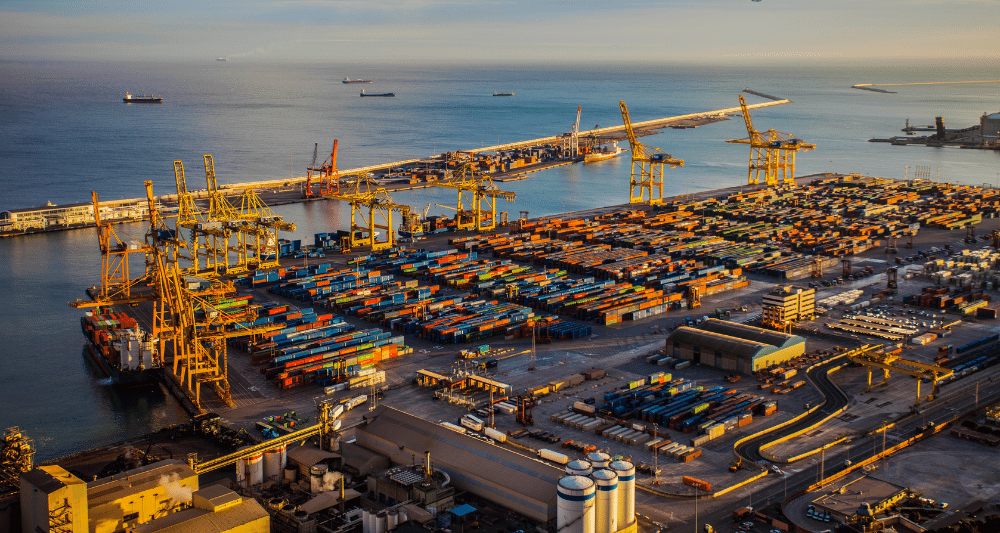
Textile cargo faces higher-than-average risks because fabrics absorb moisture, lose color, deform under pressure, and can be damaged easily during terminal handling. Therefore, proper insurance offers financial security throughout the multimodal route from China to Poland.
Common risks affecting textile shipments
- Moisture absorption leading to mold
- Overstacking and compression damage
- Contamination from oil, dust, or liquid leaks
- Fire or water exposure in warehouses
- Theft during multimodal handovers
- Carton loss during port or rail transfers
Because textiles typically ship in large volumes, a single damaged container can result in significant loss—making coverage indispensable.
How Does 20GP FCL Insurance Work for China–Poland Textile Imports?
Insurance protects the cargo value against unexpected events across sea, rail, and air legs. Most importers choose ICC (A) coverage because it provides comprehensive protection and reimburses a broader range of losses.
Common insurance coverage types
- All-risk protection under ICC (A)
- ICC (B) or (C) limited coverage
- Full-value container-based coverage
- Rail freight insurance for China–Europe Railway cargo
- Air cargo insurance for urgent textile shipments
Premiums depend on insured value, cargo nature, route risk level, and seasonal demand fluctuations.
Which Transport Modes Are Available for Shipping Textiles to Poland?
China and Poland maintain strong logistics connectivity through maritime, rail, and air transport. Importers can choose the most suitable option based on urgency, budget, and seasonal demand.
Below is the accurate, real-world transportation mode comparison for this route.
Shipping Method Comparison (Sea + Rail + Air)
| Mode | Cost Level | Transit Time | Best Use Case |
|---|---|---|---|
| Sea Freight (20GP FCL) | Low | 28–38 days | Bulk textile shipments & cost-driven importers |
| Rail Freight (20GP FCL) | Medium | 15–22 days | Faster restock cycles & balanced cost/time |
| Air Freight | High | 3–7 days | Urgent apparel, samples, high-value textiles |
This combination reflects the actual supported modes for China → Poland shipments.
What Is the Transit Time for 20GP FCL Shipments from China to Poland?
Transit times depend on origin port, chosen route, customs workload, and seasonal congestion. Sea freight is the most common option, while rail offers a faster alternative.
Estimated transit time overview
| Origin in China | Mode | Gdańsk | Gdynia | Warsaw (Rail) |
|---|---|---|---|---|
| Shanghai | Sea | 32–38 days | 30–36 days | — |
| Ningbo | Sea | 30–35 days | 28–33 days | — |
| Shenzhen | Sea | 33–40 days | 31–38 days | — |
| Xi’an / Chongqing | Rail | — | — | 15–20 days |
Rail is ideal for replenishment cycles where speed and predictability matter.
How Much Does 20GP FCL Insurance Cost for Textile Cargo?
Insurance cost is usually calculated as 0.1%–0.35% of the insured value, depending on coverage level, transport mode, and risk classification. Textiles fall under medium-risk cargo and often require moisture-related protections.
Typical insurance premium ranges
| Cargo Value (USD) | ICC (A) | ICC (B) | ICC (C) |
|---|---|---|---|
| $20,000 | $50–$95 | $35–$60 | $25–$40 |
| $40,000 | $85–$140 | $55–$90 | $40–$65 |
| $60,000 | $130–$200 | $80–$120 | $55–$85 |
To minimize cost fluctuations, importers often secure fixed-rate annual cargo policies.
What are you waiting for?
Contact chinatopfreight for a fast, free quote.
Are you ready to book?
Access live instant freight quotes
Which Documents Are Required for Textile Cargo Insurance Claims?
Having the correct documents is essential for a smooth claims process. Well-prepared paperwork ensures that insurers can verify cargo condition, shipment value, and cause of loss.
Required claim documentation
| Document | Purpose |
|---|---|
| Commercial Invoice | Establishes insured value |
| Packing List | Confirms quantity and packaging details |
| Bill of Lading / Rail AWB / Air AWB | Shows transport mode and ownership |
| Survey Report | Independent assessment of damage |
| Photographic Evidence | Visual proof of loss |
| Claim Form | Required by insurance provider |
Submitting all documents increases the chances of rapid reimbursement.
Why Do Textile Importers Prefer ICC (A) for China–Poland Shipments?
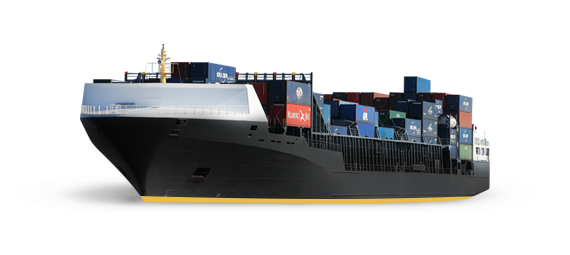
ICC (A) offers the broadest protection, covering more unplanned incidents than ICC (B) or ICC (C). Because textiles are lightweight but high-value in bulk, broad insurance significantly reduces financial risk.
Benefits of ICC (A)
- Nearly all-risk coverage
- Protection against environmental damage
- Includes storage, handling, and multimodal movements
- Higher compensation ceiling
- Suitable for high-volume apparel supply chains
How Can Rail Freight Reduce Potential Textile Damage?
The China–Europe Railway provides a stable transit environment with fewer humidity-related risks than maritime shipping. For textile importers, this can reduce mold exposure and handling issues.
Rail freight advantages
- Shorter transit time than sea
- Lower humidity variation
- Fewer transloading points
- Ideal for fast-moving apparel inventory
- High schedule reliability year-round
How Does Packaging Influence Insurance Claims for Textile Cargo?
Though insurance is essential, proper packaging decreases the likelihood of claims. Insurers also assess packaging quality when determining payout eligibility.
Recommended packaging methods
- Moisture-resistant polybags
- Desiccant packets in every shipping carton
- Palletized load to prevent crushing
- Shrink wrap for carton stability
- Ventilated stuffing plan for 20GP containers
Improved packaging significantly reduces mold and deformation risks.
Should You Combine Cargo Insurance with Real-Time Shipment Tracking?
Yes. Real-time tracking strengthens risk management and increases visibility across ports, rail hubs, and inland customs operations. Tracking also serves as useful evidence for insurance assessments.
Benefits of shipment visibility
- Early detection of delays or temperature variations
- Better decision-making for production and delivery cycles
- Faster response to operational disruptions
- Stronger proof during claims processing
Conclusion
Choosing the right 20GP FCL insurance for textiles from China to Poland is essential for minimizing risk, protecting cargo value, and maintaining a resilient supply chain. Through proper coverage, optimized packaging, reliable visibility tools, and well-structured documentation, importers can confidently ship textile products across complex logistics networks. With careful planning and effective insurance protection, every shipment becomes more secure, predictable, and cost-efficient.
FAQ
1. Does 20GP FCL insurance cover moisture or mold damage?
Yes. ICC (A) typically protects against moisture-related issues if cargo was packed properly with desiccants and moisture-resistant materials before shipment.
2. Can I insure only part of a textile load inside a 20GP container?
Yes. Insurance can apply to full or partial cargo loads. Premiums depend solely on declared value, not whether the container is fully utilized.
3. Are rail shipments to Poland safer for textiles than sea freight?
Most claims are resolved within 10–25 business days, depending on documentation accuracy, availability of survey reports, and the complexity of the incident.
4. How long does it take to process a textile cargo insurance claim?
Yes. Proper packing using polybags, desiccants, and stable pallets increases claim approval rates and reduces the probability of damage during multimodal handling.
5. Do insurers require specific packaging to approve claims?
While not legally mandatory, it is strongly recommended because textiles face moisture risks, handling impacts, and potential losses during sea or rail transfers.