

- By ayla tj
- December 3, 2025
- Logistics Guide
Understanding the transit time for FCL shipping from China to Ireland is essential for importers planning stable inventory schedules and controlling landed costs. Because delays can disrupt sales, increase demurrage risks, and create customs bottlenecks, knowing accurate timelines helps businesses prepare smarter. This guide explains realistic transit durations, routing differences, customs steps, and cost-saving strategies, giving you the clarity needed for reliable logistics planning.
1. What Is the Typical Transit Time for FCL Shipping from China to Ireland?
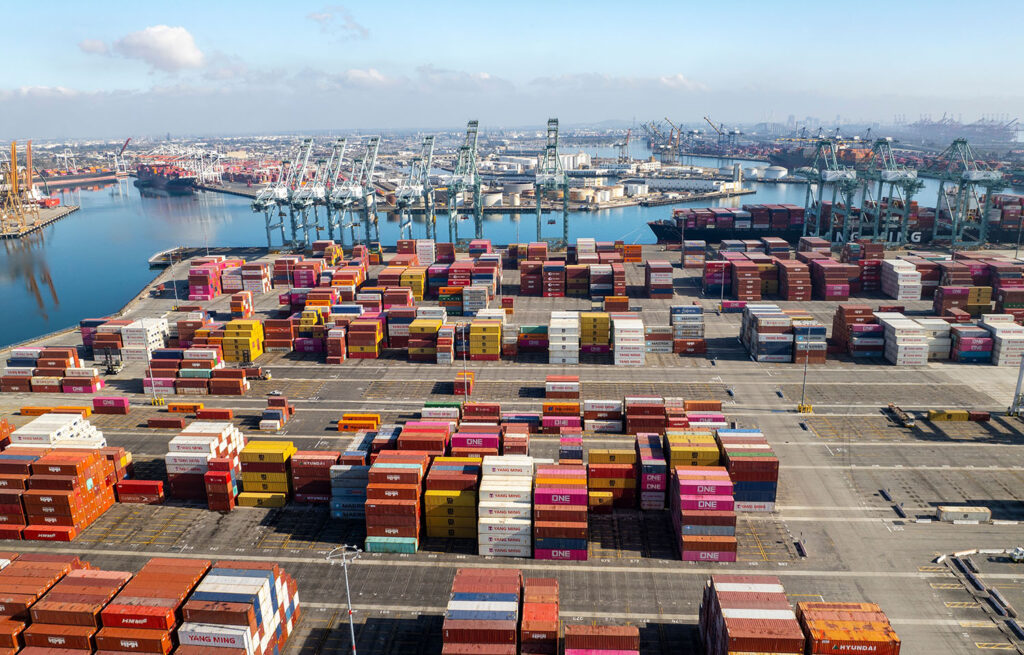
Most importers shipping full-container loads to Ireland rely on ocean routes via major Chinese ports such as Shanghai, Ningbo, Shenzhen, and Qingdao. FCL transit time for China → Ireland averages 30–42 days, depending on your sailing schedule, vessel route, inland drayage, and port congestion.
Common average durations include:
- South China → Dublin: 32–38 days
- East China → Dublin: 34–42 days
- North China → Dublin: 35–45 days
Because Ireland does not support rail freight from China, the only transport options are sea and air, making scheduling more predictable but requiring strong lead-time planning.
2. How Long Does Door-to-Port and Door-to-Door Transit Usually Take?
Many shippers do not consider the inland pickup, export documentation, or destination drayage time. However, these steps can add extra days.
Typical full-route timelines:
Door-to-Door Timeline
- China factory pickup: 1–3 days
- Export customs & container loading: 1–2 days
- Sea transit to Ireland: 30–42 days
- Irish customs clearance: 1–3 days
- Final delivery to warehouse: 1–2 days
➡ Total Door-to-Door: 33–50 days
Door-to-Port Timeline
➡ 31–44 days depending on origin city and shipping line.
Because of Ireland’s smaller port capacity compared to the UK or Netherlands, occasional berthing delays may occur. However, efficient planning minimizes risk.
3. Which Factors Affect the Transit Time from China to Ireland the Most?
Several logistical variables can influence sailing duration. Moreover, understanding them allows importers to make informed decisions.
Key factors:
- Origin port proximity (e.g., Shenzhen faster than Tianjin)
- Carrier routing (direct vs. transshipment at Rotterdam or Antwerp)
- Peak-season congestion (especially Q4)
- Customs inspection probability
- Weather patterns in the North Atlantic
- Vessel capacity issues
- Early-cutoff schedules at Chinese ports
Therefore, planning booking windows at least two weeks in advance is strongly recommended.
4. What Shipping Routes Are Commonly Used for FCL Shipments to Ireland?
Ireland is typically served via feeder vessels, not direct China–Ireland mainline services. Containers usually transship in:
- Rotterdam
- Antwerp
- Liverpool
- Bremerhaven
After arriving at the European hub port, containers switch to a feeder service toward Dublin, Cork, or Waterford.
Common routing example:
Shenzhen → Singapore → Rotterdam → Dublin
Although this adds a transshipment step, the routing ensures reliable weekly departures.
5. How Do Sea and Air Transit Times Compare for China → Ireland?
Since rail freight is not available for this lane, importers often compare FCL with air freight depending on urgency, cost, and volume.
Table 1: Shipping Method Comparison (Sea vs. Air)
| Shipping Method | Transit Time | Cost Level | Best for |
|---|---|---|---|
| FCL Sea Freight | 30–42 days | Low | Large volumes, stable inventory |
| Air Freight | 3–7 days | High | Urgent shipments, high-value goods |
Although air freight is significantly faster, FCL remains the most cost-efficient for tools, furniture, electronics, machinery, textiles, and general cargo.
What are you waiting for?
Contact chinatopfreight for a fast, free quote.
Are you ready to book?
Access live instant freight quotes
6. What Are the Transit Times from Different Chinese Ports to Ireland?
Transit duration varies by origin port location. Additionally, feeder availability affects timing.
Table 2: Transit Time by Origin Port (Sea Freight)
| Origin Port | Transit Time to Dublin | Notes |
|---|---|---|
| Shanghai | 34–40 days | Frequent weekly sailings |
| Shenzhen / Yantian | 32–38 days | Faster feeder connection |
| Ningbo | 35–42 days | Transshipment-dependent |
| Qingdao | 36–45 days | Longer due to routing |
| Xiamen | 34–41 days | Seasonal variations |
Times shown reflect typical pre-clearance, not including inland trucking or customs inspection.
7. What Documents Are Required to Avoid Delays in Transit to Ireland?
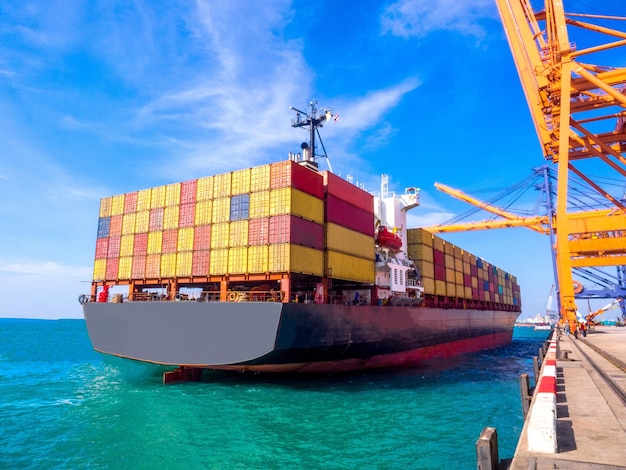
Because documentation errors often cause customs delays, importers must ensure accuracy. Moreover, every mistake can increase storage or demurrage costs.
Table 3: Core Customs Documents Checklist
| Document | Required For | Why It Matters |
|---|---|---|
| Commercial Invoice | Duty valuation | Ensures compliant tax calculation |
| Packing List | Verification | Confirms item details |
| Bill of Lading | Shipment release | Required for container pickup |
| HS Codes | Customs classification | Determines duty rate |
| Certificate of Origin | Preferential tariffs | May reduce tax |
Preparing these documents early ensures predictable clearance upon arrival.
8. Why Do Ireland-Bound Shipments Often Use Transshipment Routes?
Ireland’s ports are smaller than Rotterdam or Antwerp and therefore do not receive the world’s largest container ships. As a result:
- Feeder vessels deliver from hub ports
- Transit may include additional handling
- Weekly sailing frequency varies by shipping line
Nevertheless, transshipment adds flexibility and ensures consistent capacity.
9. Can Importers Reduce Transit Time Through Better Scheduling?
Yes. Several optimization strategies help shorten the overall supply chain timeline.
Recommended methods:
- Book space two weeks ahead during normal season
- Book 4–6 weeks ahead during peak seasons
- Avoid near-cutoff loading to prevent rollover
- Choose carriers with faster feeder frequency
- Use FOB terms to control carrier selection
- Pre-clear customs documentation
Additionally, building buffer time into your supply chain reduces disruption risks.
10. Does Choosing Different Incoterms Affect Transit Time?
While the physical sailing time is fixed, Incoterms affect how quickly your shipment leaves China and how fast it clears in Ireland.
Impact summary:
- FOB allows you to manage carriers directly
- EXW requires additional pickup days
- CIF / CFR depend on the seller’s speed in arranging shipment
- DAP / DDP shift responsibility to the freight forwarder
Therefore, FOB is ideal for importers seeking maximum control of transit time.
Conclusion
Understanding the transit time for FCL shipping from China to Ireland allows importers to plan inventory, manage budgets, and avoid costly disruptions. Although sailing times average 30–42 days, factors such as routing, weather, customs, and seasonality can influence lead times. By choosing efficient carriers, preparing documentation correctly, and scheduling early, businesses can maintain a reliable and predictable supply chain. With the right logistics partner, FCL shipping becomes a stable, cost-effective pathway for long-term procurement success.
FAQ
1. How early should I book FCL shipping from China to Ireland?
You should book at least two weeks in advance during normal seasons and four to six weeks in peak season to secure space and avoid container rollover delays.
2. Which Irish port is best for FCL imports from China?
Dublin is the primary choice due to its frequency of feeder arrivals, efficient customs processes, and direct connectivity to Ireland’s major distribution centers and warehouses.
3. Can FCL transit time be shortened with premium services?
Yes, certain carriers offer faster transshipment combinations, though these are limited. Optimizing departure port and avoiding congestion-prone routes also reduces delay risks.
4. Do customs inspections significantly delay Ireland shipments?
Inspections can add one to three days depending on complexity. Accurate documentation, correct HS codes, and pre-declaration reduce the likelihood of extended clearance delays.
5. Is air freight worth considering instead of FCL for Ireland?
Air freight is ideal for urgent or high-value goods, offering three-to-seven-day transit. However, it costs significantly more than FCL and suits smaller, time-critical shipments.