

- By kelly
- December 5, 2025
- Logistics Guide
Reefer FCL Shipping Cost for Textiles from China to Seattle (Full Expert Guide)
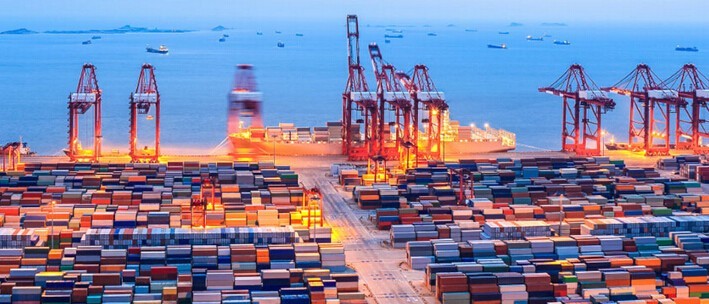
Importers increasingly rely on refrigerated containers to protect temperature-sensitive fabrics, so understanding the Reefer FCL shipping cost for textiles from China to Seattle is essential. Because textiles are vulnerable to moisture, mold, and humidity, importers must evaluate cost, transit time, and handling procedures to avoid supply-chain disruptions. This guide explains everything you need to calculate accurate pricing, prevent delays, and manage your textile logistics with confidence.
1. What Is the Reefer FCL Shipping Cost for Textiles from China to Seattle?
The Reefer FCL shipping cost for textiles from China to Seattle generally ranges from $4,200 to $7,800 per 40RH (40’ Reefer High Cube) depending on season, temperature requirements, carrier space, and loading port. Moreover, reefer containers require more electricity, special handling, and priority loading, which increases cost compared to standard FCL.
Table 1: Typical Reefer FCL Cost Range
| Cost Type | 20RH | 40RH | Notes |
|---|---|---|---|
| Base Ocean Freight | $3,200–$5,200 | $4,200–$7,800 | Fluctuates by season |
| Reefer Surcharge | $180–$350 | $260–$480 | Energy & monitoring fees |
| Terminal Handling | $150–$280 | $200–$350 | Origin + destination |
| Customs-Related Fees | $80–$160 | $80–$160 | ISF + clearance |
| Destination Charges | $300–$600 | $350–$700 | Port + delivery |
Reefer freight is influenced by global capacity shortages, energy costs, and peak textile export demand.
2. Why Do Textiles Require Reefer FCL Shipping?
Although textiles are not perishable like food, high-value fabrics can be damaged by humidity and temperature swings. Therefore, more importers now use reefer containers to maintain controlled humidity (below 65%) and stable airflow.
Common textile types benefiting from reefer transport:
- Silk and luxury fabrics
- Organic cotton
- Dyed fabrics (moisture-sensitive)
- Textile accessories prone to mildew
- Bulk fabric rolls requiring dry, stable conditions
Additionally, reefer containers reduce risks of mold during the rainy season or long port dwell times.
3. How Do Shipping Routes Affect Reefer FCL Cost to Seattle?
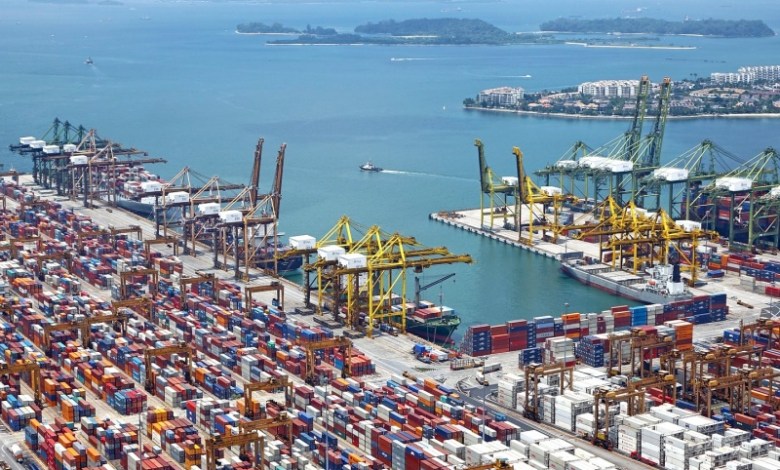
Shipping routes significantly influence both price and transit time. Textiles typically ship from East and South China ports to Seattle via trans-Pacific lanes. However, market volatility can create cost changes week to week.
Table 2: China–Seattle Reefer Transit Time Overview
| Origin Port | Transit Time | Notes |
|---|---|---|
| Shanghai → Seattle | 11–14 days | Fastest and most stable |
| Ningbo → Seattle | 12–16 days | Strong reefer loading capacity |
| Shenzhen → Seattle | 15–19 days | Slightly longer via South China Sea |
| Qingdao → Seattle | 13–17 days | Potential weather delays |
Furthermore, textile importers should track vessel reliability, as schedule delays directly increase storage and trucking expenses.
4. What Factors Influence the Reefer FCL Shipping Cost for Textiles?
Because reefer freight is energy-dependent and container availability varies dramatically, pricing changes frequently. Key cost drivers include:
- Seasonal demand: Peak textile demand before U.S. retail seasons increases freight rates
- Port congestion: Adds monitoring and plug-in charges
- Temperature settings: Lower temperatures require more power
- Container shortages: Reefer units are limited compared to dry FCL
- Fuel prices: Energy and bunker rates drive cost volatility
- Customs exams: Additional fees for X-ray or CET inspections
Therefore, accurate forecasting requires weekly rate review, especially during Q2–Q4 peak export cycles.
5. What Documents Are Required for Textile Reefer Shipments?
Accurate paperwork helps avoid delays, inland storage charges, and customs penalties.
Table 3: Customs & Documentation Checklist
| Document | Required? | Purpose |
|---|---|---|
| Commercial Invoice | Yes | Identifies textile types and value |
| Packing List | Yes | Specifies fabric rolls/boxes and dimensions |
| Bill of Lading | Yes | Required for release |
| Certificate of Origin | Usually | Needed for duty exemptions |
| Importer Security Filing (ISF) | Yes | Must be submitted before loading |
| Textile Compliance Documents | Case-by-case | Based on fiber classification |
| Temperature Program Sheet | Yes | States humidity/temperature settings |
Moreover, incomplete documents may cause customs holds, which increase reefer plug-in fees at U.S. ports.
6. How Do Reefer FCL Costs Compare with Other Shipping Methods?
Textile importers often consider air freight to avoid long lead times. However, air shipping is significantly more expensive.
Table 4: Shipping Method Comparison for Textiles
| Method | Transit Time | Cost Level | Pros | Cons |
|---|---|---|---|---|
| Reefer FCL | 11–19 days | Medium | Best humidity control; cost-effective | Limited reefer availability |
| Standard FCL | 11–19 days | Low | Cheapest | High risk of moisture damage |
| Air Freight | 1–3 days | Very High | Fast | Not cost-effective for bulk textiles |
| Rail Freight to Europe + Forwarding | 20–35 days | Medium | Good reliability | Complex routing to U.S. |
Therefore, Reefer FCL is the best balance of cost, protection, and capacity.
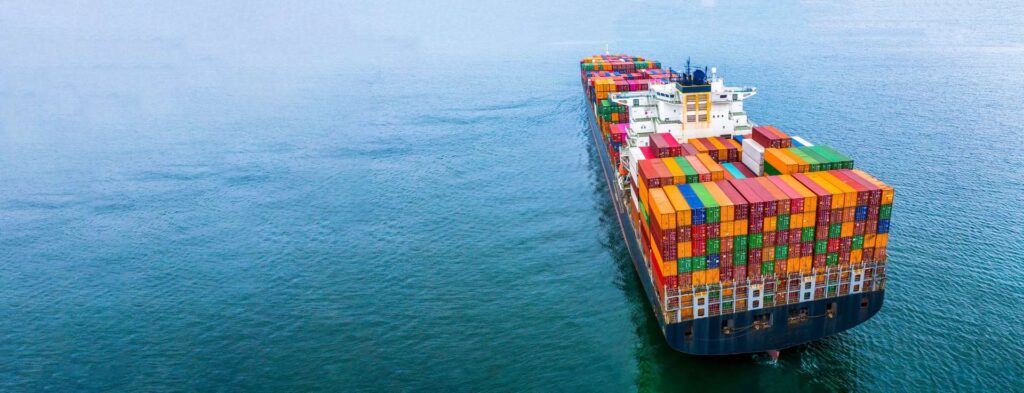
7. How Can Importers Reduce Reefer FCL Shipping Cost?
Although reefer freight is inherently more expensive than dry FCL, importers can optimize cost through:
- Booking 2–4 weeks in advance during peak season
- Shipping during low-demand months (Feb–April, Sept–Oct)
- Consolidating humidity-sensitive fabrics into full loads
- Avoiding unnecessary temperature settings (use controlled humidity instead of refrigeration)
- Working with forwarders who negotiate reefer allocations
Additionally, improved packaging—such as vacuum-sealed rolls—reduces moisture risk and lowers insurance premiums.
8. What Risks Affect Textile Reefer Shipments from China to Seattle?
Although reefer containers protect cargo, certain risks remain:
- Temperature or humidity setting malfunction
- Delayed vessel departure due to reefer power shortages
- Port congestion causing plug-in fees
- Customs examinations extending dwell time
- Weather-related delays in the Pacific
Therefore, digital monitoring and real-time tracking improve risk management.
9. Should Textile Importers Use Cargo Insurance for Reefer FCL?
Absolutely. Because textiles are susceptible to mildew, discoloration, and odor contamination, insurance protects against:
- Temperature-control failure
- Machinery breakdown of refrigeration units
- Delays causing moisture exposure
- Damage during loading/unloading
- Water ingress from storms
Full-value cargo insurance typically costs 0.3–0.8% of shipment value.
10. How Do Supply-Chain Delays Impact the Final Shipping Cost?
Even minor delays can push reefer costs upward because:
- Longer dwell time increases plug-in fees
- Missed connections require rebooking
- Customs exams create additional handling charges
- Delivery appointments may need rescheduling
Moreover, unpredictable congestion in Seattle remains one of the biggest contributors to extra reefer expenses.
📦Get a Free Quote
If you want accurate calculations of the Reefer FCL shipping cost for textiles from China to Seattle, our logistics team can provide updated rates, optimized routes, and expert handling strategies. Contact us today for a customized quote and reliable reefer-container booking.
❓ Frequently Asked Questions
1. How much does Reefer FCL shipping for textiles cost from China to Seattle?
Reefer FCL shipments typically cost $4,200–$7,800 per 40RH, depending on season, temperature settings, and container availability. Additional surcharges may apply during peak textile shipping months.
2. Why use a reefer container for textile shipping?
Reefer units prevent moisture damage, mold, and humidity fluctuations. They provide controlled airflow and stable conditions, protecting sensitive fabrics during long ocean voyages.
3. What temperature settings are ideal for textile shipments?
Most textiles require humidity below 65% and ambient temperature control rather than refrigeration. Settings vary by fiber type and packaging method used by the exporter.
4. How long is the transit time from China to Seattle?
Transit time normally ranges 11–19 days, depending on the port of origin and vessel routing. Weather and port congestion may affect schedules.
5. Do reefer containers require special documentation?
Yes. Shippers must include a temperature program, packing list, invoice, ISF filing, and any textile compliance certificates to avoid delays.
Conclusion
Understanding the Reefer FCL shipping cost for textiles from China to Seattle is essential for maintaining competitive pricing, protecting fabrics, and planning supply-chain operations effectively. Although costs vary by season, route, and temperature requirements, importers can reduce expenses by optimizing booking windows, consolidating loads, and utilizing proper documentation. Reefer FCL remains the most reliable and cost-effective method for transporting moisture-sensitive textiles across the Pacific. For precise rate updates and expert reefer logistics support, partnering with a specialized freight forwarder ensures smoother operations and predictable delivery schedules.